





It seems like most household items these days should come with a health warning. Nonstick cookware? Beware of heavy metals. Plastic food containers? They’re leaching harmful chemicals into your leftovers. Candles? Hello, irritating fumes.
But stressing and obsessing over every product you buy isn’t healthy either. Fortunately, you don’t have to live in a bubble—or even a candle-free, cookware-less home—to live a healthy life.
“This is about reducing burden, not eliminating risk: Even small changes add up significantly,” says Dr. Kat Bodden, a naturopathic doctor in Portland, Oregon. “You don’t need to achieve a completely toxin-free home to see health benefits.”
A low-tox life is about limiting exposure to synthetic chemicals and potentially harmful compounds. Doing so can help people with allergies or chronic illnesses manage their symptoms in the short term while also preserving their long-term health, Dr. Bodden explains.
Dr. Bodden said she’s seen patients who make these changes improve their skin, digestion, sleep quality, hormones, energy, and immune function. The changes aren’t dramatic or immediate, she says, but they are meaningful.
Swapping out higher-tox products with low-tox alternatives is important for preventing future disease, says Sara Parsons, a certified functional nutrition counselor and environmental toxins educator.
Read more: 6 Non-Toxic Interior Paint Brands We Trust
Though Parsons says these longer-term benefits are harder to measure in her patients, there are studies showing the link between some of these harmful compounds and chronic illness. For instance, a 2023 study from Mount Sinai showed that exposure to chemicals commonly found in drinking water and everyday household products may reduce fertility in women by as much as 40%.
“When patients reduce their total toxic burden while supporting their body’s natural detoxification processes through good nutrition, adequate sleep, and stress management, they often report feeling “lighter,” having more resilience, and just feeling better overall,” she explains. “These cumulative improvements in well-being are just as important as specific symptom resolution.”
Read on to learn more about what to look for when choosing household products and tips for where to start making swaps.
Ingredients to Avoid
The list of household items to limit can feel endless and overwhelming, but both Parsons and Bodden note that there are several main chemicals and compounds to avoid.
Endocrine-disrupting chemicals are among the most concerning. These include phthalates, BPA, PFAS (often referred to as “forever chemicals”), parabens and certain pesticides. Endocrine disrupters interfere with the body’s hormones and can cause neurological symptoms, impact fertility and can suppress or overactivate the immune system. Phthalates can be found in nail polish, fragrance, and paint. Phthalates and BPA can often be found in kitchen plastics. Parabens are often found in personal care products like shampoo, whereas PFAS can be found in any number of places, including cosmetics, nonstick cookware and cleaning products.
Bodden adds that consumers should also look out for volatile organic compounds, or VOCs, which can cause symptoms like headaches and dizziness in the short term and damage the kidneys, liver and nervous system over time. People should also avoid triclosan and formaldehyde, Bodden says. Often found in soaps and toothpaste, triclosan can disrupt thyroid function. Formaldehyde is a known carcinogen.
Bodden also warns against falling for common greenwashing language like “non-toxic” or “natural” when swapping out your household items. These vague terms are not backed by legal standards and may overstate a product’s benefits. Instead, look for specific language, like “fragrance-free,” or products with simple ingredient lists as well as certifications like EWG Verified, which means that it meets the Environmental Working Group’s standards for health and environmental concerns.

Read more: 7 Easy Ways to Create a Non-Toxic Kitchen
Making Swaps Without the Overwhelm
Now that you have a handle on which chemicals and compounds to avoid, it’s time start swapping out your everyday items for lower-tox alternatives. If you’re still feeling overwhelmed, take a deep breath: Both Parsons and Bodden stress that it’s less about being perfect and more about making gradual, meaningful changes.
“Perfection doesn’t exist in this space, so give yourself grace,” Parsons says. “Make a list of things you’d like to swap that will reduce your daily exposures and then do it over time, as budget and bandwidth allow.”
Bodden suggests beginning with swaps that are completely free, like removing your shoes when you enter your home to avoid tracking outdoor pollutants through your living space and opening a window for 10 to 15 minutes a day (indoor air is often two to five times more polluted than outdoor air, she says).
Here are a few other tips for avoiding overwhelm:
Focus on one room at a time. This can make the process of choosing low-tox products feel more manageable. Bodden suggests starting with the bedroom. “This is where your body does its deepest repair and detoxification work,” she says. Parsons adds that people spend about 30% of their life in their bedroom.
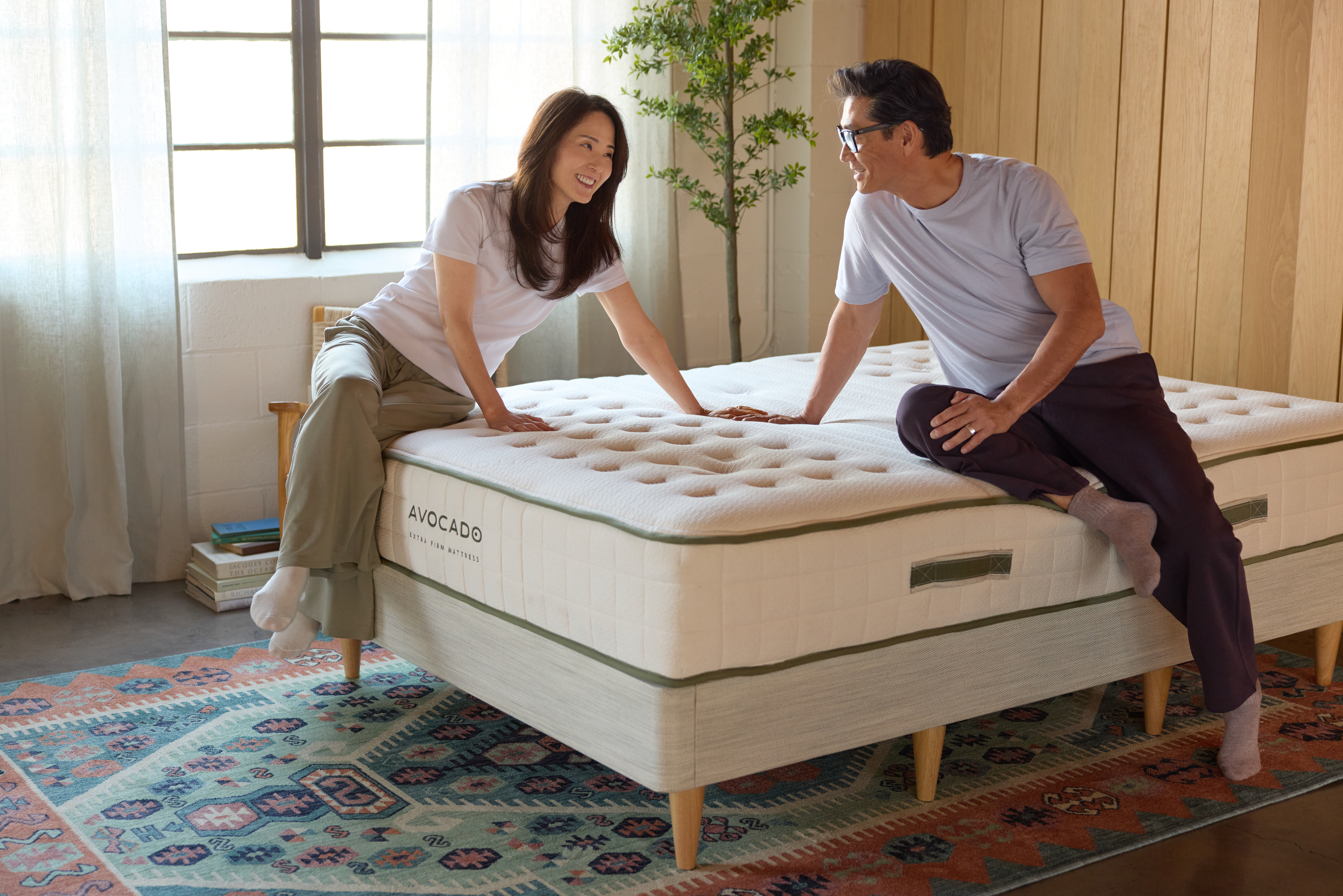
When choosing a mattress, Parsons suggests prioritizing ones that are made with certified organic materials or natural materials like cotton, wool or natural latex. Look for certifications like GOTS, GOLS, MadeSafe, Eco-Institute, OEKO-TEX, and GREENGUARD Gold. These mean the material has met certain requirements for health, safety, or environmental standards.
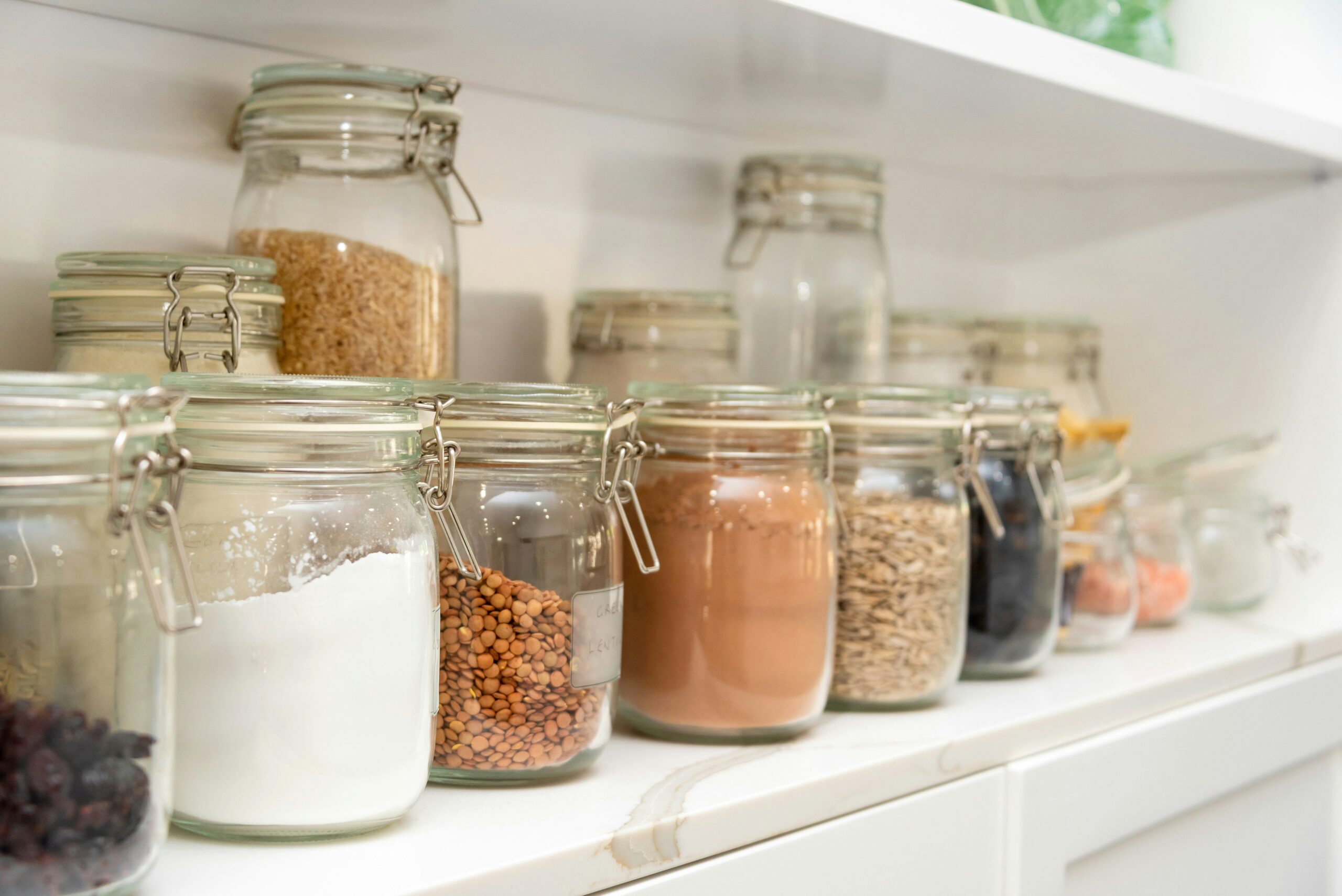
Start with a category. Another way to begin detoxifying your home is to focus on a single group of products. You could start with kitchen swaps, replacing your plastic food containers with glass versions and investing in non-toxic cookware. Or focus on personal care items, like your shampoo, hand soaps, and deodorant. Tackling one category at a time as your budget allows is a great way to begin making changes without becoming stressed.
Replace items as you run out. Does tackling an entire room or category of products still feel like too much? Wait until you run out of an item to replace it with a low-tox alternative. Bodden recommends using resources like the Environmental Working Group (EWG), which scores products based on how hazardous they are to health, to research replacements.
Educate yourself gradually. “Don’t try to learn everything at once,” Bodden says. She suggests picking one ingredient to research each week or month. “Over time, you’ll build knowledge without information overload.”
You can also lean on technology to help you make better buying decisions. Parsons likes Clearya, a mobile app and browser extension that scans products for potentially harmful ingredients.
“It’s not about finding a perfect [product],” she says. “It’s about finding a better one than what you’re using now.”
Read more: Toxic Productivity: What It Is and How to Stop
Have feedback on our story? Email [email protected] to let us know what you think!

Shop Pillows
The Essential Organic Pillow Collection
Gentle, breathable, non-toxic support.