



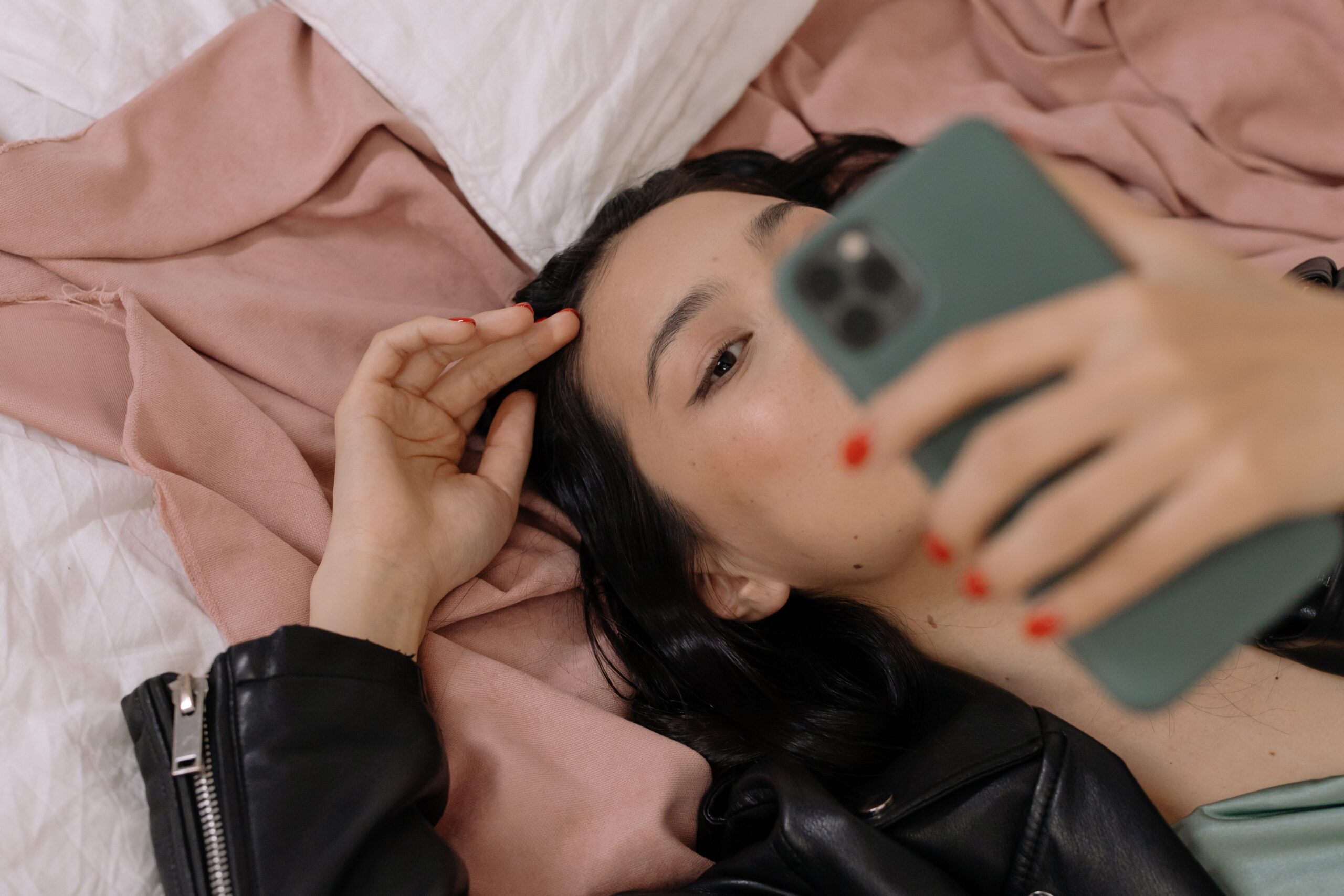

When it comes to subpar sleep, most sources would agree that screens before bed is one of the worst offenders. But for me, the evening hours are when I play catch-up with my inbox, writing deadlines, and shows—time I’d otherwise spend caught up in mind chatter. Being on my phone in bed gives me just enough distraction to help me drift off to dreamland.
According to Dr. Michael Gradisar, the head of sleep science at Sleep Cycle, I’m not in the wrong. The study he published last year in Sleep Medicine Reviews showed that the blue light from everyday screens simply isn’t bright enough to significantly impact your shuteye. So, is scrolling after hours not to blame for our sleep woes after all, and how can we use screen time pre-snooze to actually help us fall asleep? Ahead, Dr. Gradisar breaks it down.
Does Blue Light Really Mess with Your Sleep?
We’ve long been told to avoid screens before bed because the blue light they emit is thought to suppress melatonin, the hormone that signals to our bodies that it’s time to sleep. But Dr. Gradisar points out that this notion comes from a single study where participants were exposed to unusually high levels of blue light. And if we’re talking about its effects on circadian rhythm, not all blue light is created equal. “Even the brightest phones or tablets don’t exceed about 80 lux, whereas it takes closer to 500 lux of bright light to meaningfully shift the body’s clock,” he says. The real culprit, Dr. Gradisar adds, is how we use our devices at night.
What’s Actually Behind Our Sleep Struggles?
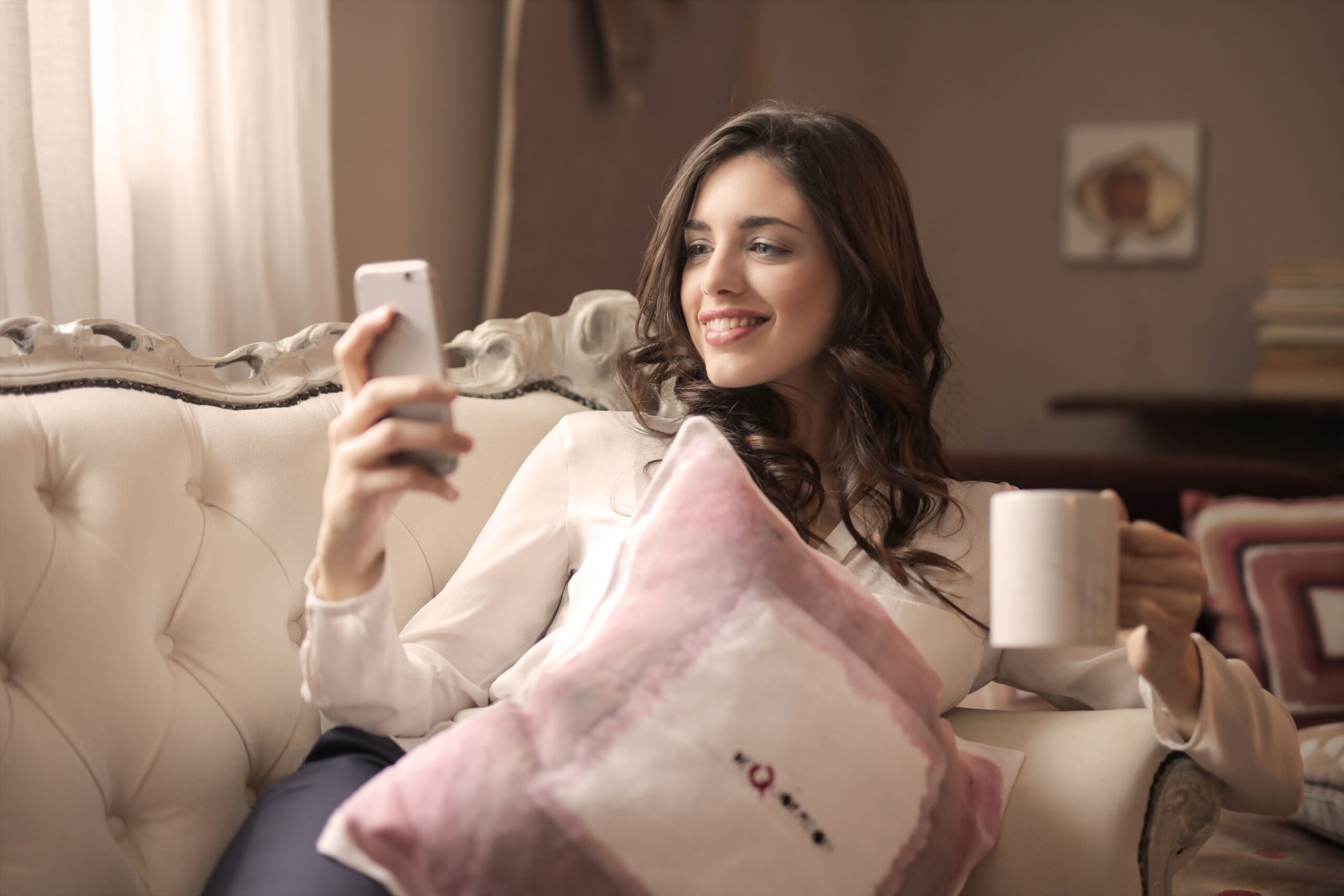
Crawling into bed with your phone might not be the worst thing you can do for your slumber, after all. What really makes or breaks how well we sleep is something less obvious: our habits and the inability to quiet our racing minds. “The bigger risk [to poor sleep] isn’t the light itself—it’s staying up beyond your bedtime because you’ve lost track of time while scrolling, or your sleep has been interrupted during the night by a notification,” Dr. Gradisar says. “These have at least a 10-fold bigger influence on your sleep than screen light.” Then, there’s what Dr. Gradisar calls cognitive arousal: worry, stress, or mental overactivity that sets in once your head hits the pillow. “In adults, stress and lifestyle factors, such as financial concerns, caregiving duties, and health conditions often dominate. So the problem is rarely the device in your hand, and more often what’s happening in your head or body.”
Read more: Pillow Talk: The Link Between Sleep, Stress & Academic Performance
How Some Evening Screen Time Might Improve Your Sleep
“For many people, ‘passive’ technological activities, like watching TV or listening to a podcast, act as a mental ‘off switch,’” Dr. Gradisar says. “It distracts from racing thoughts, reduces overthinking, and helps with relaxation.” This is not to say go ahead and binge-watch the night away. But if falling asleep to Gilmore Girls (my personal go-to) is your lullaby of choice, you’re in good company: Dr. Gradisar cites research indicating that many people tend to drift off easily in front of the TV in particular. “The key is that this type of screen use helps calm and possibly distract the mind rather than cause alertness,” he explains. “It’s important, though, to stick to a regular bedtime so TV watching doesn’t intrude upon your sleep opportunity.”
Tips for Using Screen Time Close to Bedtime
If rewatching a nostalgic series, tackling your Kindle TBR, or perusing your FYP is part of your wind-down routine, by all means, knock yourself out (ideally, literally). But there are sleep rules that still apply, Dr. Gradisar suggests:
- Mind the clock, not the light. The issue isn’t the light coming from your device, but pushing your bedtime later and staying up too late. Regulate yourself by being more aware of the time, setting a sleep timer, and/or being accountable with your partner.
- Choose passive over interactive entertainment. Rather than engaging in a highly-stimulating show or game, stressful content, such as emails or the news, or doomscrolling, play a mellow TV show, cue a sleep story podcast, or explore a feel-good subreddit. Bottom line: Stick with calming, familiar material or even some escapism.
- Lower brightness. Bright light of any color will increase alertness, so dim lights
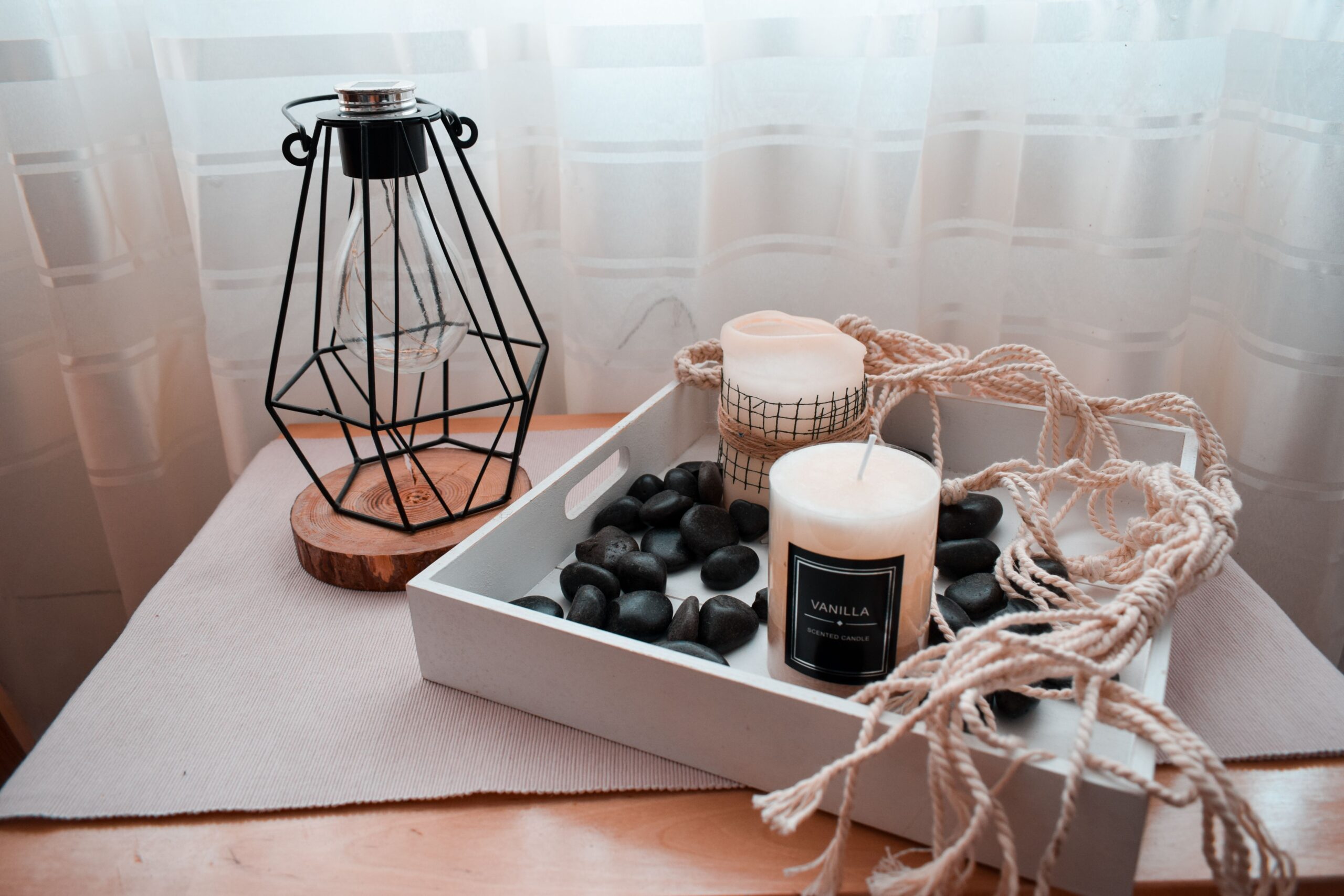
in your sleep environment in the lead-up to bedtime. Keep it as dark as possible, but if you need some light, choose warm ambient lighting using amber-tinted bulbs, candles, or a Himalayan salt lamp. And if it’s your phone that you’re on, activate its “night mode” so your screen gives off a more calming yellow/orange hue.
- Habit stack your screen time with a relaxing routine. Make your screen activity even more sleep-friendly by pairing it alongside a soothing cup of tea, meditation (there are countless apps for that), or stretching.
Read more: Why Sleep Experts Recommend the 10-3-2-1-0 Rule for a Good Night’s Rest
Further Hacks to Better Your Sleep
For those looking for additional ways to wind down or improve their sleep, here are a few evidence-based techniques Dr. Gradisar recommends:
- Do a body scan meditation before bed. This mindfulness practice, where you bring awareness to different parts of your body—from head to toe—while noticing any sensations or tension, helps calm the nervous system and shift focus away from worries. In one of Dr. Gradisar’s studies, subjects who did a 15-minute body scan nightly for a week halved the time it took them to fall asleep.
- Use the 30-60 second cool-down trick. If you tend to run hot or wake up feeling overheated, try uncovering yourself for 30-60 seconds to let some trapped body heat escape, then tuck back in. This can help the body reset its core temperature to the optimal level needed to drift back to sleep.
- Try the Scandinavian sleep method. A less extreme alternative to a sleep divorce, the Scandinavian sleep method offers a practical solution to the common issue of disturbed sleep caused by your bed partner. The arrangement calls for each person using their own duvet instead of sharing one, which can help mitigate problems related to temperature differences and your partner’s nighttime movements.
Read more: Sleep Is a Social Behavior
Have feedback on our story? Email [email protected] to let us know what you think!
Shop Pillows
The Essential Organic Pillow Collection
Gentle, breathable, non-toxic support.