



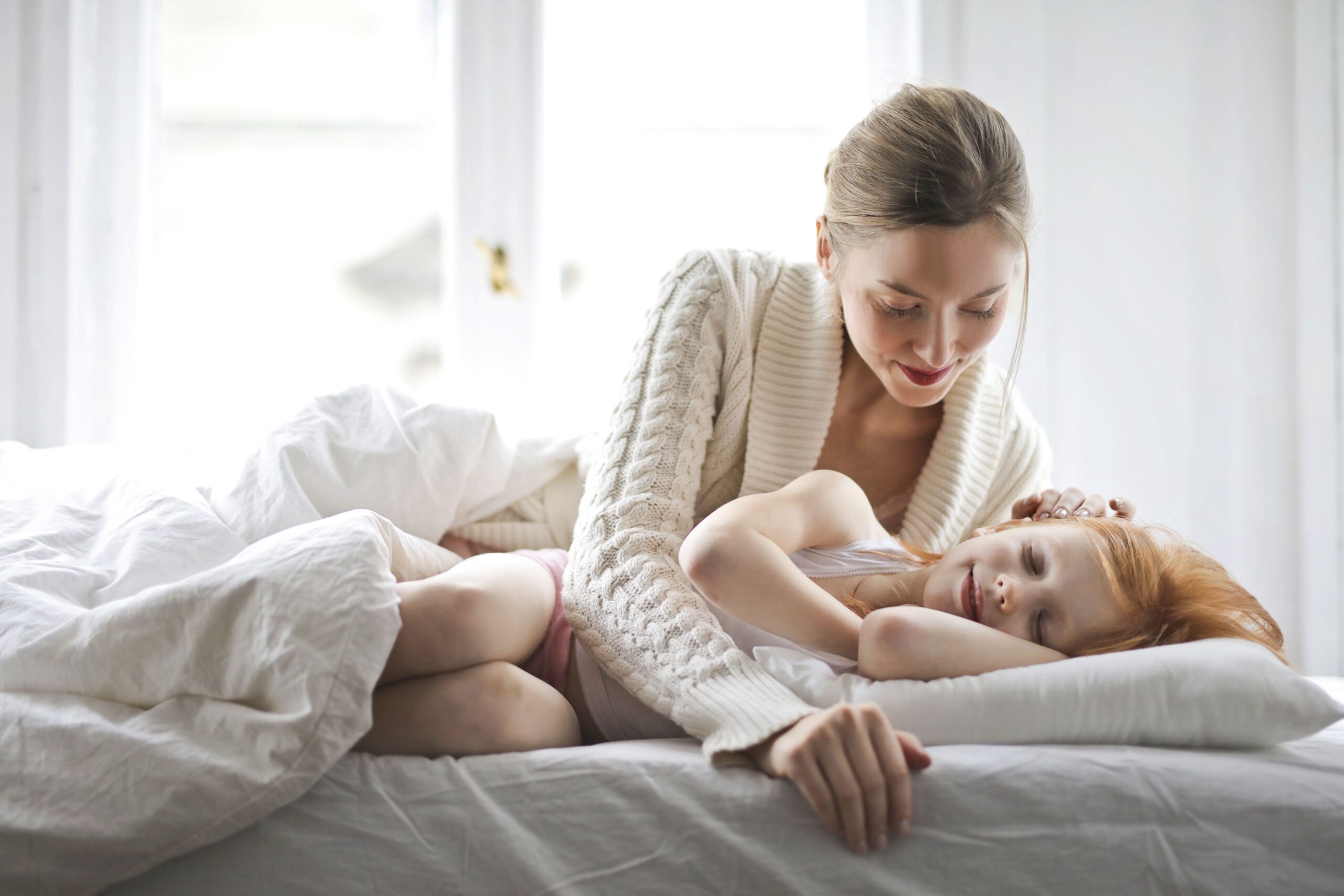


As someone who has had some form of a pet my entire life, I’ve rarely ever slept alone. Sleep and cuddle time ran in parallel. Because it’s been such a constant, I hadn’t really considered how much it might be shaping my sleep. This was until I started paying attention to the nights when that presence wasn’t there.
The difference is subtle, but noticeable. The room feels quieter. The bed feels bigger. Falling asleep takes a little longer, even in a space that’s otherwise designed for comfort.
It’s easy to think of sleep as something deeply personal, which, in a lot of ways, it is. It’s something that usually takes place in the privacy of our own homes, in our own bodies. But in reality, sleep has always been shaped by who (and what) is around us.
From partners to pets to the ambient presence of other people in our homes, human sleep is a lot more social than we might realize.
Why We Don’t Sleep Alone, Even When We Think We Do
Before modern housing and cultural norms around privacy, shared sleeping spaces were the norm. Families slept in the same rooms, and communities stayed in close proximity.
Now, we tend to idealize “perfect” sleep: alone, uninterrupted, and in the quietest space possible.
But this is a relatively recent concept. And biologically, we may not have fully adapted to it.
Research suggests that sleep is closely tied to social connection. The way we sleep (and how well we sleep) can be influenced by the presence of others, both physically and psychologically.
In some cases, simply knowing someone else is nearby can affect how safe or relaxed the body feels. That sense of safety plays a role in how easily we fall asleep and how deeply we rest.
This complicates the idea that the “best” sleep environment is always the most independent one.
Read more: Why Sleep May Be the Most Powerful Health Habit
The Science of Co-Regulation
At the center of this is a concept called co-regulation.
Co-regulation refers to the way our nervous systems respond to and synchronize with others. It’s something we experience from infancy, when caregivers help regulate a baby’s breathing, heart rate, and emotional state. But it doesn’t disappear in adulthood; it just gets quieter.
Studies have shown that people who sleep together, particularly partners, can experience synchronized sleep patterns, including aligned sleep stages and even heart rate rhythms.
This doesn’t mean co-sleeping is always perfect. Anyone who has shared a bed with a restless sleeper (or a pet who believes 3 a.m. is playtime or the perfect moment for a second dinner) knows it can bring its own set of disruptions.
But it does suggest that the presence of another living thing can influence how the body settles into rest—and in some cases, make it easier, especially in a space that supports softness and ease of movement.
In some cases, that influence can be calming.
Sleep and Emotional Safety
Sleep requires a certain level of vulnerability.
When we fall asleep, our awareness of the environment decreases. Muscles relax. Defenses lower. From a biological perspective, it’s a state that depends on a baseline sense of safety.
This is where social context comes in.
Research has found that loneliness and social isolation are linked to poorer sleep quality, including more fragmented sleep and increased nighttime waking. People who feel socially connected, on the other hand, tend to report more restorative sleep.
It’s not just about physical presence; it’s about perceived safety.
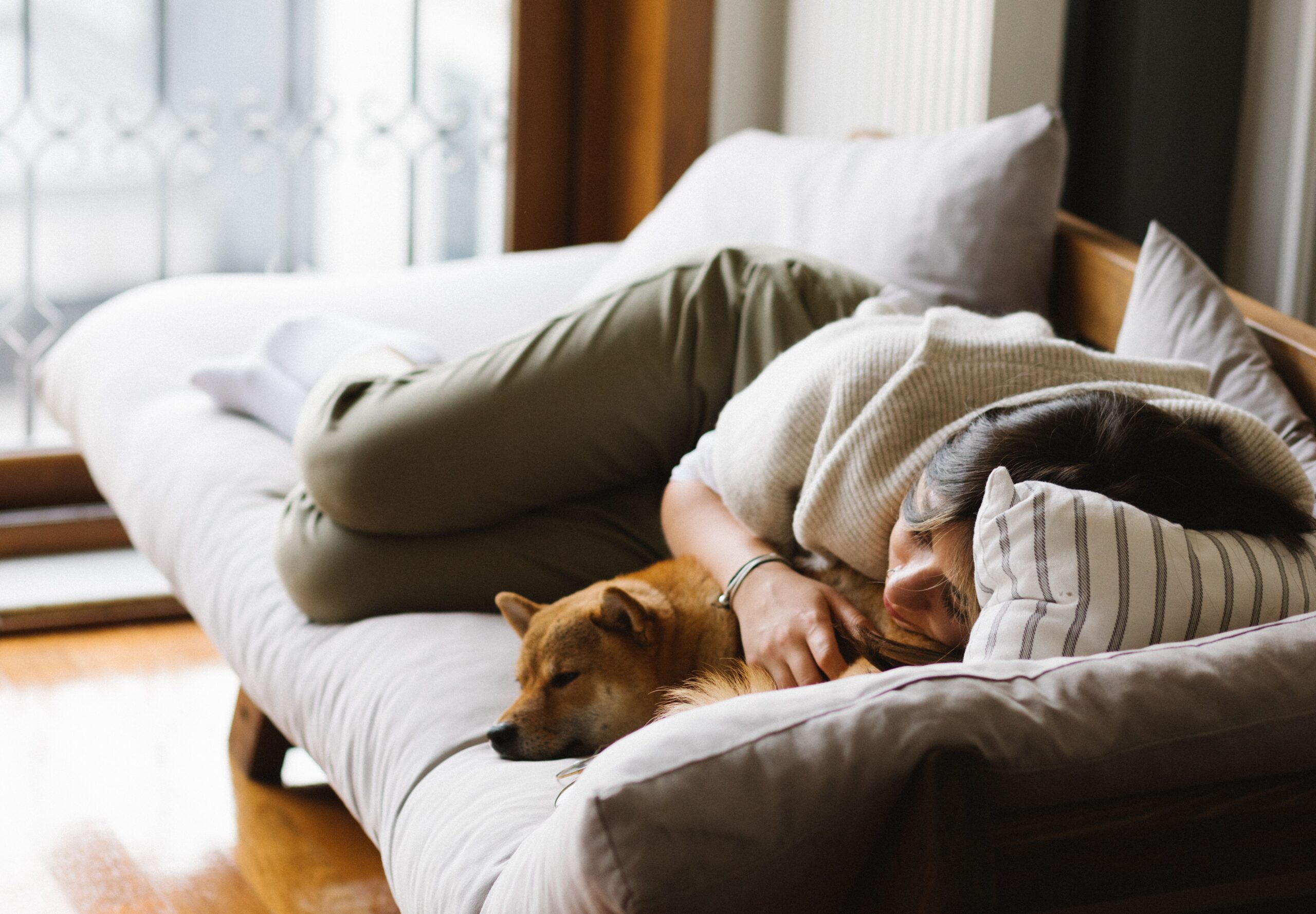
The body doesn’t necessarily distinguish between “alone” and “safe.” It responds to cues: familiar sounds, shared space, even something as simple as the rhythmic breathing of another person or the weight of a pet at the foot of the bed. All of these can signal that it’s okay to relax, especially when the sleep environment itself feels soft, breathable, and grounding.
This may explain why sleeping alone can sometimes make you feel more alert, even in a perfectly quiet room.
Read more: The Psychology of Comfort: What Makes us Really Feel at Home
When Sleep and Social Life Go Both Ways
The relationship between sleep and social connection isn’t one-directional.
It’s a loop.
Poor sleep doesn’t just make us tired; it can also affect how we show up socially. Studies have shown that sleep-deprived individuals are more likely to feel socially withdrawn and less interested in interacting with others.
In one study published in PNAS, sleep deprivation was found to increase feelings of social isolation, even in otherwise healthy individuals.
Which means sleep isn’t just an individual health behavior, it’s part of a larger social system. The way we rest affects how we connect, and how we connect affects how we rest.
The Myth of Perfect Sleep Conditions
Modern sleep advice often leans toward control.
A perfectly dark room. Total silence. No disruptions. No movement. No interruptions.
And for some people, those conditions are helpful. But they’re not universal.
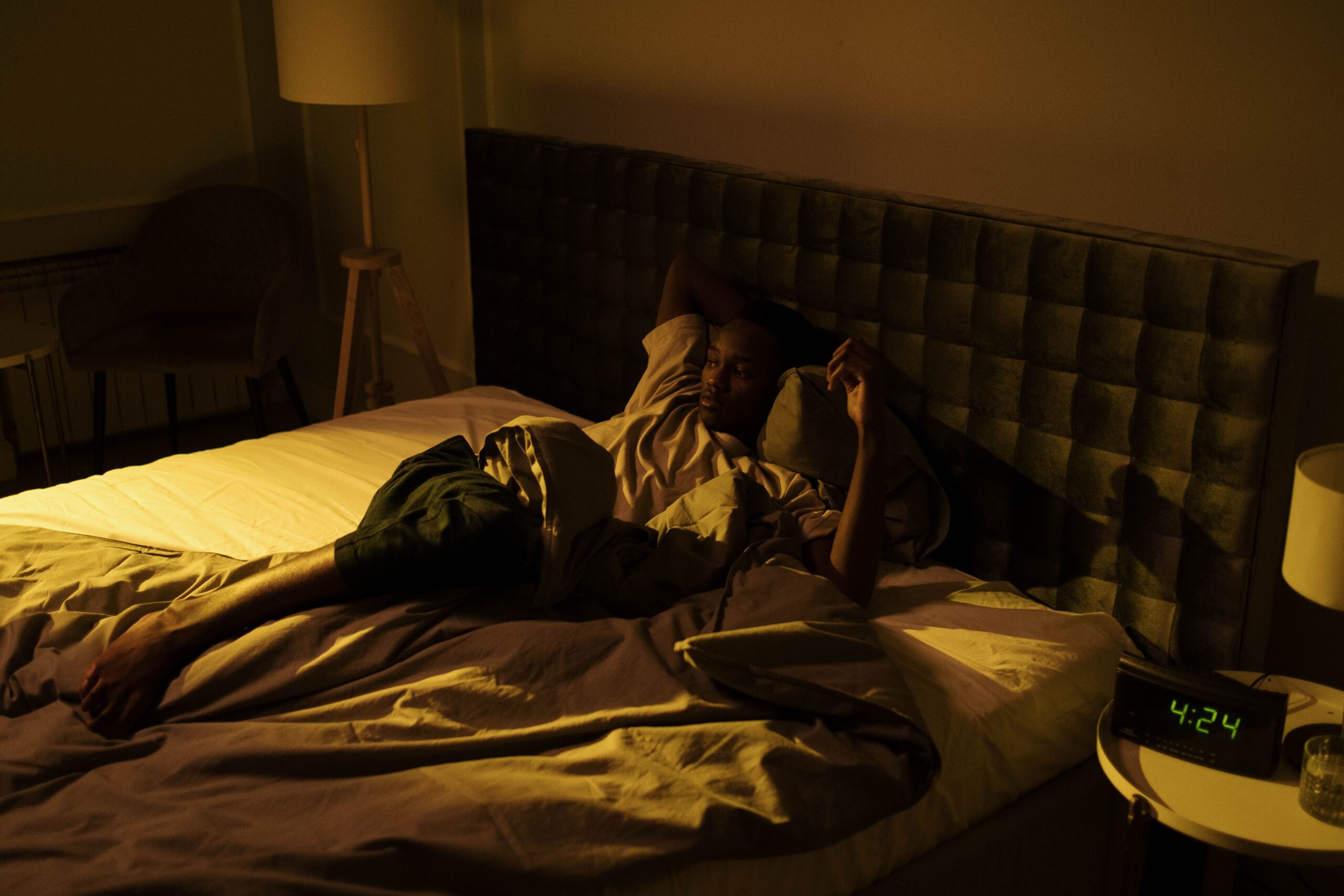
For others, complete silence can feel unsettling. A room that’s too still can make the mind feel louder. I know that when I sleep in a particularly quiet room, I start to feel like I can hear my heartbeat in my ears. Which, unfortunately, is not very relaxing.
The absence of familiar sounds (or the presence of unfamiliar ones) can make it harder to settle in.
In those cases, what’s often labeled as a “distraction” may actually be a form of grounding.
This is part of what makes sleep so complex.
It’s not just about eliminating stimuli. It’s about understanding which signals help the body feel safe enough to rest.
Read more: The End of Perfect Homes: Designing Spaces That Actually Support You
Rethinking What “Good Sleep” Looks Like
If sleep is shaped by social and environmental cues, then the definition of “good sleep” may be more flexible than we think.
For some, that might mean sleeping next to a partner.
For others, it might mean a pet curled up nearby.
For others, it might simply be the quiet awareness that someone else is in the next room.
Even the feel of a space can contribute to this sense of comfort. Soft, breathable bedding, a stable and supportive sleep surface, and a room that feels calm rather than sterile.
None of these elements replaces the biological need for sleep, but they can shape how easily the body gets there.
In that sense, sleep isn’t just something we do. It’s something we experience in relation to our environment and, often, to each other.
A Different Way of Thinking About Sleep
It’s easy to think of sleep as a solo activity. Something to improve, track, and get right on our own.
But the reality is a little more layered.
Humans may be capable of sleeping alone, but that doesn’t necessarily mean we’re wired to feel our most at ease that way.
From an evolutionary perspective, sleeping near others likely offered protection, warmth, and a shared sense of awareness. While modern life has changed those conditions, the underlying biology hasn’t disappeared.
Which means that sometimes, better sleep isn’t about perfecting the environment in isolation.
Sometimes it’s about recognizing that we don’t experience sleep in isolation to begin with.
And that the quiet presence of another living thing, whether it’s a partner, a pet, or simply someone in the next room, might be part of what tells the body it’s finally safe enough to let go.
Read more: The Joy of Doing Nothing: Reclaiming Rest in a Productivity-Focused World
Have feedback on our story? Email [email protected] to let us know what you think!
Shop Pillows
The Essential Organic Pillow Collection
Gentle, breathable, non-toxic support.