






Getting Good Sleep is the Real Extra Credit
Pulling an all-nighter might feel like a rite of passage in college…laptop glowing, Red Bull in hand, notes sprawled everywhere, maybe even bragging about it the next morning. We’ve all been there at one point or another in our college careers. But here’s the reality check: sleep deprivation isn’t making you smarter. It’s frying your focus, jacking up your stress, and possibly dragging your GPA down.
Think of sleep as your brain’s built-in hard drive backup. Without it, information doesn’t store properly, emotions run wild, and even simple tasks (like finding your keys or remembering exam dates) feel like advanced calculus. Studies consistently show that students who get better sleep perform better academically and are more capable of handling stress without spiraling.
The good news is that you don’t need to overhaul your life to get the sleep you need. A few dorm-friendly tweaks (plus some cozy essentials, like a mattress topper that turns your dorm bed into something you might actually want to sleep on) can give your brain the recharge it needs.
Let’s break down why sleep is the unsung hero of academic success, and how to get it.
Your Brain on Zzz’s
Here’s the science-y part (don’t worry, no quiz later). When you sleep, your brain literally reorganizes information you’ve learned. It’s like pressing “save” on everything you studied. Skip sleep, and your brain struggles to transfer short-term info into long-term memory.
One Carnegie Mellon study even found that first-year students who skimped on sleep in the first weeks of class didn’t just feel groggy—they ended up with lower GPAs by the end of the semester. Translation? Bad sleep habits catch up with you faster than you think.
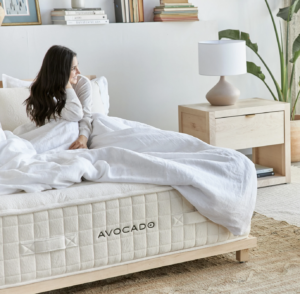
Dorm Fix: Make your bed a real study buddy. Avocado’s Organic Mattress Toppers can transform that flimsy dorm mattress into something less “standard-issued” with no chiropractor required.
Stress: Sleep’s Worst Frenemy
Stress and sleep have a toxic relationship. Stress makes it harder to fall asleep, and poor sleep ramps up stress hormones like cortisol, creating a vicious cycle. You know the drill…you’re lying awake thinking about that group project, which means you get less sleep, which makes the project feel ten times more overwhelming the next day.
According to the American Psychological Association, nearly half of U.S. adults say stress negatively impacts their sleep. For students juggling exams, part-time jobs, and messy roommate dynamics? That stat feels like a lowball.
Dorm Fix: Weighted blankets have been shown to reduce anxiety and promote calm by providing deep-pressure stimulation. Avocado’s Organic Weighted Blanket is breathable, cozy, and way better for your nervous system than stress-scrolling TikTok at 2 a.m.

Read More: Why Weighted Blankets Feel So Good
Social Jet Lag: Why Weekends Wreck Your Rhythm
We hate to break it to you, but your circadian rhythm isn’t built for the weekend free-for-all. Staying up until 2 a.m. on Saturday, then expecting to be bright-eyed at your 8 a.m. lecture on Monday, is basically like traveling abroad without the vacation pics. This phenomenon even has a name—“social jet lag.”
Irregular sleep schedules are strongly linked to worse academic performance. Regularity is the real secret sauce, not just hours slept, but consistency. Research from the American Academy of Sleep Medicine shows that even a 90-minute difference between weekday and weekend sleep can increase fatigue, mood swings, and long-term health risks. Basically, your body can’t tell if it’s in biology class or stuck on a red-eye flight.
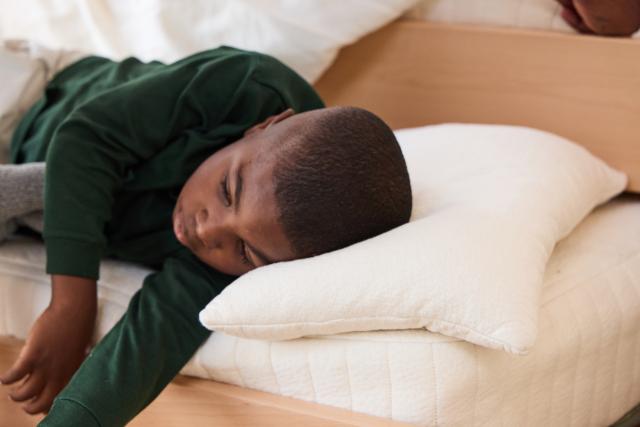
Dorm Fix: Try keeping wake-up times steady, even on weekends (sorry, we know). Blackout curtains or an eye mask help when your roommate is on a different schedule. Pair it with an Organic Pillow to support your head and neck so you wake up refreshed, not wrecked.
Read More: The Viral Sleep Hacks Worth Trying (and the Ones to Skip)
Sleep and Sanity: A Package Deal
Poor sleep doesn’t just mess with grades; it also messes with your mood. Research shows sleep deprivation can increase anxiety, lower resilience, and even mimic symptoms of depression. It’s no coincidence that college counseling centers often ask about sleep first.
And let’s be real. Nobody feels their best when they’re running on caffeine fumes and vending machine snacks. A good night’s sleep is emotional first aid.
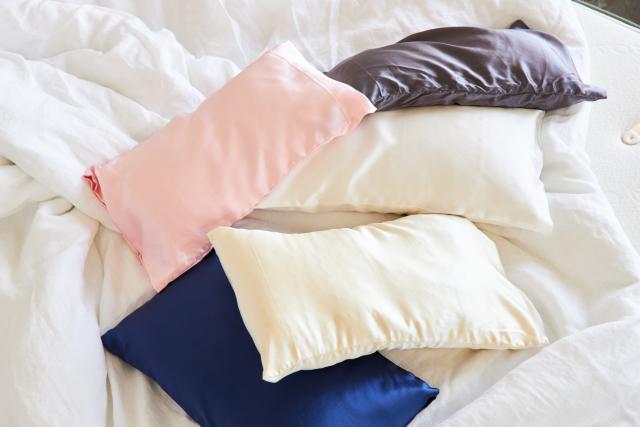
Dorm Fix: Build rituals that cue your brain for downtime. Dim the lights, stretch, or swap doomscrolling for journaling. Even something simple like resting your head on a silky smooth pillowcase can trigger your senses to recognize: this is your safe sleeping space.
Read More: How To Have A Mindful Meltdown
Dorm Life Survival Tips
Okay, you’re busy. You want fixes that actually work without requiring a total personality transplant. Here are a few:
Cool it down
The sweet spot for sleep is around 65°F. If your dorm runs hot, Avocado’s Dorm Room Bundle offers a breathable Organic Mattress Topper and naturally cooling Organic Pillow that help regulate body temperature so you don’t wake up sweaty. A small fan near your bed doesn’t hurt either.
Block the chaos
Light and noise are top dorm-room offenders. Blackout curtains and a good eye mask are lifesavers for late-night study neighbors or early risers. Pair with Avocado’s Weighted Blanket to add a calming, cocoon-like layer that keeps distractions (and stress) at bay.
Cut the caffeine curve.
Coffee might feel like your unofficial major, but it lingers in your system for up to 8 hours. Keep your cold brew habit for mornings and swap late-night sips for herbal tea (your circadian rhythm will thank you).
Move your body (but time it right).
Exercise helps burn off stress and primes your body for deeper sleep, but high-intensity workouts late at night can rev you up. Stick to morning or afternoon movement, or opt for a more relaxing form of movement in the evening, like a Yin yoga class. Then let your bed handle the recovery.
Roommate realities.
The sweetest roommate can still be a sleep saboteur. Late-night phone calls, clacking keyboards, different class schedules—it’s a lot. Have the “sleep talk” early: set ground rules for quiet hours, or invest in noise-masking tools like a sound machine.
Bedtime cues that actually work.
Train your brain with rituals: dim the lights, stretch, journal, swap Instagram for a book you love, or even some calming music. Something as simple as slipping into your favorite cozy PJs is enough to signal your brain to rest.
The Real Secret Study Hack
Sleep isn’t wasted time; it’s actually the best study hack you’re not using. It consolidates memories, lowers stress, sharpens focus, and keeps you from melting down mid-semester. In short: it’s your academic armor.
And the best part? Unlike cramming, sleep pays off long-term. Build the habit now, and you’ll not only get through finals with fewer breakdowns, but you’ll actually feel a lot better doing it.
So, ditch the all-nighters. Upgrade your sleep setup with bedding that supports your body and brain. And remember, no GPA was ever saved by another double espresso at midnight, but plenty have been boosted by a good night’s sleep.

Read more: Want to Sleep Deeper? A New Study Says Prioritize These Two Food Groups
Have feedback on our story? Email [email protected] to let us know what you think!
Shop Pillows
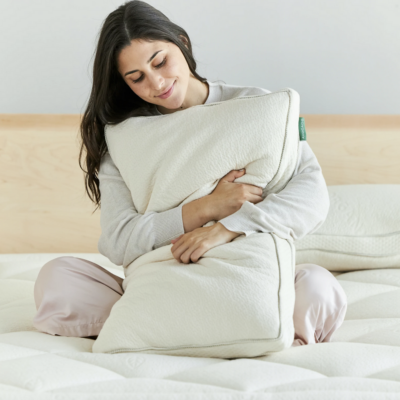
The Essential Organic Pillow Collection
Gentle, breathable, non-toxic support.