





They say you are what you eat, but new research shows your diet may also dictate how well you sleep. Forget the pricey supplements, viral gadgets, and overly complicated nighttime routines. The real answer to restorative rest could be hiding in your everyday meals. In a recent study, Japanese sleep scientists found that eating more protein and fiber is tied to longer, better-quality sleep. With insights from a registered dietitian and sleep expert, we’ll break down the science behind it and show you how to get enough of both nutrients for sound Zzzs.
What’s the Relationship Between Nutrition and Sleep?
We know sleep rests on more than just what we do before bed. It turns out, it can start as early as breakfast. What we fuel our bodies with throughout the day helps set the stage for how deeply we rest at night. “Sleep and nutrition are tightly connected,” says Dr. Michael Howell, a sleep coach for the Minnesota Twins, neurology professor, and chief medical officer at GEM SLEEP. “Under normal circumstances, we maintain an overnight fast of approximately 10-12 hours, which is what our first meal of the day is named after: breaking-the-fast. Eating well during the day can help maintain that fast and healthy restful sleep.”
A diet that includes a balanced mix of protein, carbohydrates, and fats keeps blood sugar stable and the gut microbiome diverse—both game-changers for quality sleep. “What we eat influences blood sugar, inflammation, and hormones that regulate when we fall asleep and affect how restorative that sleep is,” Dr. Howell says. He often reminds patients that better sleep supports healthier eating, and healthier eating supports better sleep. According to Jennifer Pallian, a registered dietitian and founder of Foodess, our dietary choices directly affect hormones like melatonin and serotonin, key players in maintaining the body’s circadian rhythm and getting sleep that recharges us.
On the other hand, if whole foods aren’t part of your regular diet, your overall health and sleep suffer. “Diets high in sugars, saturated fats, and processed foods can disrupt the gut flora, reduce beneficial microbial compounds, promote inflammation, and throw off circadian rhythms,” Pallian says.

Read more: How to Increase Deep Sleep for Better Rest.
How Does Eating Protein Help with Sleep? What About Fiber?
Protein and fiber go beyond building muscle and keeping things moving—they’re the unsung heroes of a good night’s sleep. First up, protein (aka the macronutrient everyone’s talking about these days). “Protein helps stabilize blood sugar overnight and supports the production of neurotransmitters involved in sleep regulation,” Dr. Howell says. “That stability makes it easier to fall asleep and stay asleep.” Another reason protein is effective in improving sleep quality is tryptophan, an essential amino acid found in foods like dairy, eggs, meat, and seeds. “Once ingested, tryptophan is converted into serotonin, and then into melatonin, the hormone responsible for regulating the sleep–wake cycle,” Pallian explains. She points out that clinical research consistently shows higher protein consumption—whether from animal or plant-based sources—is associated with better sleep outcomes.
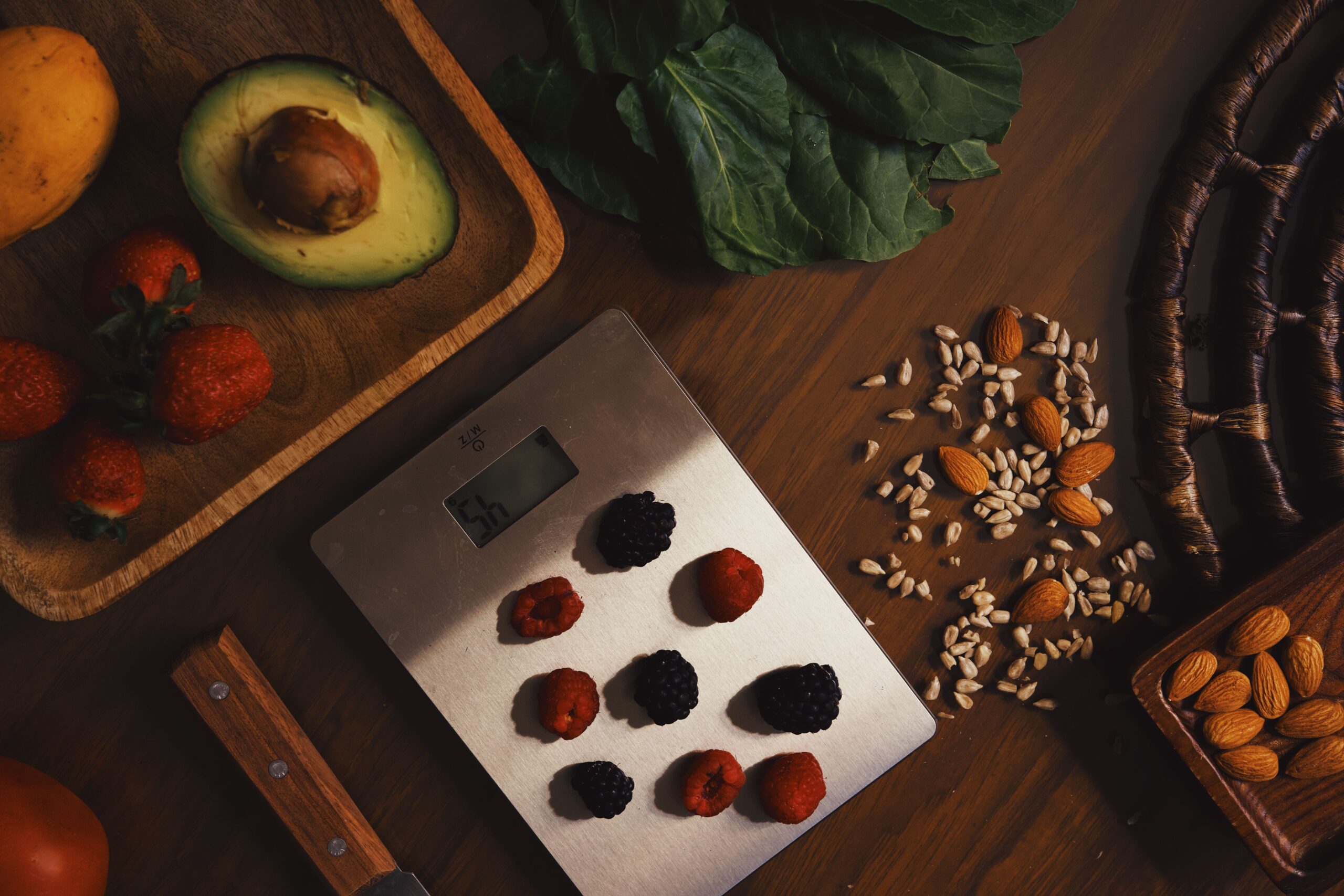
Fiber works differently than protein, but it does just as much of the heavy lifting when it comes to sound sleep. “It improves gut health and slows digestion, which reduces nighttime blood sugar spikes and inflammation that can fragment sleep,” Dr. Howell says. Soluble fiber, in particular, deserves the spotlight. As Pallian explains, it feeds beneficial gut microbes, strengthening intestinal health while dialing down inflammation. That boost to the gut microbiome also helps drive the production of the sleep-regulating hormones melatonin and serotonin. But sleep benefits most from a combination of soluble fiber (slows down digestion—think oats, black beans, and apples) and insoluble fiber (supports the movement of foods through the digestive system and adds bulk to stool—think nuts, berries, and leafy greens) from a variety of plant sources.
Together, protein and fiber create a steadier internal environment, supporting hormone balance and a well-functioning gut. The result? Deeper, more continuous sleep and better alignment with your natural circadian rhythm.
How Much Protein and Fiber Do You Really Need for Better Sleep?
“There isn’t a single perfect number for everyone, but most adults benefit from spreading protein intake across meals and aiming for adequate daily fiber rather than getting it all at once,” Dr. Howell says. “Consistency matters more than precision.” His advice is simple: Focus on whole foods and pay attention to how your body responds. A simple hack? Stick to the periphery of the grocery store where you’ll find the fresh produce, fish, eggs, and meats, and steer clear of the aisles where the ultra-processed foods are found. (Side note: If sleep is still a struggle despite good nutrition habits, Dr. Howell says it’s worth getting checked for sleep apnea.)
If you’re looking for a general range to aim for, Pallian cites that sleep-enhancing diets usually include about 18-20 percent of calories from protein and 25–30 grams of fiber per day. Here’s what that could look like, keeping in mind how much protein and fiber you should consume varies depending on factors like your age, gender, and health status:
- Breakfast: Greek yogurt with berries and chia seeds
- Lunch: Lentil salad with leafy greens, roasted vegetables, and a drizzle of olive oil
- Snack: Apple slices with almond butter
- Dinner: Baked salmon with quinoa and broccoli
While protein and fiber can do wonders for our sleep, more isn’t always better. “Excessive protein intake—especially from processed or red meats—may harm gut health by reducing the production of beneficial short-chain fatty acids (SCFAs), contributing to inflammation, and potentially straining liver or kidney function,” Pallian says. Too much fiber can also do more harm than good, causing bloating and other digestive discomfort. Bottom line: To keep your gut happy and your sleep optimal, tune into what works for your body and lifestyle, and eat in a way that feels right for you.

Read more: How Sleep Impacts Metabolic Health.
Tips to Get Enough Protein and Fiber to Support Your Sleep
Dr. Howell and Pallian lay out simple, practical ways to hit your protein and fiber goals without overthinking or overdoing it:
- Spread protein across meals. Include a protein source at every meal, switch it up, and lean toward ones high in tryptophan. Reach for dairy products, eggs, poultry, fish, legumes, nuts, and seeds. Not only do they support melatonin production, but they also help keep blood sugar stable overnight, contributing to deeper, uninterrupted sleep.
- Load up on fiber-rich plants. Fill your plate with a variety of fiber-rich foods like vegetables, beans, whole grains, and berries throughout the day. These foods nourish beneficial gut bacteria and short-chain fatty acids, particularly butyrate, which has been linked to more restorative sleep and a healthier circadian rhythm.
- Stick to whole foods overall. Limit foods known to disrupt sleep, including sugar, alcohol, caffeine, and saturated fats, especially close to bedtime. They can disturb the gut microbiota (the community of tiny living organisms—mostly bacteria—that naturally live in your digestive system), increase inflammation, and interfere with hormones and neurotransmitters needed for deep sleep. And have meals at regular times—eating too late can throw off sleep patterns and lead to fragmented sleep.
- Pair nutrition changes with good sleep hygiene. Keep a consistent sleep schedule, make your bedroom cool and dark, and limit screen time in the hour before bed. Small habits like these add up, reinforcing your body’s natural circadian rhythm and making your nutritional efforts go further for rejuvenating sleep.
If science has anything to say about it, giving a little extra attention to protein and fiber in your daily meals can take your sleep from average to deep and renewing. And the perks don’t stop there—consider your overall well-being, from energy and mood to longevity, upgraded too. With smarter nutrition, better nights and better days are ahead.

Read more: Is “Girl Dinner” Ruining Your Sleep? What the Science Says.
Have feedback on our story? Email [email protected] to let us know what you think!

Shop Pillows
The Essential Organic Pillow Collection
Gentle, breathable, non-toxic support.