



Lately, wellness culture has been fixated on “maxxing” nearly everything. From protein and fiber to sleep and even sunlight, the message seems to be that optimal health and longevity require endless improvement. While it may inspire people to eat more nutritiously, prioritize sleep, and take a more active role in their well-being, it can also leave us questioning whether we’re doing enough. But a growing movement is pushing back.
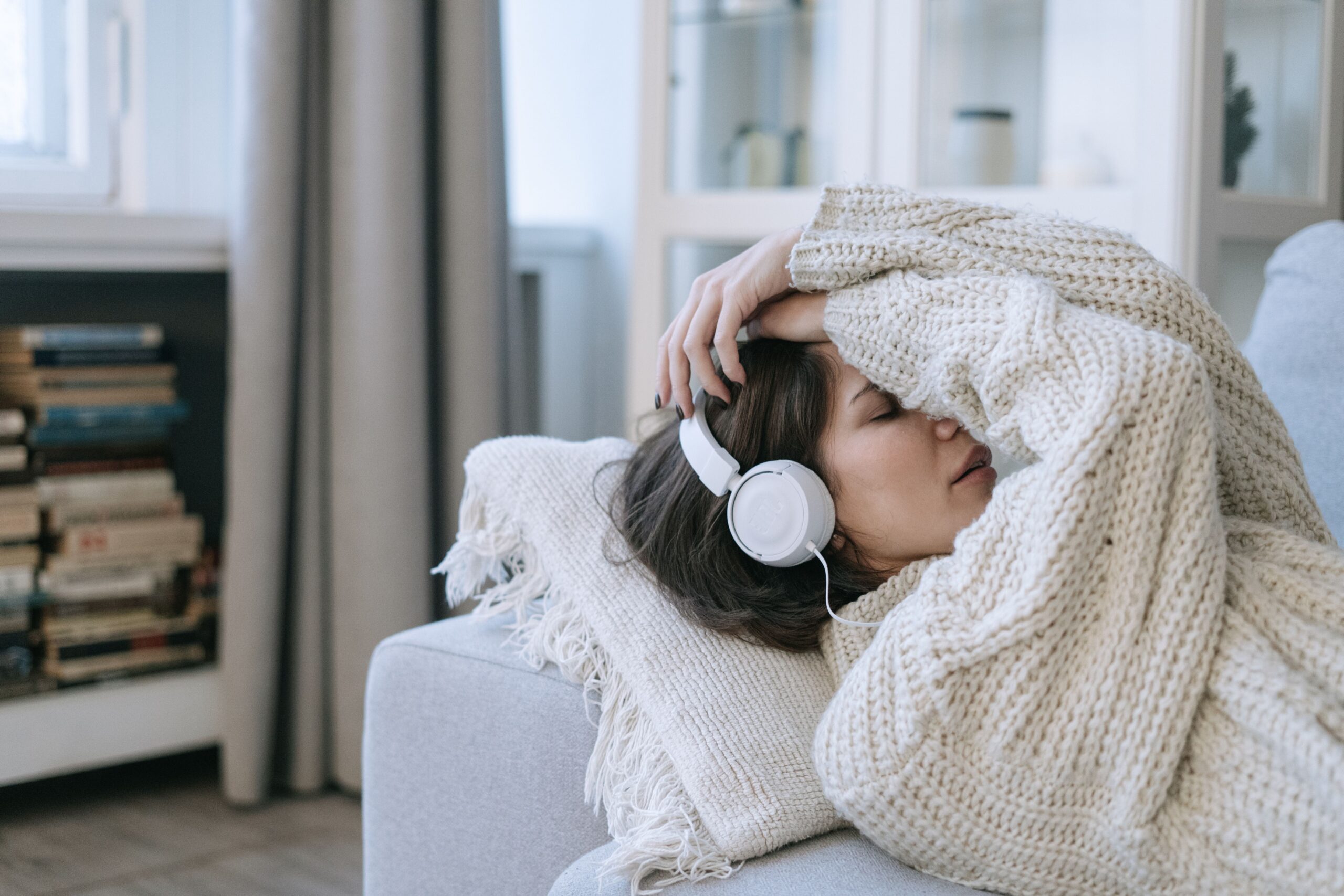
Called “slowmaxxing,” the trend embraces intentional slowness, making room for rest, presence, and unstructured time that often gets squeezed out by the pressure to always be “on.” Though its name sounds like an oxymoron, slowmaxxing flips the “maxxing” rhetoric on its head, suggesting that sometimes slowing down is the healthiest thing we can do for ourselves.
To better understand slowmaxxing, I spoke with an expert about what it means and how to make it a realistic and sustainable part of your life. Here’s what they had to say.

Read more: 3 Fast, Affordable, & Nutrient-Dense Organic Weeknight Meals the Family Will Love
What Slowmaxxing Is—and How It’s More Than Just Self-Care
While you might think slowmaxxing is just another name for self-care, experts say it goes beyond the occasional wellness ritual. “Self-care is often thought of as an itemized to-do list—activities or plans to add into your day that help soothe and de-escalate stress levels,” says Dr. Jenny Martin, PsyD, a licensed clinical psychologist and founder of Gemstone Wellness. “We squeeze in a bubble bath or a session on a meditation app, but we quickly return to the same hyperactive place as soon as we’ve finished.”
Slowmaxxing, by contrast, isn’t about adding another wellness habit into your routine—it’s about stepping back from the expectation that we should be constantly productive, self-optimizing, and striving for more.
“To me, slowmaxxing is about creating space for your nervous system to come out of the state of constant arousal,” says Dr. Martin. “It’s not necessarily about doing less, but more about shifting how you relate to time, urgency, and productivity.”
What Happens to the Body When We’re Always in Productivity Mode
Between the never-ending stream of content at our fingertips and the push to continuously perform and optimize, our minds and bodies rarely get the chance to fully downshift. “Humans are amazingly adaptable, but we’re absolutely not designed to remain in a perpetual state of urgency,” Dr. Martin explains. The body responds with elevated cortisol levels, chronic inflammation, unrelenting stress and tension, and disrupted sleep.
What’s more, living in an ongoing state of stimulation can condition the body to believe that hyperarousal is normal. “Over time, we forget what a neutral baseline feels like,” Dr. Martin says. Increased anxiety, irritability, difficulty concentrating, and emotional reactivity can become so familiar that we stop recognizing them as signals that something needs to change. Many of Dr. Martin’s clients describe it as a lingering sense of exhaustion without the ability to truly rest. When this becomes the default, she adds, it becomes far more difficult to change. Slowmaxxing offers a path forward.
Read more: 3 Sleep Experts Share Their Morning Routines
How to Build Slowmaxxing into a Busy Life
- Take a daily walk outdoors. Dr. Martin recommends making it a habit to step outside each day without your phone or any other distractions—even music. Separating yourself from outside noise can help quiet the mind and rewire the brain to function without stimulation. “It’s not just about walking, it’s about remembering we can exist without added sensory input,” she says. “Over time, we start to notice things we used to miss—the sounds of birds, the nuance of colors on a building, the different tones of traffic—and we become more rooted in the present.” Just 10 minutes a day can help you slow down and give your nervous system a much-needed break.
- Define what matters most. Part of slowmaxxing is figuring out what you’re making space for. “It’s hard to slowmaxx if you aren’t sure what you’re aiming for,” Dr. Martin says. She suggests taking the time to ask yourself what feels missing from your life. Is your goal to have more time for the people and activities that energize you? More moments of calm throughout the day? Or simply more rest? “Take time to identify what your life’s architecture is missing so you can be intentional with the new design,” she recommends.
- Factor in transition time. Rather than rushing from one task to the next, Dr. Martin encourages building small pockets of breathing room between each. She makes it a point not to task-shift without taking five to 10 minutes to reset. While pausing between activities may feel counterproductive in today’s hustle culture, she says it’s critical for setting a healthier pace for the day. Transition time allows you to process what you’ve just completed, check in with your mind and body, and prepare for what’s next. “While it can be uncomfortable at first, this helps us learn how to sit with unfilled time,” Dr. Martin notes.
- Stop trying to optimize every moment. “How often are we truly doing one thing with our full presence?” Dr. Martin asks. In other words, resist the urge to multitask—not every moment has to be optimized. Even when it comes to our downtime, it’s become second nature to fill every spare minute. We settle in to watch a show while simultaneously scrolling social media, our attention divided between multiple screens. “We’ve become accustomed to needing such a high level of stimulation that we’ve forgotten how to exist with less,” she continues. “Retraining ourselves to do one thing at a time is a way to get back to a slower, calmer pace.”
- Build in moments of sensory pleasure. “Life is more fun when there is joy, and we have power to create it,” Dr. Martin says. That might look like savoring your morning coffee rather than drinking it while working at your computer, stepping outside for a few minutes of morning sunlight, taking a mid-day break to stretch your body, or lighting a candle as part of your evening wind-down. It sounds simple, Dr. Martin notes, but what’s important is intentionally choosing to engage in experiences that make you feel good and reflect your values.
- Work to tolerate discomfort. Slowmaxxing may evoke images of romanticism and whimsy, but a slower, more intentional way of life takes practice and dedication. “In a way, slowmaxxing is a form of resistance against culture,” Dr. Martin describes. “You have to be prepared to tolerate moments of significant friction when what you’re working towards rubs against the expectations of society.” We’ve been programmed to believe that busyness equates to our worth, so it’s only natural that choosing stillness or a slower pace can feel uneasy at first. Not filling your calendar, sitting down to do nothing, or saying “no” may feel strange, difficult, or even bring up guilt. But Dr. Martin emphasizes that the more compassion you hold for yourself as you build these habits, the more success you’ll find in designing your “slowmaxxed” life—one that’s aligned with what’s most meaningful to you.

Read more: Comfort Objects for Adults
Have feedback on our story? Email [email protected] to let us know what you think!

Shop Pillows
The Essential Organic Pillow Collection
Gentle, breathable, non-toxic support.