







Morning habits set the tone for the day, and we all have our own habit stacks, but for people who study sleep for a living, what do they do to feel awake and ready to take on the day?
We asked three sleep specialists to walk us through their real morning rituals to learn what energizes them and which trends they skip. We found that they agree on these two non-negotiables: bright natural light and staying offline. They also just so happen to all go to bed around 10 p.m. and wake up around 6:00 a.m. Maybe they’re on to something.
In their own words, here are the morning routines of a sleep dentist, neurologist, and physician.
A Sleep & Pulmonary Physician’s AM Routine

Dr. Saema Tahir is a quadruple board-certified physician who specializes in pulmonary disease, critical care, and sleep medicine. She helps patients get to the root cause of their sleep disturbances and builds sustainable treatment plans to improve their quality of life.
- Lights Out: 10:00 p.m.
- Wake time: 6:00 a.m.
How Dr. Tahir starts her day
The first thing I do is get natural light, even just standing near a window for a few minutes. Morning light exposure helps anchor the circadian rhythm and suppresses melatonin faster, which cuts down on grogginess (sleep inertia). I don’t check my phone right away; email and news can wait until I’ve had a chance to actually feel awake. I usually have about 45 minutes before I need to be “on,” enough time for water, a short stretch or walk, and breakfast with some protein, which helps stabilize blood sugar and energy compared to skipping it or grabbing something sugary. It leaves me feeling steady rather than rushed.
If she only has 10-15 minutes…
I’d skip everything except the essentials that affect how my body and brain come online: a big glass of water (to rehydrate after hours without fluids), a couple minutes of light or fresh air to help reset my circadian signal, and a quick stretch. I’d rather cut breakfast down to something grab and go than skip the light exposure; it does more for alertness than most other things.
A trend she skips
I don’t do the ice bath or cold plunge thing every morning. There’s some evidence it triggers a norepinephrine and dopamine spike, but for most people the effect on daily energy and mood is modest and short lived, and it’s not something with strong long term data behind it as a morning routine essential. I’d rather spend that time and willpower on consistent sleep and morning light, which have much more robust research behind them.
How she protects her morning the night before
I set a hard cutoff for screens about 30 to 45 minutes before lights-out, since blue light exposure in the evening suppresses melatonin release and can delay sleep onset. I also lay out anything I need for the morning (clothes, gym bag, etc.) so I’m not making decisions when I’m still half-asleep.
Dr. Tahir’s #1 morning tip
Consistency in wake time, even on weekends, matters more than almost anything else. Irregular sleep schedules (social jet lag) are linked to worse mood, alertness, and even metabolic markers, independent of total sleep duration. Once people lock in a steady wake time, mornings stop feeling like they’re being dragged out of bed and start feeling more automatic.
Read more: Why Morning Light is Fundamental to Wellness
A Sleep Neurologist’s AM Routine

Dr. Meredith Broderick is a triple board-certified sleep neurologist. Through her telehealth practice Sleep Sound Guru, she helps people solve their sleep problems through allopathic and behavioral sleep medicine.
- Lights Out: 10:00 p.m.
- Wake time: 6:15 a.m.
How Dr. Broderick starts her day
I wake up to an old school alarm clock with the radio as the sound. I like to listen to the radio for a few minutes and doze in the morning. I come up with some of my best ideas this time of day. Once I turn off the radio, I get out of bed and open the blinds. I love getting bright light first thing in the morning. I always brush my teeth, wash my face, and do my morning skincare routine. It’s really important to me not to check my phone first thing in the morning! After that I make coffee and review my schedule for the day. All that happens within a span of about 20-30 minutes. It is important to me to have a leisurely morning and not to feel rushed.
If she only has 10-15 minutes…
Open the blinds, brush my teeth, and make coffee!
A trend she skips
I would skip checking my sleep score. One of the most harmful things I am seeing in most of my patients dealing with insomnia is orthosomnia, which is when a person develops an unhealthy relationship with sleep tracker data. They might compare data with another family member or overfocus on metrics that might be inaccurate or insignificant but cause a lot of distress.
Protecting her morning the night before
I always say goodnight to my smartphone outside of my bedroom and read by very dim light until I feel sleepy. I sleep much deeper and can detach from work or the digital realm so much more effectively if I have surrendered my smart phone for the day.
Dr. Broderick’s #1 morning tip
The combination of morning light to help entrain the circadian rhythm and provide an alerting signal plus avoiding checking electronics first thing in the morning has been a winning combination for me and my patients.
Read more: Is Your Sleep Tracker Making You Anxious?
A Sleep Dentist’s AM Routine
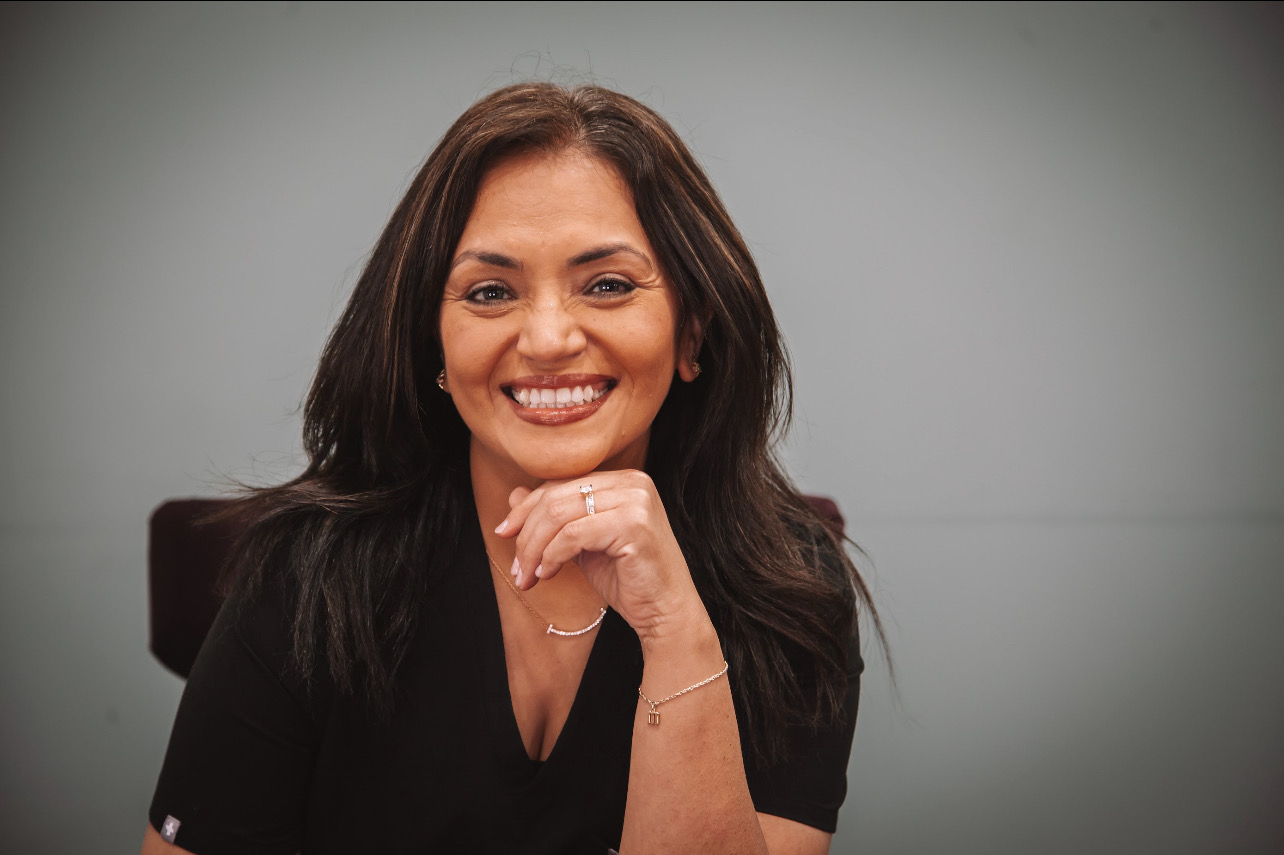
Dr. Meghna Dassani is a dentist, but she doesn’t spend most of her day fixing teeth. She helps children and adults sleep better by identifying and addressing problems with their airway and sleep-disordered breathing.
- Lights Out: 10 p.m.
- Wake time: 6 a.m.
How Dr. Dassani starts her day
I wake up to an alarm that senses my lightest sleep stage so I’m not jarred awake from a deep sleep. When I wake up, I prioritize hydration and movement along with some journaling and meditation. I treat my mornings as my sacred personal space which sets the tone for the rest of my day.
If she only has 10-15 minutes…
I prioritize movement (even light stretching counts!) and getting natural light.
A trend she skips
I skip the 5 a.m. wake ups and cold plunge trends. I don’t believe that feeling my best should come with rituals that make my life difficult. My morning rituals should allow me to start my day feeling empowered and support my wellness, not a standard I had to force myself to meet.
How she protects her morning the night before
I try to stay off my phone and all social media at least two hours before bed. I use blue light glasses if I’m reading on a device before bed to help protect my melatonin production. I journal before bed to get all my thoughts and to-dos out and on paper, which I find helps me go to sleep without carrying things mentally into the next day.
Dr. Dassani’s #1 morning tip
Get some natural light as soon as possible and incorporate movement. Open the blinds, take a deep breath, and reach up to touch the sky. It’s much easier and sustainable than a routine that’s elaborate and complicated.
Read more: 4 Sleep & Wellness Experts Share Their Wind-Down Routines
Have feedback on our story? Email [email protected] to let us know what you think!

Shop Pillows
The Essential Organic Pillow Collection
Gentle, breathable, non-toxic support.