



I am a thirty-something adult with a spouse, a career, and enough life experience to know that 100% cotton is the only sane choice of underwear.
And every night I sleep with a stuffed panda. His name is Jules.
I’ve had him since I was a pre-teen, and at some point, he quietly became part of my bedtime routine.
Not in a dramatic way. I don’t consciously reach for it, thinking, Ah, yes, time for emotional management. He’s simply there, tucked under one arm while I fall asleep.
For a long time, I assumed this was one of those slightly embarrassing things adults weren’t supposed to admit.
Then I discovered how many grown adults have their own version of Jules. Once I started paying attention, they seemed to be everywhere.
A friend who still sleeps with the same blanket they’ve had since childhood. Someone who refuses to drink their morning coffee out of any mug but that one specific chipped mug. Or a sweatshirt that should have been retired years ago but somehow keeps surviving every closet cleanout.
The objects themselves are different, but the attachment feels familiar.
And according to psychologists, there may be a reason these objects stay with us.
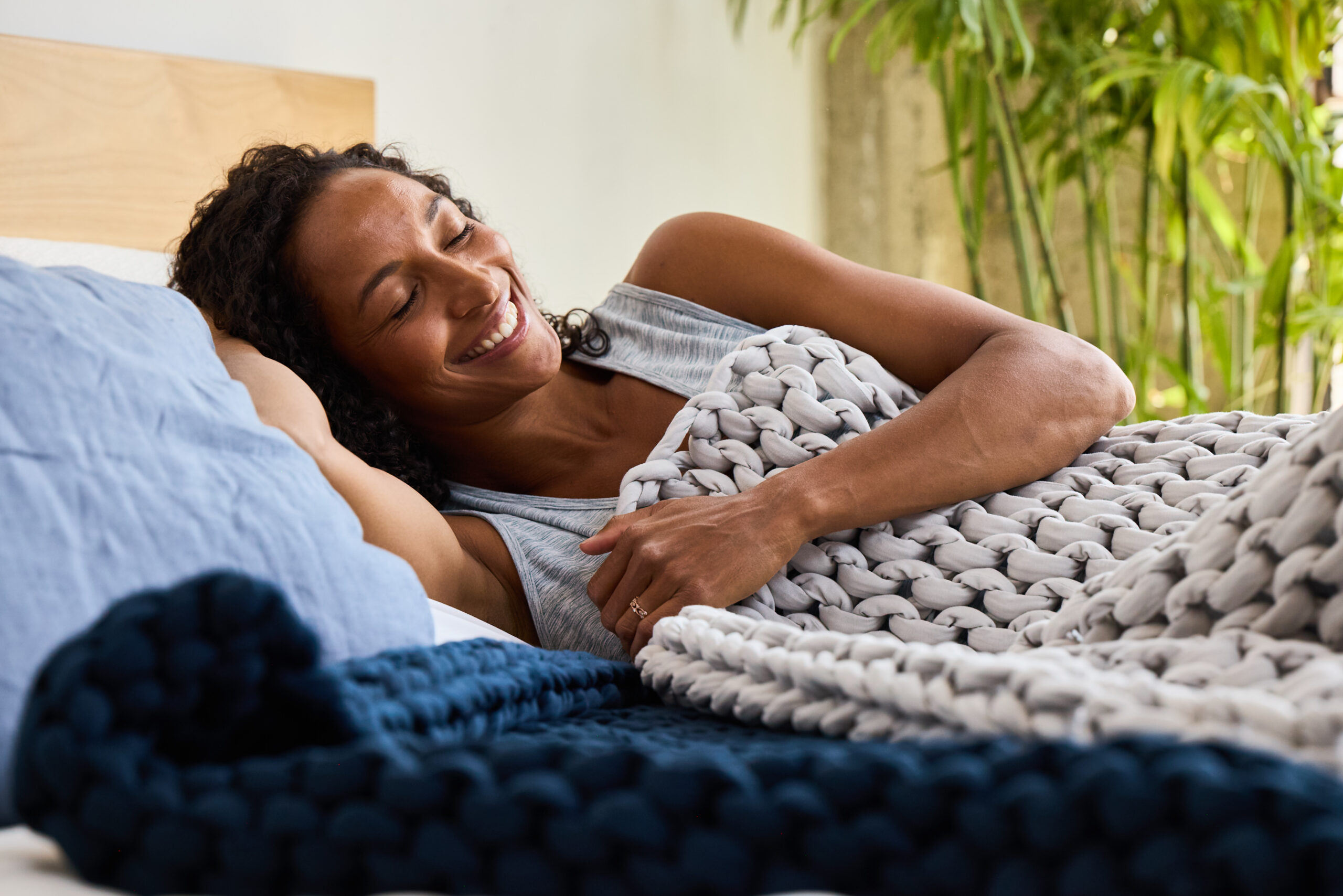
Read more: The Psychology of Comfort: What Makes us Really Feel at Home.
More Than Just Childhood Habits
When we think of comfort objects, they are usually associated with childhood.
Many of us are familiar with the idea of a favorite stuffed animal or blanket helping children cope with stress, separation, or unfamiliar situations. They call it a security blanket for a reason.
But researchers have found that attachment to comfort objects doesn’t necessarily disappear in adulthood. Instead, these objects can continue serving emotional and psychological functions throughout life.
Some psychologists refer to these items as “transitional objects,” a term originally introduced by pediatrician and psychoanalyst Donald Winnicott.
The idea is that certain objects help create a sense of security, continuity, and emotional grounding, particularly during periods of stress or change.
What’s fascinating is that adulthood provides no shortage of stress or change.
Jobs change. Relationships change. Cities change. Entire routines can shift overnight.
It makes sense that some of us continue gravitating toward small physical anchors.
Why We Hold Onto Certain Things
What’s interesting is that comfort objects aren’t necessarily valuable because of what they are.
A blanket can be tangled up with memories of home. Or a favorite mug can become a part of a morning ritual. Even something as simple as the bedding we sleep in can become part of the ritual that signals to the brain that it’s time to rest.
Over time, these objects take on meaning that can have little to do with their practical function.
Studies examining attachment objects suggest that familiarity itself can provide a sense of emotional stability and comfort.
Over time, the object becomes linked to feelings of safety, predictability, and regulation. The object itself isn’t performing magic. It’s participating in a relationship.
And honestly, that’s true of many of the things we keep longest.
Not because they’re trendy. Not because they’re expensive.
Because they’ve quietly earned a place in our lives.
The Science of Feeling Safe
There’s also a physiological side to comfort.
Research increasingly suggests that feelings of safety play an important role in emotional regulation and well-being.
When we feel secure, the nervous system can shift away from heightened states of vigilance and stress.
That’s part of why familiar environments often feel restorative.
And sometimes, familiar objects become part of that equation.
I’d love to say that Jules the Panda possesses some rare and scientifically verified sleep-enhancing abilities. Unfortunately, the explanation is a little less exciting.
Research on attachment objects suggests that familiar items can become closely linked to routines, feelings of safety, and emotional regulation over time. Sometimes those associations develop around a favorite blanket, the feel of familiar comfort clothes, or an object that’s been part of a bedtime routine for years.
Certain objects become connected to routines.
Certain routines become connected to comfort.
And comfort becomes connected to rest.
Which means that, over time, even seemingly ordinary items can become surprisingly powerful cues.
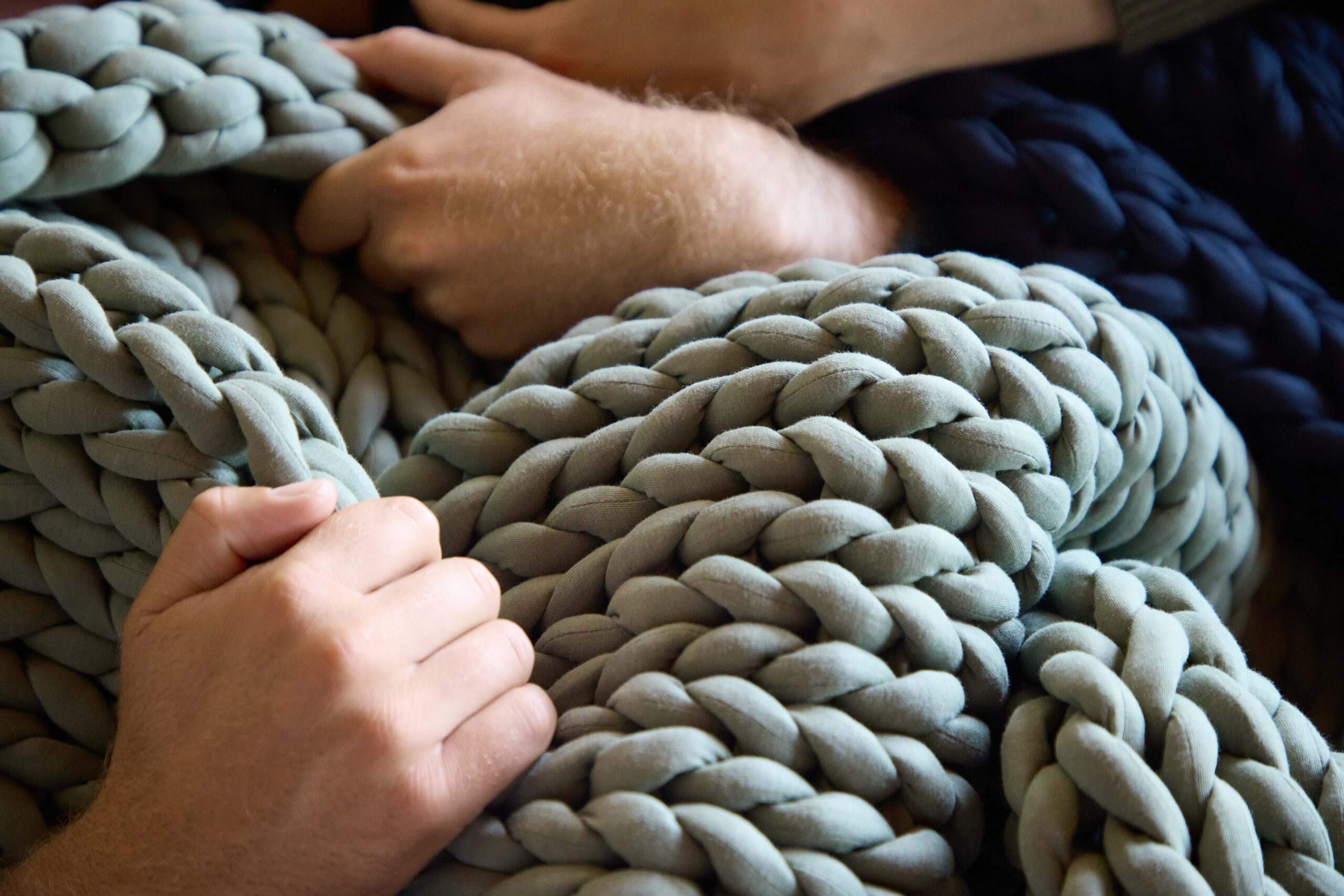
Read more: How Weighted Stuffed Animals Can Help Children With Anxiety or Sensory Needs
The Objects That Stay
One thing I kept thinking about while researching this topic is how different comfort objects are from most consumer products.
Most products are designed to capture attention.
Comfort objects tend to do the opposite.
Unlike most products, comfort objects aren’t trying to get our attention. They’re the things that quietly integrate themselves into daily life.
They’re usually a little worn and rarely the sort of thing anyone would describe as aspirational. Yet they’re often among the possessions people keep the longest.
Research on attachment objects suggests that emotional significance often outweighs practical value when determining why people keep certain possessions. Some researchers believe these objects help create a sense of continuity, connecting different periods of our lives and reinforcing feelings of stability during times of change.
Familiar objects can evoke memories, routines, and associations that help us feel more grounded, even when we’re not consciously thinking about them.
This helps explain why people hold onto things that make very little sense on paper. The blanket that’s falling apart. The mug that’s chipped. The stuffed animal that’s been moved through four apartments and three relationship milestones.
Their value isn’t really contained in the object itself. It’s embedded in everything the object has quietly witnessed.
Which feels surprisingly relevant in conversations about quality.
Because quality isn’t always about performance metrics.
Sometimes it’s about staying power.
Not the kind measured in years. The kind measured in meaning.
Comfort as a Form of Sustainability
When we talk about sustainability, the conversation often focuses on materials, sourcing, manufacturing, or waste.
Those things matter.
But there’s another layer that’s harder to quantify: our relationship with the things we own.
The products we form lasting attachments to often remain in our lives far longer than their purely functional counterparts. That’s often because of memory. Sometimes it’s because they’re genuinely comfortable, well-made, and continue supporting us year after year.
Not because we’re forcing ourselves to keep them, but because they become woven into our sense of home.
This creates an interesting contrast with much of modern consumer culture.
Many products are designed to be replaced. A newer version arrives. A trend shifts. Something stops feeling exciting.
Comfort objects tend to follow a different trajectory. Their value doesn’t come from novelty. If anything, it often grows through familiarity. The more history they accumulate, the harder they become to replace.
That’s not sustainability in the traditional sense of the word. No one is arguing that my stuffed panda is a climate solution.
But it does point to a different way of thinking about longevity.
When we feel connected to something, we’re more likely to keep it. More likely to care for it. More likely to find room for it through moves, life changes, and shifting tastes.
In that sense, emotional durability can be just as important as physical durability.
Because a product can be built to last for decades, but if no one wants to keep it, its lifespan may end much sooner than intended.
The objects that stay with us the longest are often the ones that become part of our story.
And maybe that’s part of what makes comfort objects so interesting. They remind us that lasting value isn’t always created through performance or innovation. Sometimes it’s created through familiarity, ritual, and years of quiet companionship.
The Panda Stays
I don’t know exactly why Jules the Panda stuck around.
Maybe it’s routine.
Maybe it’s nostalgia.
Maybe my brain simply decided that sleep now comes with a panda and never revisited the decision.
Whatever the reason, I’m keeping it.
And based on the research, I’m far from alone.
Because beneath the weighted blankets, favorite mugs, house shoes, old sweatshirts, and stuffed animals is something surprisingly universal:
Whether it’s a weighted blanket, or a slightly threadbare stuffed Panda, the underlying impulse is often the same. We look for small sources of familiarity that help us feel grounded when life feels uncertain.
And sometimes, that comfort looks a lot like a Panda.
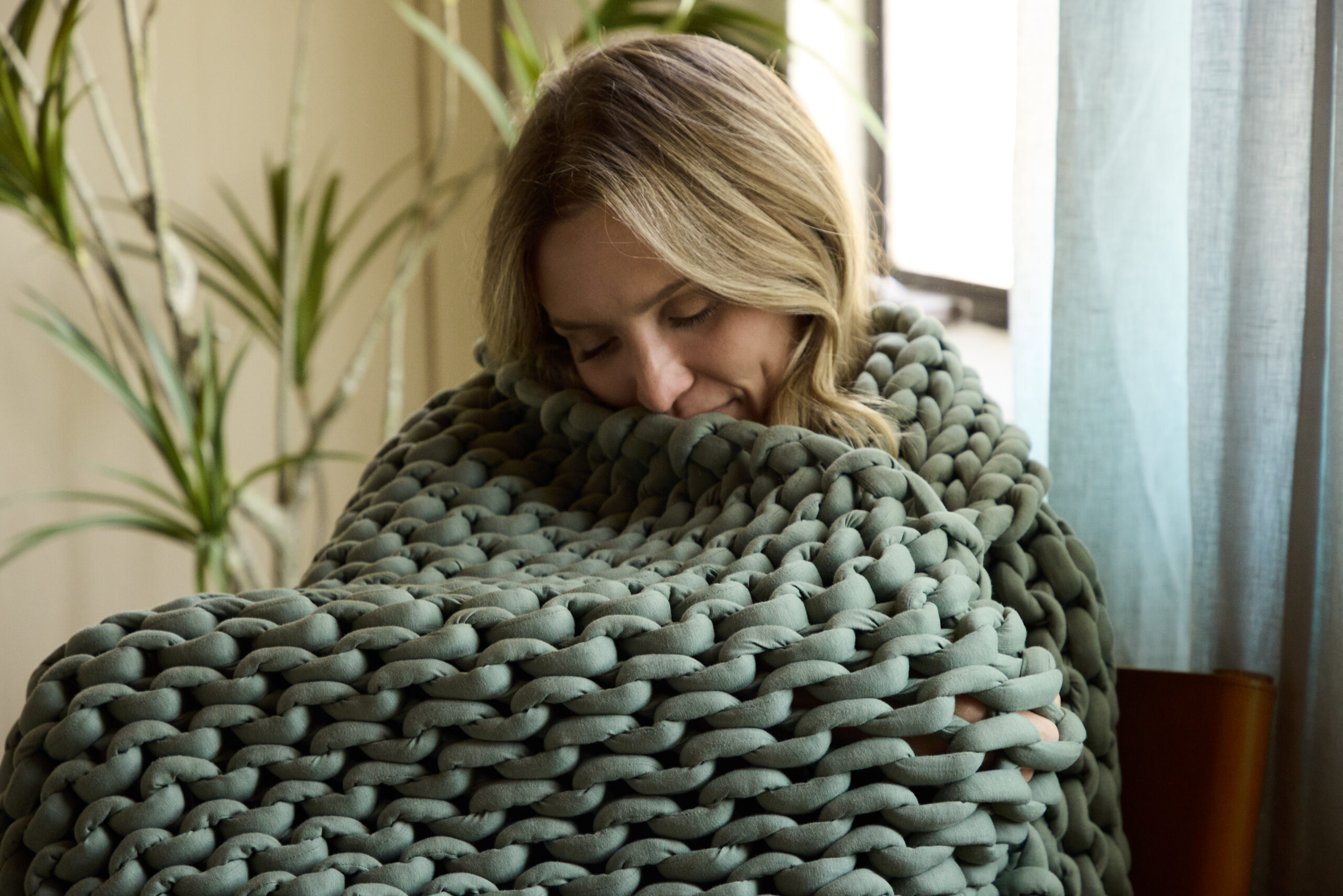
Read more: Nature’s Touch: Enhancing Sleep Quality Through Biophilic Design.
Have feedback on our story? Email [email protected] to let us know what you think!
Shop Pillows
The Essential Organic Pillow Collection
Gentle, breathable, non-toxic support.