



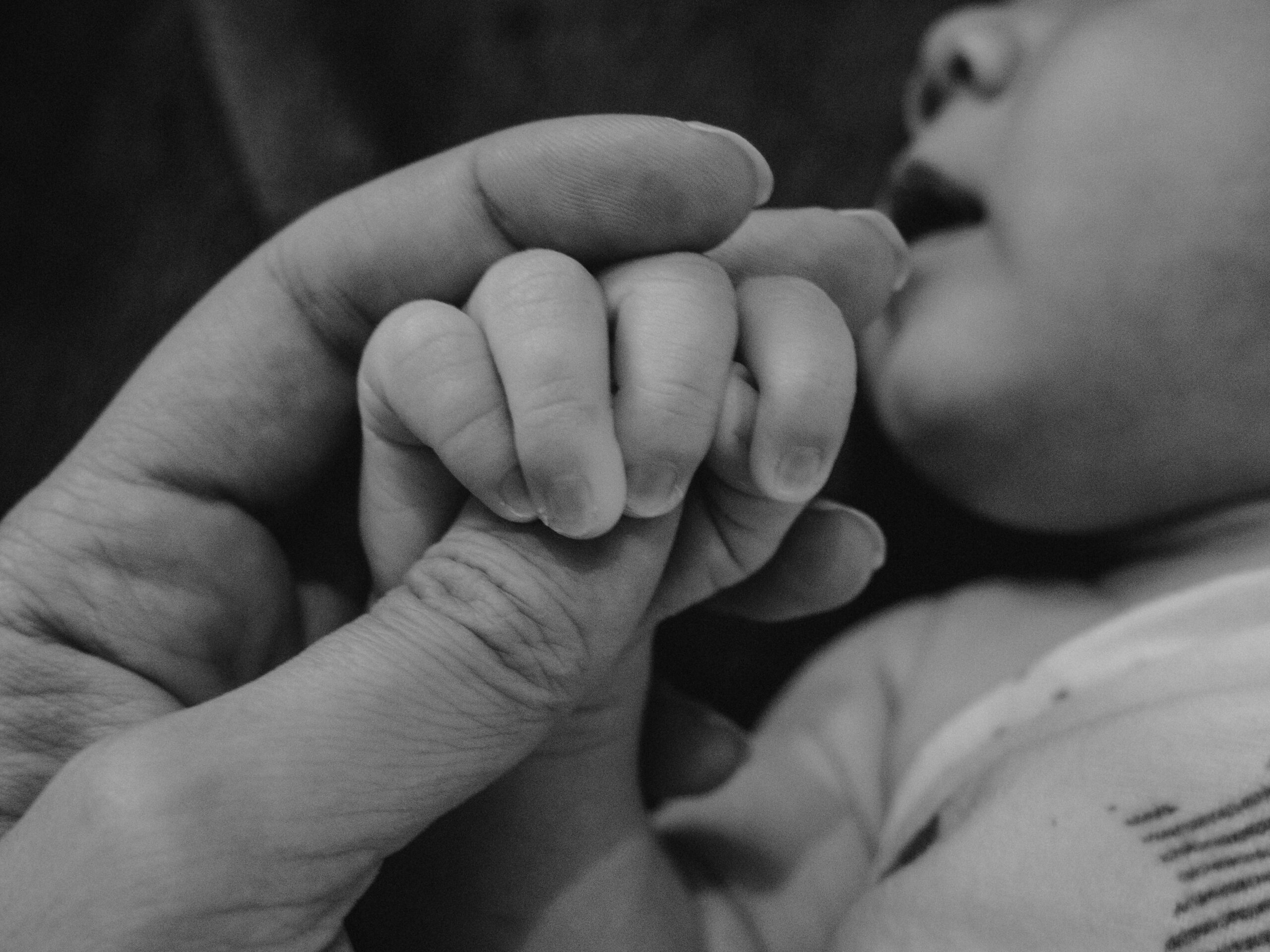



Spend time around a newborn and one thing becomes clear very quickly: babies sleep a lot. But rarely when you expect them to. Naps happen in short bursts, nighttime sleep can feel like a moving target, and just when a routine seems to form, it shifts again.
One week, a baby might sleep in neat little windows. The next week, those windows disappear entirely. For many parents, the unpredictability can feel confusing, even a little alarming (and a lot frustrating).
But according to sleep science and evolutionary biology, infant sleep may actually be working exactly as it’s supposed to.
In fact, the way babies sleep (lightly, frequently, and in shorter cycles) can reveal something fundamental about how human sleep evolved in the first place. Understanding those patterns doesn’t just help explain why newborn nights can feel chaotic. It can also shed light on how humans, at every age, are biologically wired to rest.
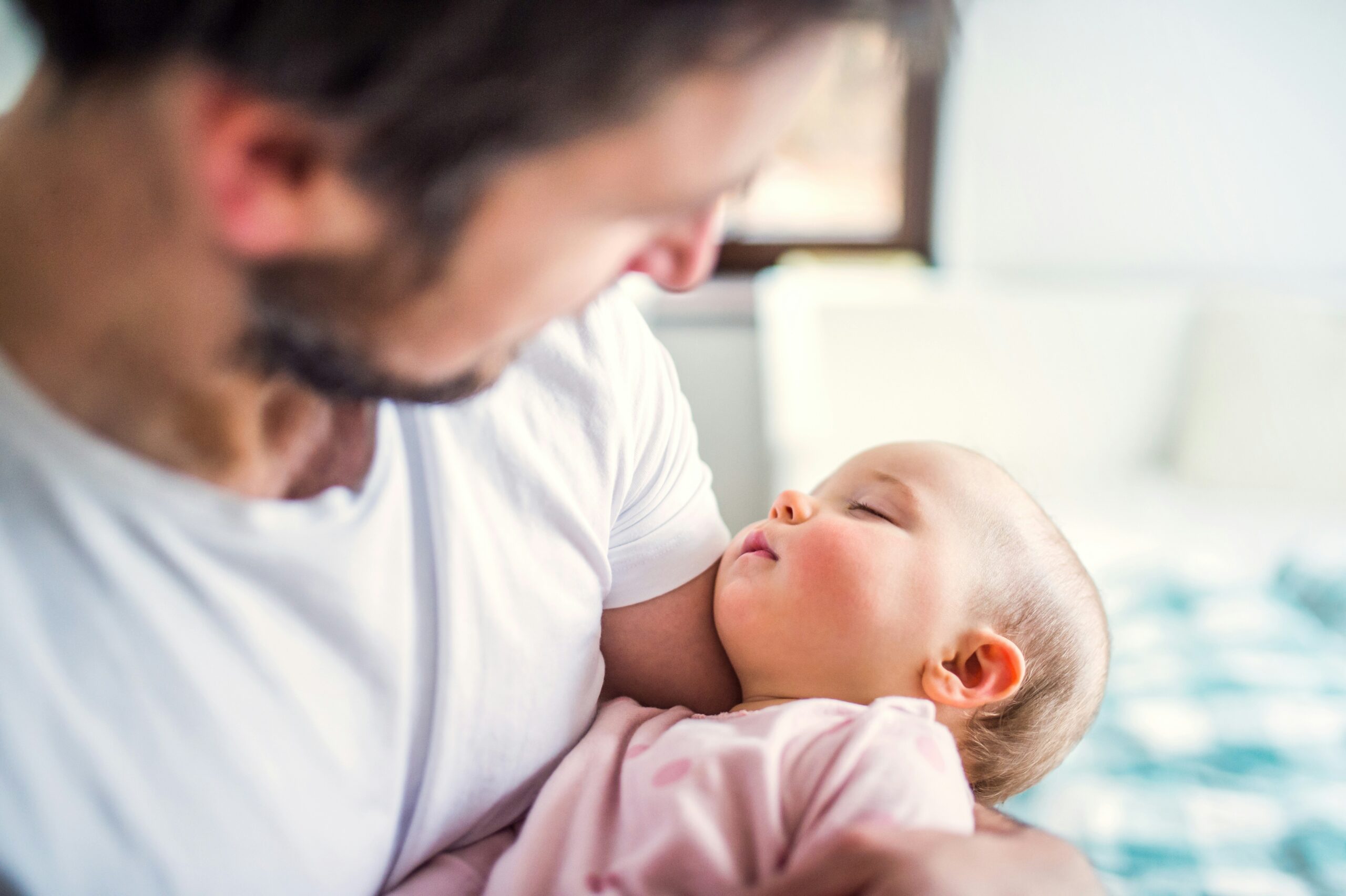
Read more: What Makes a Sleep Space Safe For Babies?
Why Babies Wake So Often
One of the biggest surprises for new parents is how often babies wake up.
Adults tend to think of sleep as one long, uninterrupted stretch. Ideally, somewhere in the seven-to-nine-hour range, ideally without waking up to check the clock, the dog, or a sudden craving for water. Infants, however, operate on a completely different rhythm.
Newborn sleep cycles typically last around 40 to 50 minutes, roughly half the length of adult sleep cycles. Instead of moving through several sleep stages over the course of the night, babies cycle more quickly between lighter and deeper sleep states.
Because these cycles are shorter, babies naturally wake, or partially wake, more often. In other words, the pattern that feels like a “sleep problem” to adults may simply be their biological design working as intended.
In many cases, these wake-ups serve important functions. Babies may wake to feed, regulate their body temperature, or simply confirm that a caregiver is nearby. From an evolutionary perspective, frequent waking may have helped ensure that infants remained close to adults who could provide warmth, protection, and nourishment.
Which means that what feels like a modern inconvenience may actually be a very old survival strategy.
While the pattern can feel exhausting for parents, it reflects a basic reality of human development: compared with many other species, human infants are born remarkably dependent. Essentially, they’re not bad sleepers; they’re just very committed to staying alive.
The Evolutionary Roots of Human Sleep
From an evolutionary standpoint, humans occupy a slightly unusual place among mammals.
Compared with other primates, human babies are born relatively early in their developmental timeline. Their brains continue to grow rapidly after birth, which means a large portion of neurological development occurs during infancy.
Sleep plays a major role in that process.
Researchers believe that infant sleep supports the rapid formation of neural connections in the developing brain, helping babies process sensory input, recognize patterns, and begin forming early memories. Because the brain is undergoing such rapid change, sleep tends to be lighter and more flexible during this stage of life.
Frequent waking may also have offered an evolutionary advantage. In ancestral environments where temperature changes, predators, or separation from caregivers posed real risks, lighter sleep may have helped infants stay responsive to their surroundings.
Seen through that lens, the unpredictable nature of infant sleep begins to look less like a flaw and more like a really smart strategy.
Which doesn’t necessarily make the 3 a.m. wake-ups easier, but it does make them slightly more understandable. And slightly less personal.
The Long And Winding Road to Adult Sleep
Another reason babies sleep differently from adults is that their circadian rhythm is still under construction.
The circadian rhythm is the body’s internal biological clock that regulates sleep and wake cycles over roughly 24 hours. In adults, this system coordinates hormones like melatonin and cortisol, signaling when it’s time to wind down and when it’s time to wake up.
Newborns, however, don’t arrive with that system fully operational.
Instead, their internal clocks gradually begin to sync with environmental cues, such as changes in daylight and nighttime darkness, over the first several months of life. Until that process unfolds, sleep tends to happen in shorter bursts throughout both day and night.
Which explains why many newborns seem perfectly comfortable taking a nap at 2 p.m., another at 6 p.m., and another at midnight—as if the concept of “bedtime” simply hasn’t been introduced yet.
Over time, exposure to natural light, consistent routines, and predictable caregiving patterns helps the circadian system mature. By around three to six months, many babies begin developing clearer distinctions between daytime and nighttime sleep.
In other words, the rhythms adults take for granted are something babies have to learn.

Read more: The Witching Hour is Real: What Happens in Your Body Between 3-4 a.m.
What Infant Sleep Tells Us About Human Biology
If infant sleep feels chaotic compared with adult sleep, it may partly be because modern lifestyles have shifted our expectations of what rest is supposed to look like.
Today, sleep is often framed as something to perfect. Something to tweak, track, and somehow get exactly right. We track our sleep with apps, analyze it with smart watches, and occasionally judge it by a morning score out of 100. Nothing like starting your day with a performance review from your own body.
But the biological foundations of sleep developed long before smartphones, electric lighting, or modern work schedules.
Infants offer a useful reminder that sleep is deeply responsive to the environment.
Light levels, temperature, sound, and emotional safety all play a role in shaping how easily the body can relax into rest. When these cues align with our biology, sleep tends to come more naturally. When they don’t, the body often resists.
Even in adulthood, disruptions to these signals. Late-night screen exposure, irregular schedules, or overheated sleep environments can make it harder for the brain to transition into deeper stages of sleep.
In that sense, infant sleep isn’t just a developmental phase. It also reflects a broader truth about human rest: sleep works best when the environment supports it.
Creating a Safer Sleep Environment
While infant sleep patterns may be biologically normal, creating a safe sleep environment remains one of the most important ways caregivers can support healthy rest.
Public health initiatives like Safer Sleep Week emphasize several evidence-based practices designed to reduce sleep-related risks for babies.
These include placing infants on their backs to sleep, using a firm and flat sleep surface, and keeping the crib free of loose bedding or soft objects that could obstruct breathing.
Environmental factors also matter.
Babies regulate body temperature less efficiently than adults, so overheating can be a concern in sleep environments that trap heat or limit airflow. Because of this, pediatric sleep guidelines often recommend dressing infants in light sleep clothing and maintaining room temperatures comfortable for a lightly clothed adult.
Simple sleep spaces—firm mattresses, breathable materials, and minimal bedding—help create an environment that supports both safety and rest.
While these recommendations may look minimal compared with traditional nursery designs, their simplicity is intentional. A clear sleep space reduces hazards while allowing babies to breathe and move freely during sleep.
Which, in the world of infant sleep, is often exactly the point.
A Different Way of Thinking About Sleep
For exhausted parents, it can be tempting to view infant sleep as something that needs fixing.
But from a biological perspective, babies may not be broken sleepers at all.
Instead, their sleep patterns reflect a stage of development where growth, brain development, and caregiver proximity all play essential roles. Night wakings, short sleep cycles, and shifting routines are part of a system designed to support survival and learning during early life.
Understanding that context doesn’t necessarily make the sleepless nights easier.
But it can offer a different perspective on why infant sleep looks the way it does and why supporting safe, comfortable sleep environments matters so much in the early months of life.
In the end, babies may simply be reminding us of something adults often forget:
Sleep isn’t just about duration or efficiency.
It’s about biology, environment, and the conditions that allow the body to rest safely in the first place.
Read more: The End of Perfect Homes: Designing Spaces That Actually Support You
Have feedback on our story? Email [email protected] to let us know what you think!

Shop Pillows
The Essential Organic Pillow Collection
Gentle, breathable, non-toxic support.