







The emails have been sent. Your laptop is shut. The Slack pings have gone mercifully silent.
Technically, the workday is over, but your brain hasn’t gotten the memo.
You’re still mentally editing tomorrow’s to-do list, still replaying that one awkward meeting, still hovering somewhere between productivity and paralysis.
If you’ve ever felt like it takes longer to unwind than it does to finish your last email, you’re not alone. The modern workday bleeds into everything, and that fuzzy overlap between hustle and home is where burnout tends to build.
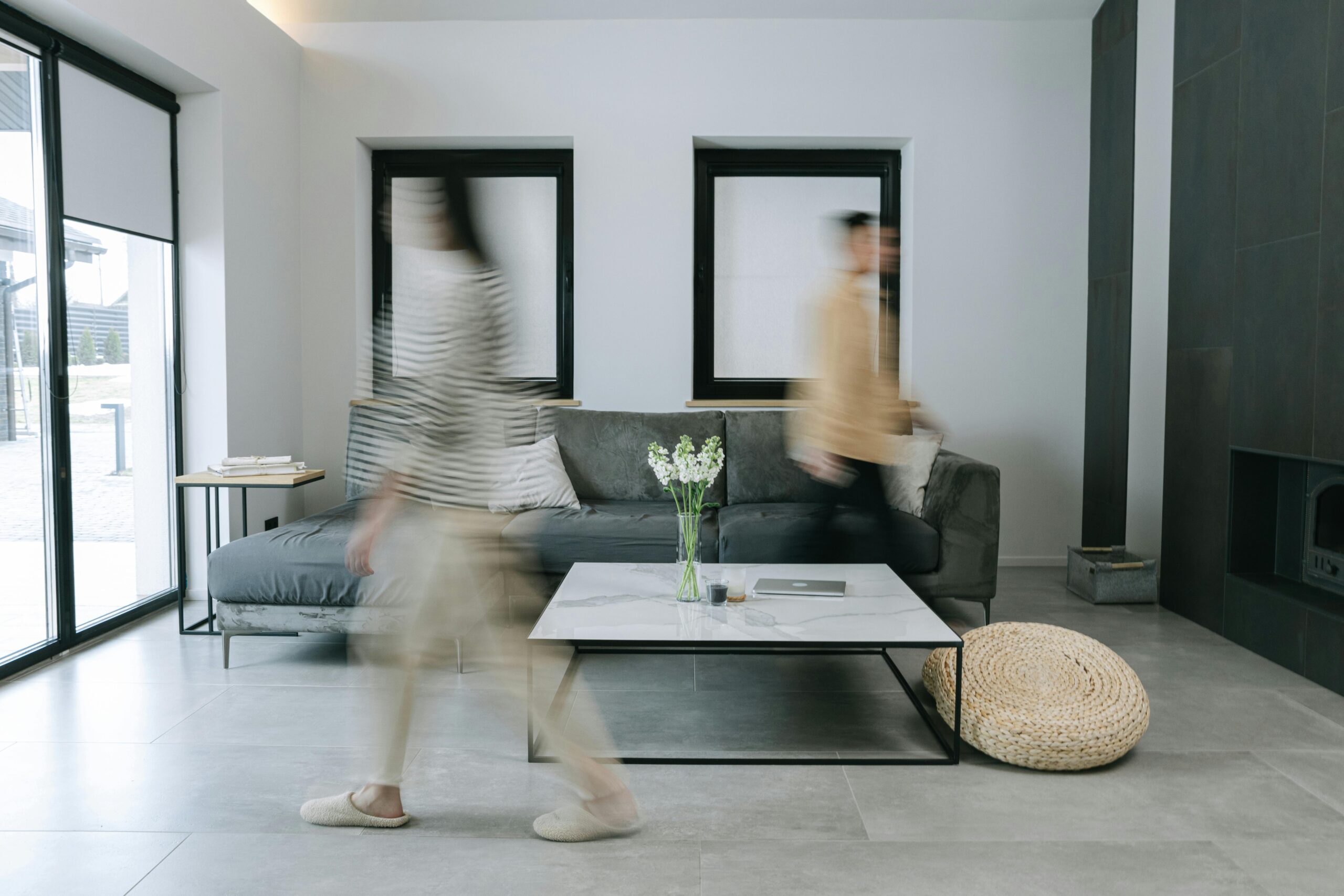
The secret isn’t just to rest, it’s to create a transition between clocked on and clocked off. A little mental bridge that helps you ease off the gas instead of slamming on the brakes. Think of it as your cozy commute, even if the only thing separating your “office” and your couch is ten paces and a pile of laundry.
Read More: How to Combat Workplace Anxiety and Burnout
First, a Quick Brain-Dive
Because you know we love a little science, let’s start with what’s actually happening in your brain when you’re trying to turn off.
Psychologists call it psychological detachment, the ability to mentally disconnect from work once it’s done. Which is not about ignoring your job, it’s about giving your brain the space to recover. Studies show that when we fail to detach, stress hormones stay elevated, creativity drops, and sleep quality nosedives.
Commuting used to help with this. The time spent driving, walking, or riding home acted as a natural cool-down. Even a short trip gave our minds a chance to shift gears. But as more of us work from home, that buffer has vanished. Without some sort of ritual or boundary, we risk carrying the day’s energy straight into the night, which means our bodies never truly get the rest they deserve.
Research on virtual commutes shows that even small, symbolic rituals, like a walk around the block or a quick journal entry, can restore that separation and support emotional recovery. So if you’ve been wondering why it’s hard to turn off, it’s not your lack of discipline—it’s biology. You just need to build a bridge back to yourself.
Step One: Reclaim the Commute
Start by recreating that missing middle ground—that stretch of time that says the workday is over, and the rest of the day begins now.
For some, that’s a literal commute. If you drive, crank up your favorite playlist and sing (loudly, badly, joyfully) until your voice and shoulders both feel looser. There’s something about being loud, about taking up space after a day of self-containment, that helps shake out stuck emotion. Think of it as an audible release for everything you held in all day. Or, try pausing before stepping out of the car when you get home…sit for one song with your eyes closed, or just breathe deeply for thirty seconds. Those moments of stillness, however small, are powerful cues that your day is shifting, and your mind can follow.
If you walk or take transit, resist the urge to scroll. Instead, let your eyes and mind wander. Notice the sunset, the chatter of a passing conversation, the faint smell of something cooking. Tune in to your five senses: the weight of your body in your seat or under your feet, the feel of your clothes against your skin, the rhythm of your breath. These small check-ins are like anchors to the present moment and will help you move out of the spiral of thoughts in your mind.
For those working from home, the commute can be symbolic: shut your laptop, change rooms, stretch, or take a quick lap around the block. When the weather isn’t walk-friendly, I’ll often head to a yoga or workout class because for me, getting my body moving again is the best cue.
The key is movement and mindfulness, not mileage. Whether you’re belting out lyrics in traffic, breathing in cool evening air, or rolling out a yoga mat, you’re creating a “commute” between doing and being.

Read More: Easy Breathwork Techniques for Better Sleep
Step Two: Cue the Shift
Once you’ve built that buffer, layer in signals that tell your body: We’re off duty now. Humans are deeply habitual creatures—we respond to cues. Just as the smell of coffee wakes us up, or the buzz of an alarm jolts us into action, certain sensory triggers can mark the start of rest.
For me, it starts with what I wear. The moment I get home or my workday ends, I change into something soft and roomy. Think warm, soft sweats or cozy modal that drapes just right. There’s something ceremonial about it, like shedding the day’s armor. The simple act of changing clothes can have a measurable impact on stress response; it’s the physical equivalent of closing a tab.
Scent is another cue worth experimenting with. Try lighting a candle or palo santo, diffusing lavender or sandalwood, or even misting your pillow with a natural spray. Your brain will start to associate that aroma with calm. Light can work similarly, dim the overheads and turn on a warm lamp, or swap your desk brightness for something candle-soft.
Maybe your ritual involves a cup of herbal tea or rinsing off in a steamy shower. Whatever the cue, consistency is what matters most. You’re teaching your nervous system a new language, one where rest becomes a reflex, not a reward.
Step Three: Anchor with Ritual
Once you’ve created your buffer and cues, let yourself land in the part of the day that often gets lost between work and bed. This is where you get to actually live in the space you’ve made.
Dinner, for instance, can be its own kind of meditation…a way to use your hands and senses after a day spent in your head. Chop slowly, stir deliberately, breathe in the steam and spices. When it’s time to eat, sit down. Put your phone away. Taste everything. Chew slowly. Notice the warmth of the food, the texture, the taste of each bite. This is your body shifting into “rest and digest,” your nervous system’s cue that it’s safe to slow down.
After dinner, do something that fills you up in a different way—time with a partner or pet, reading, tidying, or just being horizontal on the couch with a show that doesn’t demand too much from you. These pockets of calm connection remind your nervous system that you’re safe to relax.
Return to yourself
And when you’re finally ready to wind down for the night, re-anchor your body and mind in the present moment before your thoughts start running toward tomorrow.
Lean into your nighttime comforts, maybe a warm bath with soaking magnesium flakes, or reading a few chapters of a good book under low light. These small rituals are sensory lullabies, signals to your body that it’s time to let go.
By now, your mind has followed the body’s lead, so when you climb into bed, you notice the feel the cool sheets against your skin, the steady rhythm of your breath, the faint hum of the night. You might even be called to rest a hand on your chest or belly and take a few deep breaths, silently repeating: I am breathing in, I am breathing out.
Now, you haven’t just built a bedtime routine, but a soft landing strip between the noise of the day and the quiet of the night.

Read More: Why the “Sunday Scaries” Might Feel Worse Lately and How to Combat Them
Have feedback on our story? Email [email protected] to let us know what you think!

Shop Pillows
The Essential Organic Pillow Collection
Gentle, breathable, non-toxic support.