




It happens every year…
The holidays arrive, and suddenly everything multiplies. Shopping lists, gift piles, decorations, social obligations, expectations. Somewhere between the “must-haves” and the “limited-time-onlys,” it becomes easy to forget what we actually want.
But this season, something quietly radical is happening: people are choosing less.
It even has a name that’s taken on a life of its own across TikTok and Instagram: underconsumption core. Think minimal spending, mindful collecting, slower purchases, and opting out of the pressure to constantly accumulate.
It’s resonating for a reason. The trend isn’t about deprivation; it’s about alignment—with values, budgets, the planet, and our own nervous systems.
Let’s break down what underconsumption really means, why it’s picking up momentum this year, and how to practice it in a way that feels grounded and doable.

Read More: 8 Ways to Make the Holidays More Sustainable
What Is Underconsumption, Really?
At its core, underconsumption is about intention.
It’s saying:
I’m buying fewer things, but choosing the right things. I’m gifting more thoughtfully, decorating more simply, and celebrating in a way that feels aligned, not excessive.
It’s a reaction to years of “more, more, more,” but also a recognition that quality and meaning matter more than volume. It’s replacing the impulse to accumulate with a desire to curate.
And in a season that can feel like a runaway train of purchases, promotions, and packaging, it makes sense that a quieter counter-trend is finally catching wind.
Why It’s Resonating This Holiday Season
1. Financial reality is shaping how we shop.
People are more strategic with spending right now, especially during the holidays. Underconsumption leans into that by shifting focus from quantity to longevity—fewer, higher-quality things instead of multiple fast, forgettable purchases.
2. We’re tired, and our nervous systems are calling the shots.
More stuff means more clutter, more decisions, more storage, more noise. Underconsumption offers permission to simplify. To not buy the décor that will end up in a donation bin or worse, the trash. To skip gifting for gifting’s sake. To give ourselves a break from the pressure.
3. Sustainability isn’t a niche value anymore.
People want their purchases to mean something not just for the recipient but for the planet. Buying less (and choosing better) is one of the most straightforward ways to reduce waste during the highest-waste season of the year.
4. Emotional clarity > consumer fog.
Underconsumption is really about connection: choosing gifts that are thoughtful, choosing traditions that matter, choosing decorations that feel grounding rather than overwhelming. It’s an emotional reset disguised as a shopping trend.
How to Practice Underconsumption Without Feeling Deprived
The goal here isn’t to become an extreme minimalist or to pretend you don’t love a festive holiday moment. It’s about bringing awareness to your choices and noticing what feels genuine versus performative or obligatory.
Here are gentle, human ways to embrace underconsumption this season:
Choose Decorations That Last (and Last…and Last)
Underconsumption doesn’t mean avoiding décor altogether; it’s just about shifting your relationship to it.
Instead of buying new themed décor every year, try choosing pieces that feel timeless and reusable. A sprig of greenery, a strand of warm lights, a simple table setting with natural textures—these small, enduring touches feel more grounding than a whole cart of themed items you’ll want to replace year after year.
The trend isn’t suggesting that you shouldn’t decorate. It’s suggesting that you decorate in a way that feels like you, not like a trend cycle.
Curate, Don’t Accumulate
This is where the trend shines.
Curating looks like:
- Buying fewer gifts, but choosing ones that are built to last.
- Hosting smaller, more intentional gatherings.
- Selecting one small décor update instead of a full seasonal overhaul.
Extra stuff doesn’t necessarily create extra magic, in fact, it usually does the opposite. A few meaningful choices go further than a whole fleet of impulse purchases.
Invest in Longevity (Your Wallet & the Planet Will Thank You)
If underconsumption has a love language, it’s durability. The idea is simple: Buy fewer things, but make them high-quality enough that you won’t need to replace them for years.
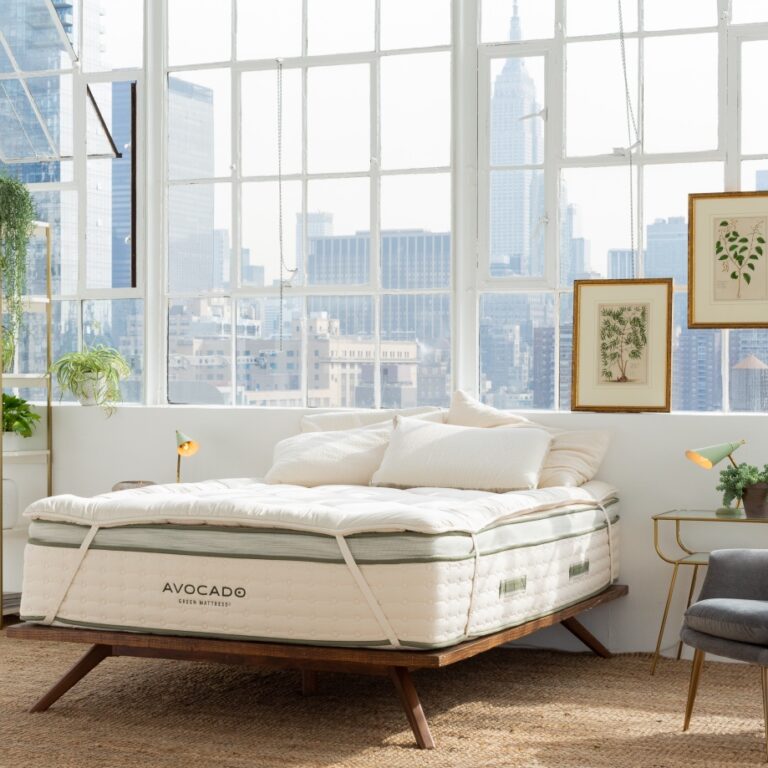
That’s where brands committed to natural, long-lasting materials fit in, and where Avocado naturally lives.
Avocado’s products are designed with longevity in mind:
- Mattresses made with GOLS organic latex and GOTS organic cotton that hold up for decades, not seasons.
- Bedding and towels crafted from natural fibers that don’t pill or thin out after a year.
- Furniture designed to look timeless and hold up just as long.
- Even pet products like the organic dog beds and wood frames are built intentionally to outlast the synthetic versions that flatten and fray quickly.
Underconsumption doesn’t mean buying nothing. It means buying better. Things that don’t need constant replacing.
Read more: How to Balance Rest & Celebration This Holiday Season
Gift With Intention (Not Obligation)
The underconsumption mindset means shifting from automatic gifting to intentional gifting. And honestly? This is where the trend feels the most joyful.
Instead of buying something just to have something, people are getting creative. Crafting, cooking, thrifting, and personalizing gifts that feel thoughtful rather than transactional. It’s less about spending and more about meaning.
Some of the most charming underconsumption-inspired gifts this year are homemade or secondhand:
A thrifted find paired with something homemade:
Your favorite butter dish from the vintage aisle paired with a stick of homemade butter.
A secondhand jar paired with homemade jam.
A pretty thrifted bowl paired with a handwritten family recipe and the dry ingredients to make it.
Think small, thoughtful pairings that feel personal, not mass-produced.
Edible or consumable gifts (aka zero clutter):
Jars of soup mix, homemade granola, spiced nuts, infused olive oil, or a loaf of bread wrapped in simple linen. These gifts nourish instead of taking up space.
Handmade crafts that feel like an extension of you:
Painted tapered candlesticks
Homemade beeswax wraps
A crocheted hat or scarf
A simple beaded keychain, or sunglasses croakie
A hand-sewn apron, or tote bag
Nothing needs to be perfect—the charm is the imperfection of it being handmade.
Everyday gifts elevated with intention:
Last year, I gifted my dad a five-pack of his favorite legal pads (something he uses constantly) and slipped handwritten notes and doodles onto random pages throughout the stacks. Little moments of joy tucked into something he already needed.
That’s underconsumption at its best: a gift that’s used, loved, and discovered slowly.
When we take the pressure off gifting, space opens up for creativity, sentiment, and delight. It’s not about doing the most; it’s about offering something that feels true to the giver and the receiver.
Here, Meaning Matters More
If the last few years have taught us anything, it’s that what we value most isn’t the stuff, it’s the people, the moments, the comfort, the rituals, the rest. Underconsumption is trending because it brings us back to that.
It gives us permission to buy less, choose better, and live more slowly in a season that usually asks us to sprint.
And when we do choose to buy something—a well-made gift, a piece of décor that will show up on our family tables for years to come—we can choose it with clarity and intention.
That’s the heart of underconsumption: Not needing more to feel more.
Just choosing what genuinely matters.

Read More: How to Host an Eco-Friendly Holiday Party
Have feedback on our story? Email [email protected] to let us know what you think!
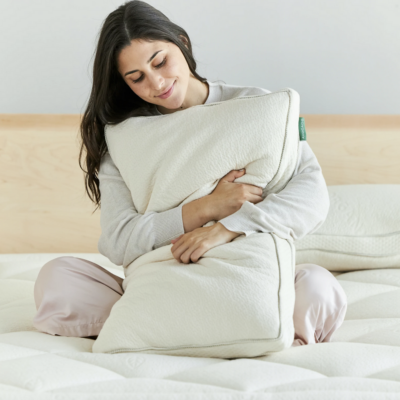
Shop Pillows
The Essential Organic Pillow Collection
Gentle, breathable, non-toxic support.