




There may never be a true fountain of youth—or a magic pill that guarantees immortality—but today’s longevity trends aren’t for lack of trying. We track our sleep scores and stress levels, test biomarkers, monitor bone density and VO2 max, and optimize every corner of our routines. Supplements, peptides, hormone therapy, IV drips, cold plunges, sauna sessions, red light therapy—the list keeps growing, all in the name of the long game: extending healthspan, not just lifespan.
Feeling healthy, energized, and mentally sharp is all well and good, but have we gotten so caught up in trying to live longer and live better that we’ve lost sight of the bigger picture? In our effort to slow the biological clock, have we forgotten to actually live and enjoy life? After all, life isn’t meant to be treated like a never-ending improvement project. It’s meant to be felt, savored, and shared.
So I asked experts: How can we make life feel fuller and more meaningful now while supporting the kind of long-term health that helps us thrive for years to come? Here’s what they had to say.
Protect Your Sleep
Quality sleep is basic wellness 101 that we tend to underestimate—that is, until we’re not getting enough of it. As kids, we fought naps and 8 p.m. bedtimes. Now, many of us treat solid sleep like a luxury, trying to biohack our way to truly restorative rest. Because after just one restless night, the irritability, anxiety, and brain fog are hard to ignore.
But there’s so much more to sleep than simply feeling rested. Dr. Mao Shing Ni, a 38th-generation doctor of Chinese medicine and leader in integrative and longevity-focused healthcare, describes chronic sleep deprivation as one of the fastest accelerators of aging. During deep sleep, memories are processed and stored, the brain clears out waste, hormones rebalance, and the immune system resets. “Modern research now shows that sleep is actually active biological maintenance,” Dr. Mao says. Consistently poor sleep, he adds, is strongly associated with cardiovascular disease, obesity, cognitive decline, and shortened lifespan.
Sleep doesn’t just influence the number of years we get to live; it shapes how we show up to our lives while we’re here. When we’re well-rested, we’re more present. More at ease. More capable of joy, creativity, and connection.
Dr. Nissa Keyashian, a psychiatrist and author of Practicing Stillness, points out that many of us tie our worth to productivity and have internalized the idea that rest is “lazy.” As a result, rest is often seen as something we need to earn rather than a basic biological need. But prioritizing sleep and recovery is one of the most foundational ways we can nurture both longevity and overall well-being.
“Proper sleep hygiene, like going to bed and waking up at the same time each day, promotes wellness and gives you the foundation needed to cultivate a healthy lifestyle,” says Dr. Carolina Estevez, a psychologist at SOBA New Jersey. Other small shifts can include creating a wind-down routine, keeping your sleep environment cool, and limiting heavy meals and alcohol close to bedtime. Sometimes, though, a fuller life starts with honoring rest without guilt.
Move with Intention
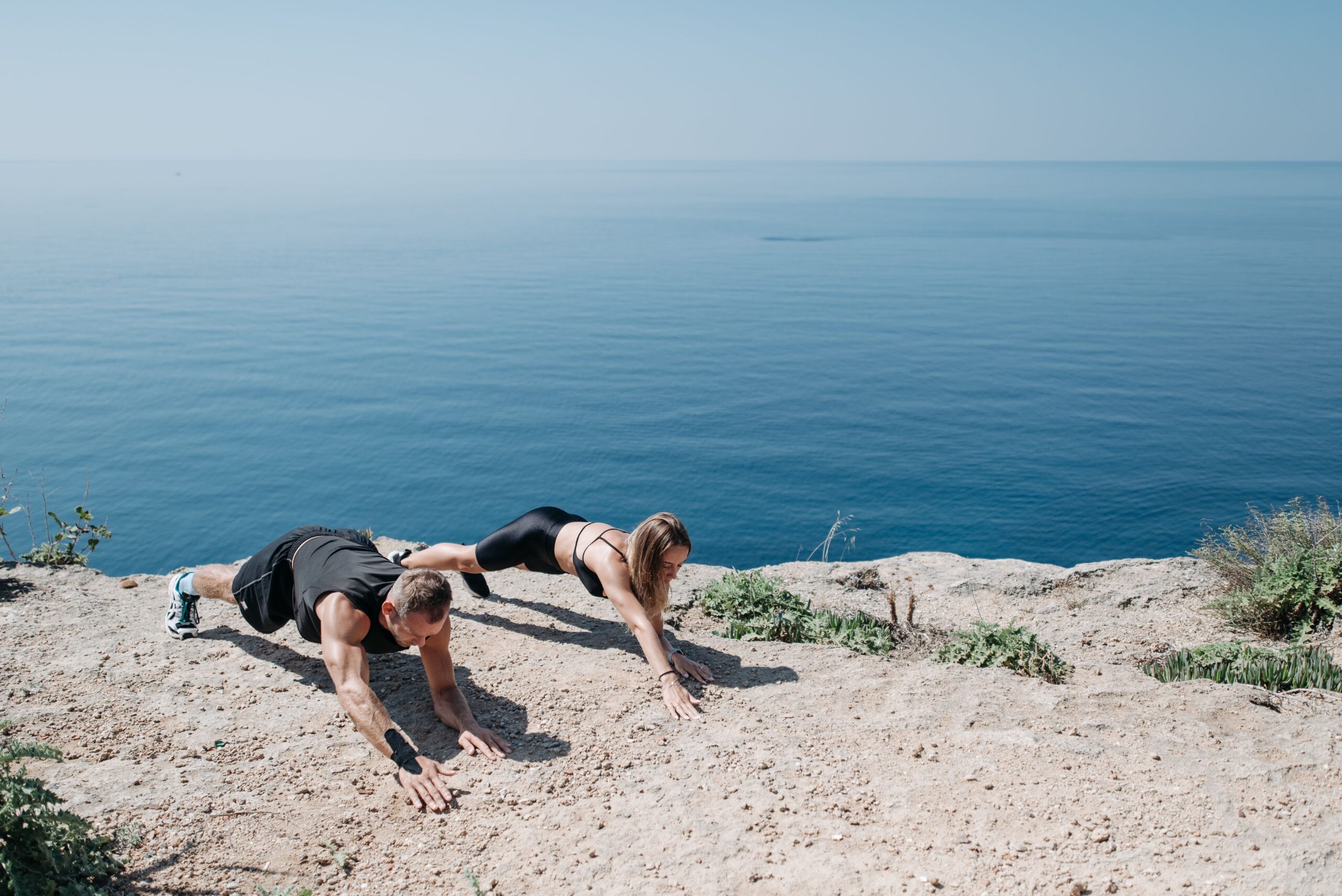
Exercise is a big part of the longevity equation for the obvious physiological reasons: improving cardiovascular health, lowering inflammation and stress hormones, enhancing lymphatic circulation, and regulating blood sugar. “The body is designed for circulation and flow, not stagnation,” Dr. Mao says. “Gentle, consistent movement supports both physical health and emotional balance.” Dr. Estevez explains that movement also stimulates the release of dopamine and endorphins, contributing to feelings of vitality, resilience, and well-being.
But the benefits of moving your body daily extend beyond physical and emotional health; it can also add more life to your years. Studies have found that people who stay physically active have a lower risk of depression and anxiety, along with higher levels of life satisfaction and self-efficacy. Having a workout routine creates structure and can give you a reason to challenge yourself, connect with others through shared activities, and invest in your future self.
Take a page from the Blue Zones—the regions home to some of the world’s longest-living populations—where movement is naturally woven into daily life through habits like walking, gardening, and spending time outdoors. Of course, purposeful forms of exercise count too. Whether it’s strength training, swimming, playing tennis, or taking a Pilates class, regular movement can foster confidence, discipline, and community—all of which can add up to a fuller, more meaningful life.
The key is working out regularly—not excessively. “One of the biggest insights from longevity research is that consistency matters more than intensity,” Dr. Mao says. “The healthiest populations tend to move throughout the day rather than relying only on extreme workouts.”
Read more: The Rise of Social Wellness—and Why We Need It Now
Cultivate Strong Relationships
Longevity isn’t a solo pursuit. In fact, one of the strongest predictors of a long and happy life has little to do with fitness, genes, or social class and everything to do with our relationships.
The Harvard Study of Adult Development, the world’s longest-running study on happiness and aging, discovered that the quality of our social connections matters most. Building “social fitness,” the ability to form and maintain meaningful relationships, is just as important as looking after our bodies and minds.
“Love, connection, forgiveness, and community nourish the Heart, which in Chinese medicine houses the Shen, or spirit, and calms the nervous system,” Dr. Mao shares. According to Dr. Mao, strong relationships lower inflammatory markers and stress hormones, emotional closeness improves immune function and resilience, and purpose and belonging are major indicators of healthy aging. Meanwhile, chronic social isolation and loneliness have been associated with higher inflammation levels and even an increased mortality risk comparable to smoking.
Dr. Estevez notes that flexing your social muscles doesn’t have to be elaborate to make a difference. “Frequent interactions with others—whether neighbors, co-workers, or friends—appear to provide greater protection against adverse effects than less frequent but longer duration social interactions,” she explains.
You might notice it in quick exchanges with a neighbor, lunchtime walks alongside a co-worker, or back-and-forth texts in your group chat. These small, simple rituals do more than just make you feel good in the moment; they help shape your long-term overall well-being.
Embrace Novelty
Life can easily slip into autopilot, making it feel like we’re reliving the same day over and over again—almost like Groundhog Day. But seeking out new experiences—trying a different coffee shop, picking up a hobby, or exploring a new place—can spark excitement and make the everyday feel richer.
Research suggests that exposing ourselves to more varied and unfamiliar activities boosts positive emotions and well-being while also supporting stronger brain connectivity tied to memory and reward processing. “Engaging in novel experiences that challenge an individual cognitively slows cognitive decline and enhances neural plasticity,” Dr. Estevez says.
Introducing novelty into your life doesn’t have to go as far as booking an international flight or moving across town. It can look as simple as learning a new language, trying a different workout class, playing games like charades, cooking a recipe you’ve never made before, or saying yes to plans you’d normally hesitate to accept. Breaking routine every now and then means keeping the brain adaptable and life feeling fresh.
Spend Time in Nature
If you’ve ever noticed yourself feeling calmer after a walk outside, more grounded while gazing at the ocean, or recharged as you soak in morning sunlight, it’s no coincidence. Dr. Mao explains that Traditional Chinese Medicine is rooted in the idea that humans are not separate from nature, but rather extensions of it. “Exposure to sunlight, fresh air, trees, oceans, mountains, and natural cycles recalibrates physiology,” he says.
Being immersed in nature has been shown to lower cortisol levels, better mood, concentration, and attention, and reduce risk of premature mortality. And getting morning light helps regulate the body’s internal clock and melatonin production, both essential for sleep quality and emotional well-being.
You don’t need hours outdoors to feel the effects—as little as one minute in nature can be enough to reset and return to yourself. “Even small practices like morning sunlight, eating seasonally, walking outdoors, watching sunsets can improve both mood and biological resilience,” Dr. Mao notes.
When these habits come together, the result is more than living longer and improving how well your body functions—it’s the creation of space for a more purposeful existence. Because as Dr. Mao says, “Longevity is not just the avoidance of disease, it is the cultivation of vitality, adaptability, peace, connection, and harmony with life itself.”

Read more: Green Flags Only: Spotting the Signs of Healthy Love
Have feedback on our story? Email [email protected] to let us know what you think!

Shop Pillows
The Essential Organic Pillow Collection
Gentle, breathable, non-toxic support.