






We’ve been conditioned to believe that movement only “counts” when we’ve hit a certain number: an hour at the gym, 10,000 steps, 500 calories burned. And I bought into it all. If I wasn’t carving out a full hour for a sweaty workout that left me breathless and sore the next day, it wasn’t enough. I figured, what’s the point?
But what if that all-or-nothing mindset is what’s holding us back? Maybe it’s not that we don’t have time to work out—it’s that we’ve been looking at movement the wrong way. When life gets busy, exercise is often the first thing we push aside because we’ve been taught that movement has to be long, intense, and perfectly planned to matter.
That’s the idea behind exercise snacks: small pockets of activity sprinkled throughout the day that make movement feel more approachable and sustainable. In practice, it can be as simple as a set of squats while your morning coffee brews, a few neck and shoulder stretches before you open your laptop, or a walk around the block between meetings.
These mini movement breaks aren’t just another wellness trend—they’re backed by science. Here’s what experts say about exercise snacking, why it works, and how to work it into your day.
Read more: Bedtime Mocktail Series: Watermelon Mint Refresher
What Exactly Are Exercise Snacks?
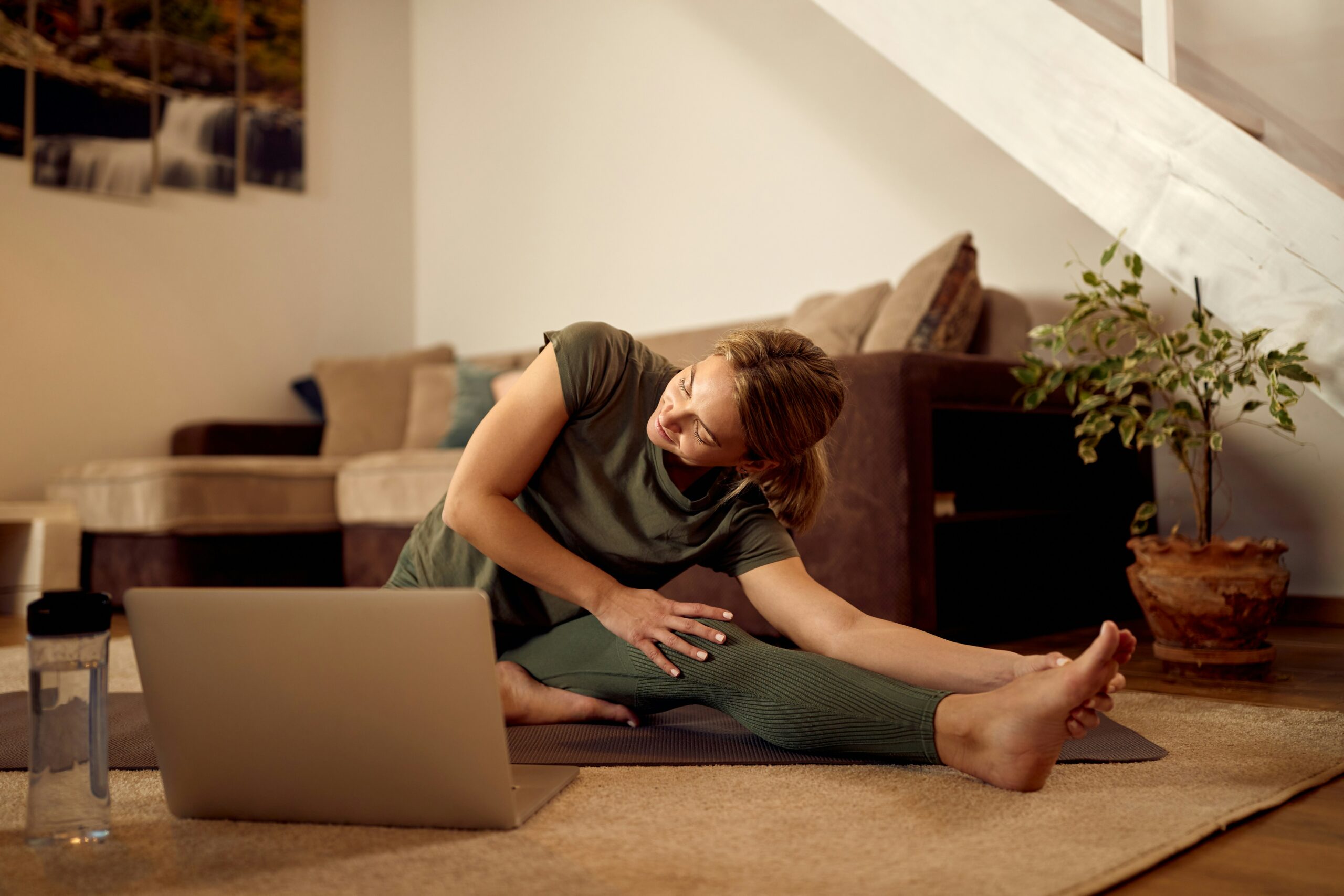
“Exercise snacks are short bursts of movement spread throughout the day, typically lasting between one to five minutes per session,” explains Marwa Ahmed, a NASM-certified personal trainer, running coach, and founder of The BodyMind Coach. “Unlike a structured workout where you set time aside, exercise snacks are integrated movements throughout your day.” It could be a one-minute set of squats every time you get up from your desk, a five-minute stair climb after each work call, running through a quick circuit of seated twists, standing side bends, and calf raises before logging off, or a few push-ups before bed.
While exercise snacks can take many forms, they’re usually higher in intensity, repeated multiple times a day, and cumulative. “When added up over the course of a week, exercise snacks can match the volume of a structured workout,” Ahmed says.
Physical benefits aside (more on that below), she notes that this approach to movement also encourages a gentler reframe of what it means to “work out.” “From a coaching perspective, exercise snacking is more of a mindset shift than anything,” she continues. Instead of questioning, “Do I have time for a workout?” it flips the script to “Where can I fit movement into my day?”
That subtle shift, combined with the positive effects of short, frequent bursts of energy across the day, is what makes exercise snacking one of the most effective and accessible ways to integrate fitness and movement into our busy lives, Ahmed says.
The Power of Moving More Often
So, what are the upsides of exercise snacks? Ahmed breaks them down:
- Improve cardiovascular fitness. These short bouts of moderate to high-intensity activity raise the heart rate quickly, which over time challenges the cardiovascular system, strengthening your heart and improving endurance.
- Increase daily energy expenditure. Mini exercise breaks might seem insignificant, but they add up over the day, increasing how much you burn each day without requiring a carved-out workout window.
- Reduce sedentary time. For anyone spending hours at a desk or in front of a screen (many of us), this one is especially relevant. Exercise snacking helps break up long stretches of sitting, leading to improved posture, better metabolic health, and reduced cardiovascular risk.
- Lower barriers to consistency. Most people don’t stick with hour-long workouts because of the time or effort it takes to do them. Exercise snacks, on the other hand, are woven into your day, making it easier to create a sustainable habit of moving more often.
- Support mental clarity and mood. Exercise snacks boost circulation and oxygen delivery to the brain, along with the release of mood-regulating neurotransmitters. Many people say they’re more focused or have more energy after just a few movement breaks.
- Preserve muscle mass. Resistance-based exercise snacks like squats, push-ups, and lunges help maintain muscle mass—and can even lead to muscle gains when done regularly. This is critical for healthy aging and reinforcing long-term metabolic and cardiovascular health.
- Promote blood sugar regulation. When you move your body as the day goes on, it helps move glucose out of the bloodstream and into the muscles, supporting insulin sensitivity. Muscles are the biggest site of glucose uptake in your body, allowing it to respond to food more efficiently, especially after meals.
Read more: 7 Healthy Late Night Snacks For Better Sleep
How Exercise Snacks Stack Up Against One Long Workout
While the idea of weaving movement throughout the day isn’t anything new, research on exercise snacks has grown in recent years—and the findings are promising. A 2022 study found that as little as three to four minutes of vigorous intermittent activity each day was associated with a significantly lower risk of all-cause, cardiovascular, and cancer mortality—benefits comparable to longer, structured workout sessions. A 2025 meta-analysis also showed that 83 percent of participants stuck with exercise snacking for up to three months, suggesting that one of its stand-out strengths may be its sustainability.
Still, Ahmed doesn’t see exercise snacks as a replacement for traditional workouts, but rather a complement to them.
She says exercise snacks are best suited for older adults and people who are just starting out—groups that research has seen the greatest improvements in. “For these populations, something is far better than nothing, so the impact was much more positive,” Ahmed notes. Exercise snacks also offer something conventional workouts don’t: They help break up sedentary behavior and make consistent movement more attainable for people with busy schedules.
Full-length workouts, however, deliver advantages that you can’t get from bodyweight exercise snacks alone. If your goal is to get stronger, increase muscle mass, or improve bone density, progressive strength training through compound movements—like deadlifts, squats, overhead presses, and rows—that involve longer workouts is still essential.
So which approach comes out on top? If the alternative is not moving at all, Ahmed would choose exercise snacks as an effective jumping off point. But if you’re looking to build muscle and strength and improve overall fitness, pairing regular exercise snacks with a few structured workouts each week brings the best of both worlds.
“The most common misconception I see people fall into is that they need a full 60-minute workout to get the benefits of structured training,” Ahmed says. “You don’t need a perfect one hour block. You don’t need a gym, and you don’t need equipment to start. You just need to start somewhere and gradually expand it.”
That’s the beauty of exercise snacks: Small doses of movement have a way of building momentum. A few minutes today can become a 10-minute workout tomorrow, then 30 minutes next week, and so on. And before long, staying active feels second nature. More often than not, the hardest part isn’t finding the time to exercise—it’s simply taking that first step.
How to Make Exercise Snacks Part of Your Daily Rhythm
Exercise snacking meets you where you are. You work with the time you have and choose movement that feels good in your body. There are no hard-and-fast rules or one “right” way to do it. But if you’re looking for inspiration, Ahmed shares some ideas to get you started:
- Make the most of your mornings. Many of us have five or 10 minutes to spare in the morning that might otherwise be spent pressing the snooze button, scrolling our phones, or checking emails. Use that time to get in a round of bodyweight squats, lunges, and stretches to wake up the body.
- Take a post-meal stroll. In Italy, la passeggiata—a leisurely after-dinner walk—is a longstanding tradition that encourages connection and digestion. Research found that even a few minutes of light walking after eating can significantly reduce post-meal blood sugar spikes compared with staying sedentary. Instead of settling back into your chair or onto the couch after a meal, consider going for a walk around the office or neighborhood.
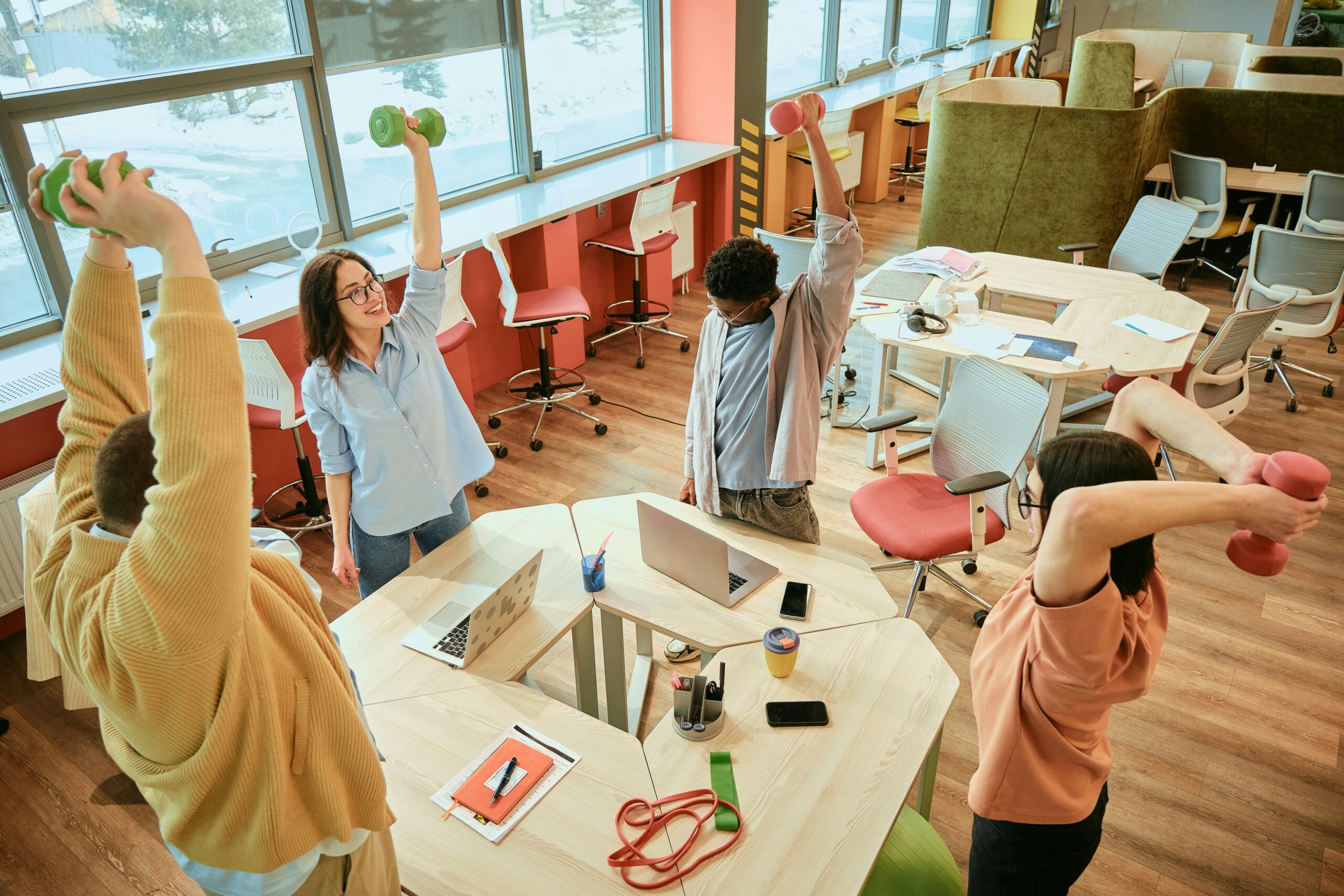
- Schedule reset moments. Set an alarm every two to three hours as a reminder to stand up and move for 60 seconds. That could look like a minute of jumping jacks, desk push-ups, or tricep dips, or a 10–30-second wall sit.
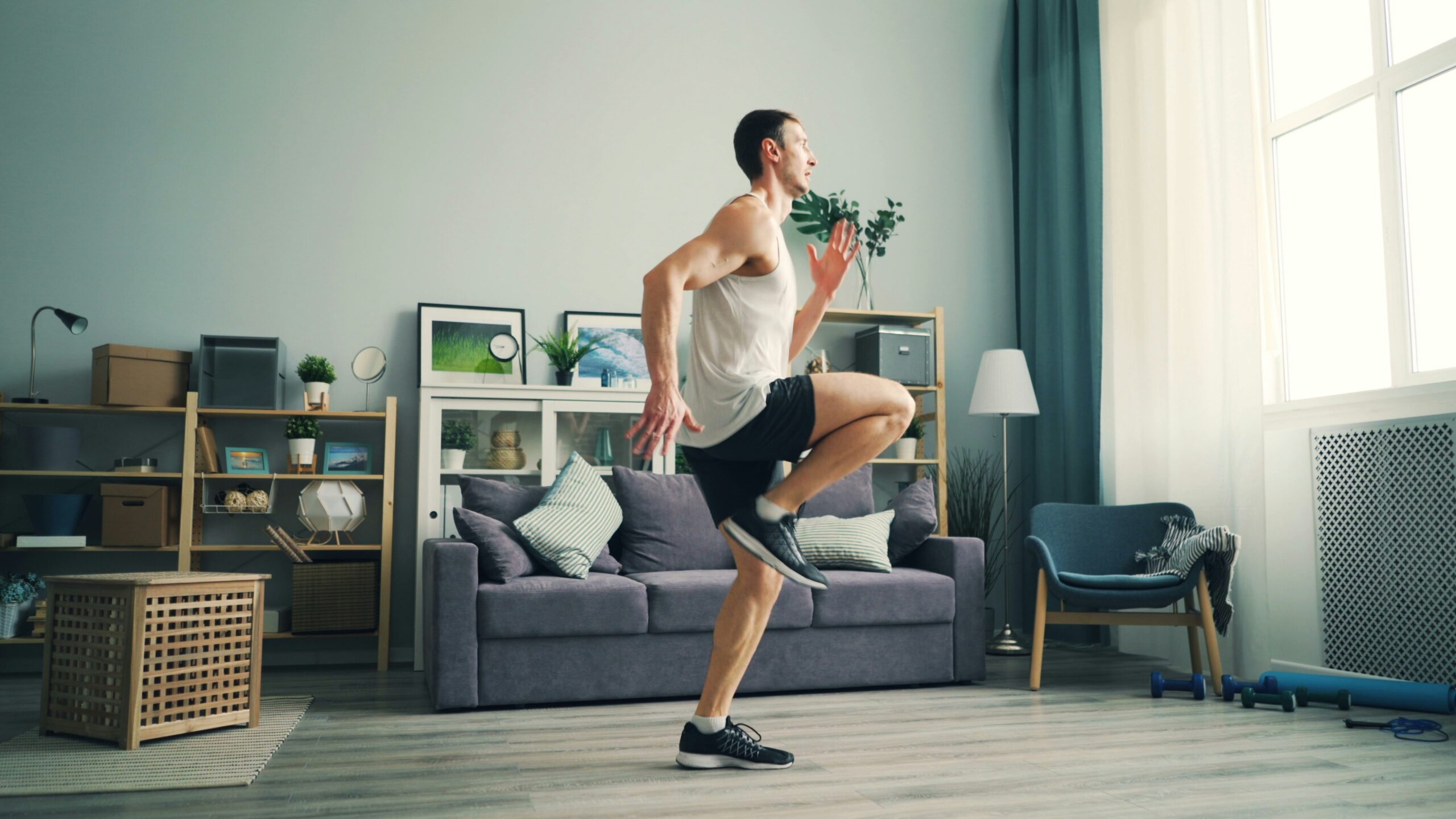
- Stack bite-sized movement onto existing habits. Also known as habit stacking, this approach pairs exercise snacks with things you already do daily. Think push-ups against the kitchen counter while the coffee brews, squats while brushing your teeth, or calf raises while dinner cooks.
- Let your surroundings cue movement. Look for built-in opportunities to move throughout your home or office—stairs included. Between meetings or during a break, climb a few flights at a moderate to brisk pace. If stairs aren’t an option, a quick circuit of squats, push-ups, and mountain climbers can do the trick.
Read more: Coffee vs. Matcha: Which Brew Is Better for You?
Have feedback on our story? Email [email protected] to let us know what you think!
Shop Pillows
The Essential Organic Pillow Collection
Gentle, breathable, non-toxic support.