



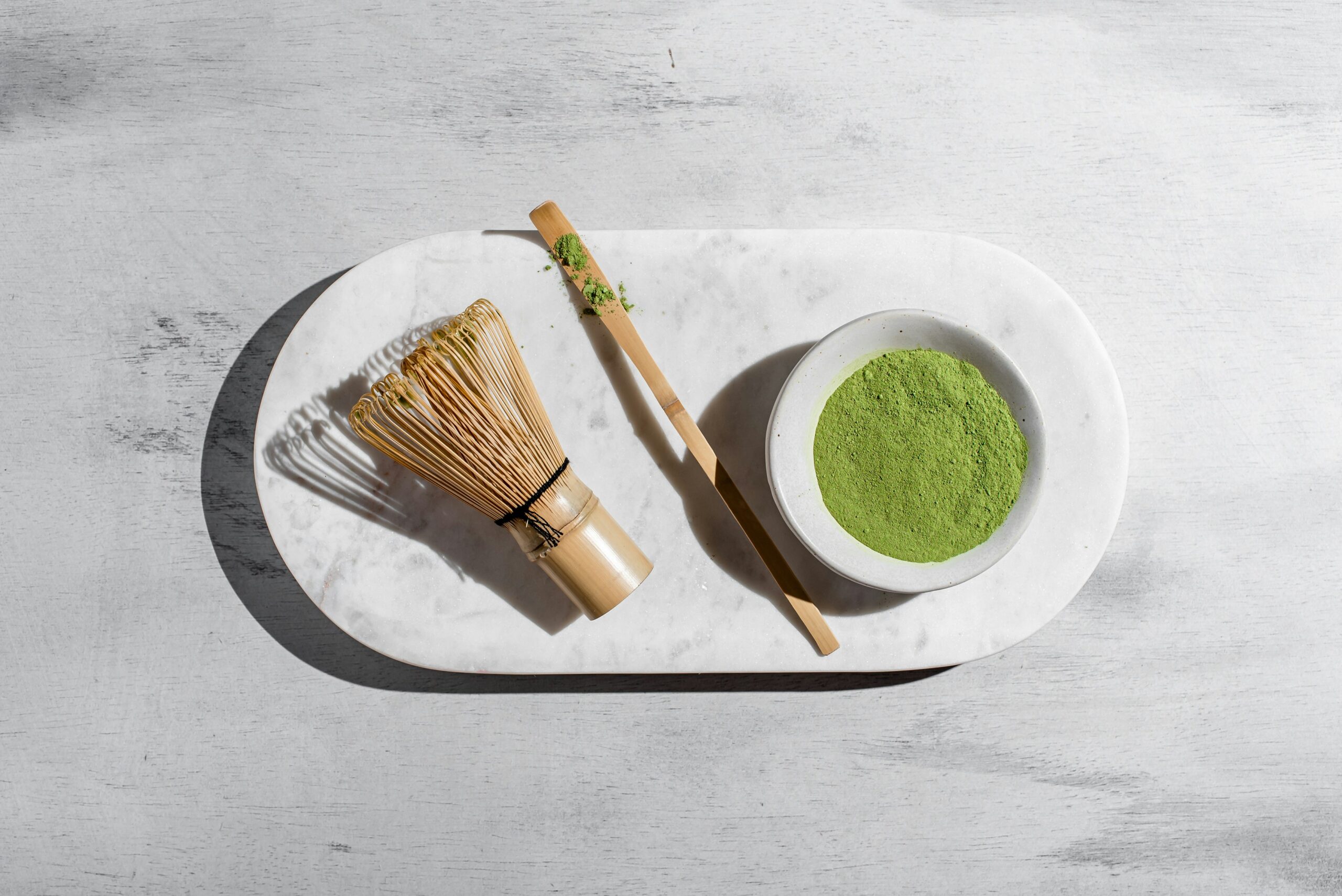



Unlike the three in four Americans who can’t live without their daily morning brew, I’ve always reached for matcha—earthy flavor and all (the greener, the better). It gives me just the right kind of pick-me-up without the jitters or crash. Still, I’ve wondered if I’m missing out on something coffee drinkers (my half-Colombian husband included) swear by each morning.
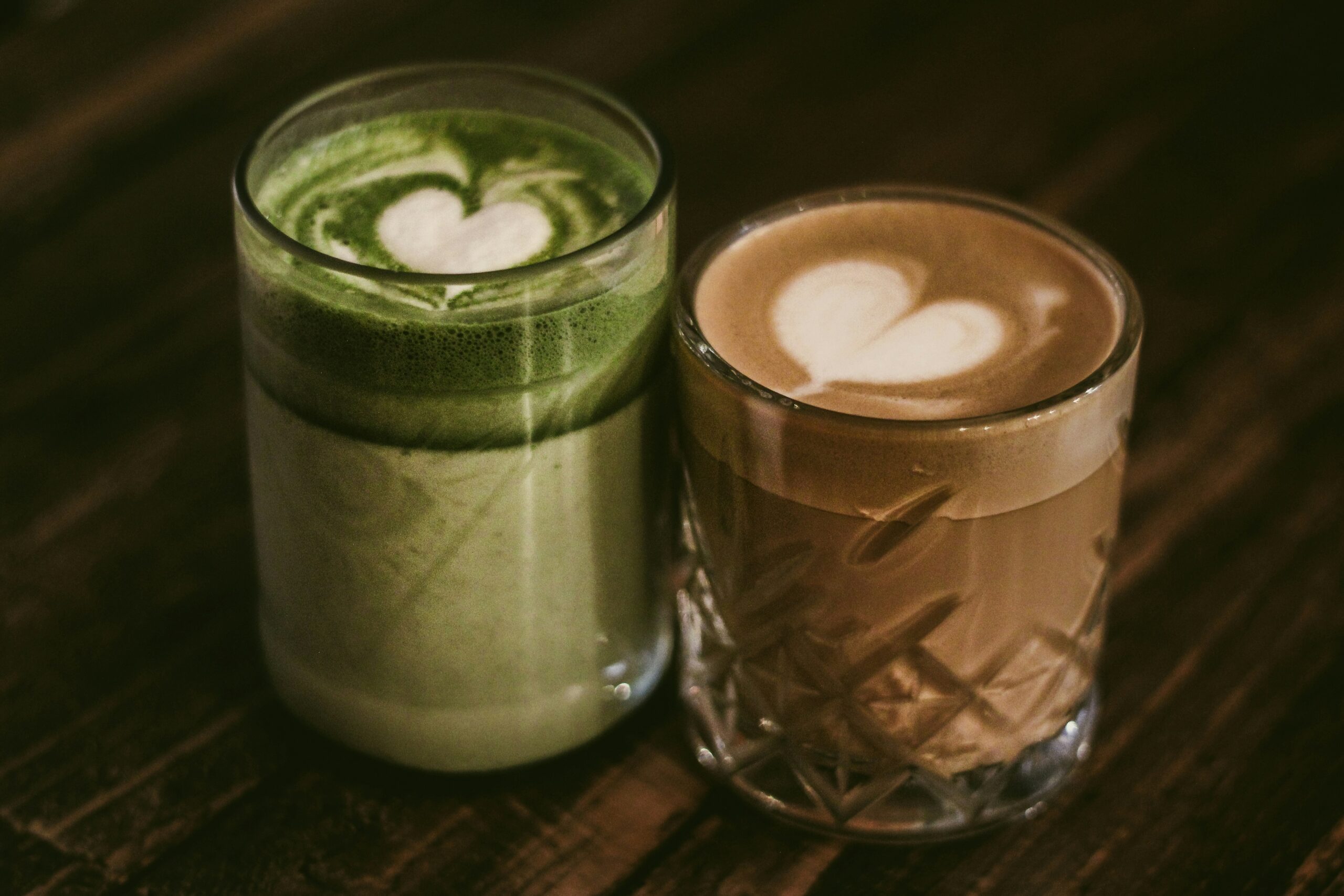
Coffee has its bold flavor and quick-acting quality going for it, along with antioxidants that have earned it a place in the wellness conversation. Meanwhile, matcha leans into a steadier form of energy and comes packed with its own antioxidants and notable lineup of health perks. So is one actually better for you? With the help of experts, we take a closer look at what’s really inside coffee and matcha and whether one comes out on top.
Read more: Why We Love Honey Coffee
How the Caffeine Profiles of Coffee and Matcha Differ
Both coffee and matcha serve up a good dose of caffeine, but the way the stimulant is delivered and experienced in the body is entirely different.
Coffee has long been the go-to morning staple for good reason. With about 95 milligrams of caffeine per cup, it kicks in fast. According to Dr. Chad Larson, a naturopathic and functional medicine doctor and founder of The Adapt Lab, caffeine from coffee enters the bloodstream within 15 to 20 minutes, giving that well-known jolt of energy. Coffee’s rapid absorption and one-hour peak help explain its immediate boost in alertness and readiness to act, adds Jennifer Pallian, a registered dietitian and founder of online cooking platform Foodess. Though for many people, that intensity can fade just as quickly, often leading to the all-too-familiar mid-morning slump.
Matcha offers a different rhythm. Although it contains slightly less caffeine—around 65 milligrams per serving—its effects aren’t felt all at once. Thanks to the amino acid L-theanine, matcha supports attention in a more layered way, Pallian notes. The energy builds gradually, peaking closer to 45 to 50 minutes after you sip, resulting in a slower release of energy. “You have three to five hours of even wakefulness and none of the jitter,” Dr. Larson points out.
A Closer Look at the Health Benefits of Each
Your morning cup of coffee is doing way more behind the scenes than just waking you up. It’s rich in polyphenols—plant compounds with antioxidant, anti-inflammatory, and neuroprotective effects. Regular, moderate coffee consumption has been associated with a lower risk of several chronic conditions, including cardiovascular disease, diabetes, stroke, and certain cancers. Coffee also has its mental health benefits, with research suggesting a link between higher intake and reduced risk of dementia. That said, coffee’s higher caffeine profile can come with a spike in cortisol, particularly in larger amounts or when you’re already experiencing heightened stress.
Matcha, on the other hand, has its own set of advantages. Because it’s made from finely ground whole tea leaves, you’re getting a more concentrated source of nutrients, especially EGCG (a polyphenol with antioxidant and anti-inflammatory properties). It’s also connected with protecting the brain against processes tied to neurodegenerative decline, Pallian says.
Then there’s what matcha drinkers are really drawn to: its signature calm focus. “Its theanine content has been linked to reductions in anxiety and physiological stress markers, and regular intake has been shown to support attentional function under stress,” Pallian says. And when paired with caffeine, it helps improve mood, attention, and mental clarity without the wired, overstimulated feeling. What’s more, Pallian notes that matcha also contains compounds like chlorophyll, vitamin C, and quercetin, which work together to promote antioxidant activity, reduce inflammation, and overall wellness—from heart and brain function to gut health.

Read more: How to Drink Caffeine Without Disrupting Your Sleep
Simple Ways to Upgrade Your Daily Cup
Not all coffee and matcha are created equal. Ceremonial-grade matcha—made from the youngest, most tender tea leaves and processed with greater care—tends to have a smoother, richer flavor and higher concentrations of nutrients like L-theanine, compared to lower-grade options. Similarly, single-origin beans are sourced from a specific region and thoughtfully harvested and roasted, which can bring out a nuanced flavor while preserving higher levels of coffee’s natural polyphenols.
What you add to your cup matters just as much. Instead of refined sugar or heavy cream, small swaps like a touch of honey or maple syrup and a splash of almond or coconut milk can enhance the taste without masking its inherent character.
The Bottom Line
The choice between coffee and matcha isn’t just about how much caffeine you’re getting, but about the kind of energy you want to feel. If you need a quick boost for an early wake-up call, a workout, or a tight deadline, coffee can lend a helping hand. But if you’re looking for a gentler, longer-lasting flow of energy, matcha might be your match.
“Coffee may be a better fit for those who tolerate caffeine well and are looking for a strong, immediate boost in alertness and performance,” Pallian says. “Matcha, on the other hand, may be better suited for individuals seeking a steadier, more balanced effect that supports focus while helping to moderate the body’s stress response.”
Ultimately, it comes down to your unique body and personal preference. Some people crave coffee’s boldness, while others gravitate toward matcha’s sustained calmness. For others, it may simply be a matter of timing and what the day calls for—choosing one or the other depending on the time of day and where it fits best with your focus and sleep. As with anything, there’s such a thing as too much of a good thing, so pay attention to how your body responds—in your energy levels, sleep quality, digestion, and stress—to help guide what works best for you.
Read more: Bedtime Mocktail Series: Blueberry Bedtime Tea
Have feedback on our story? Email [email protected] to let us know what you think!

Shop Pillows
The Essential Organic Pillow Collection
Gentle, breathable, non-toxic support.