



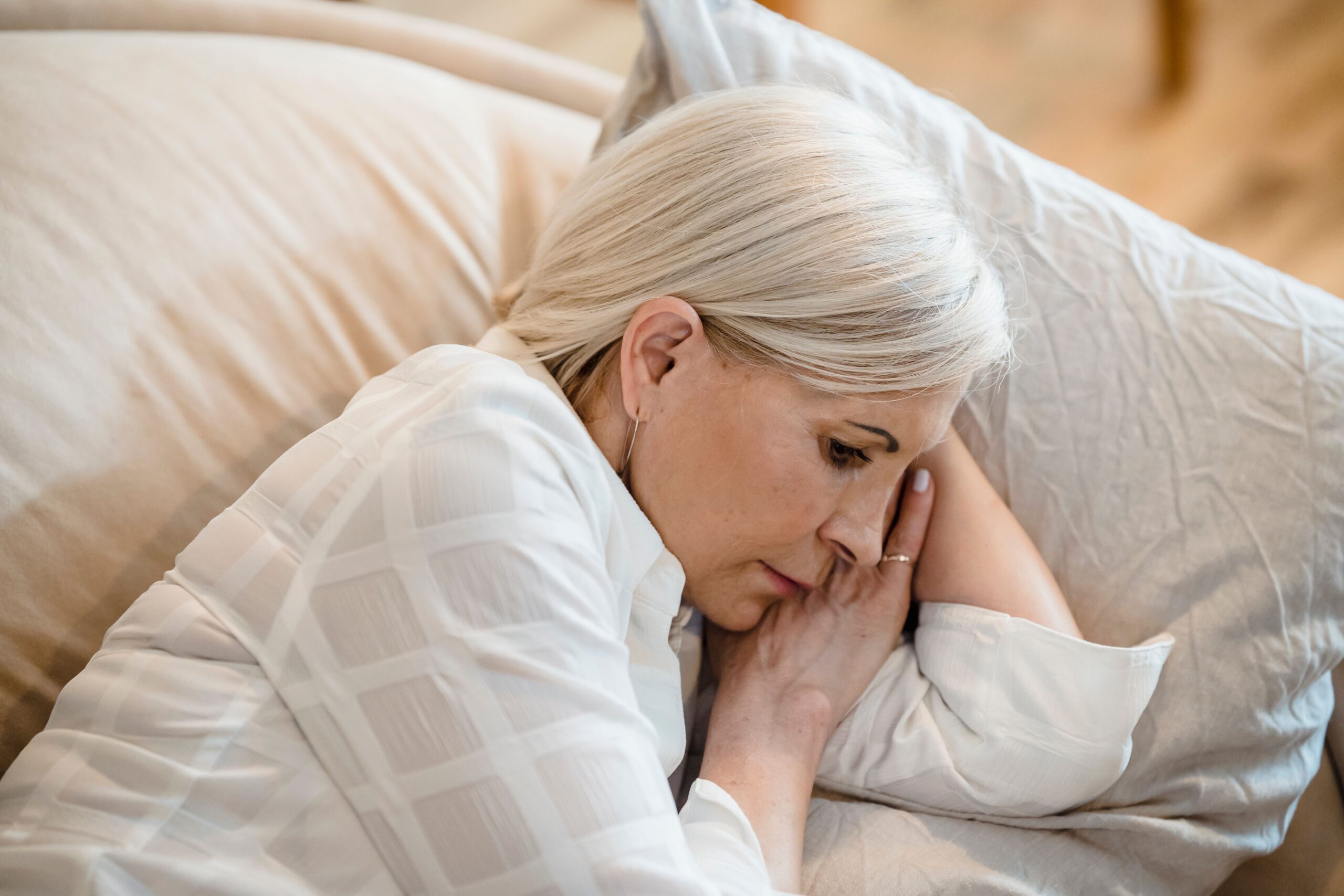


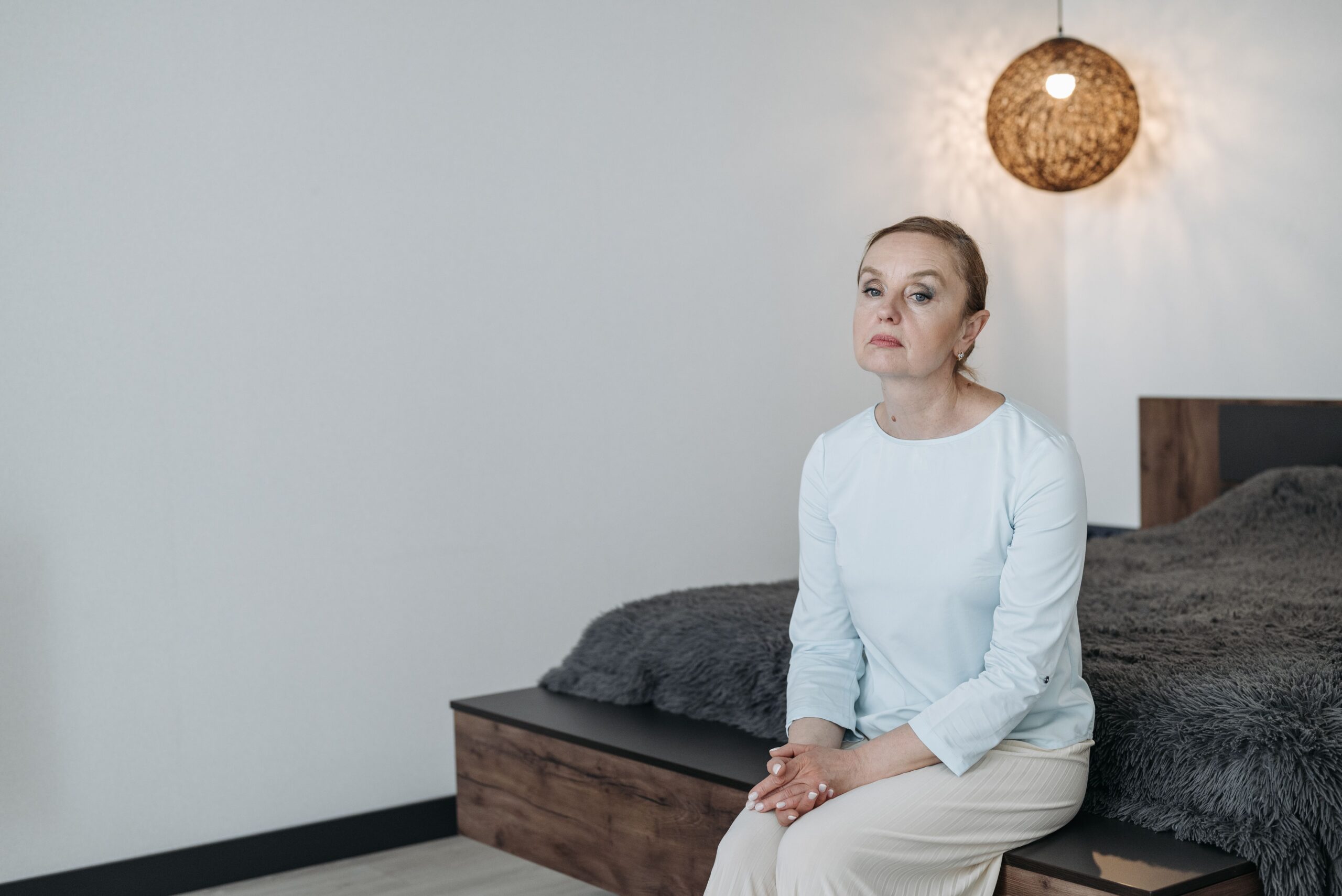
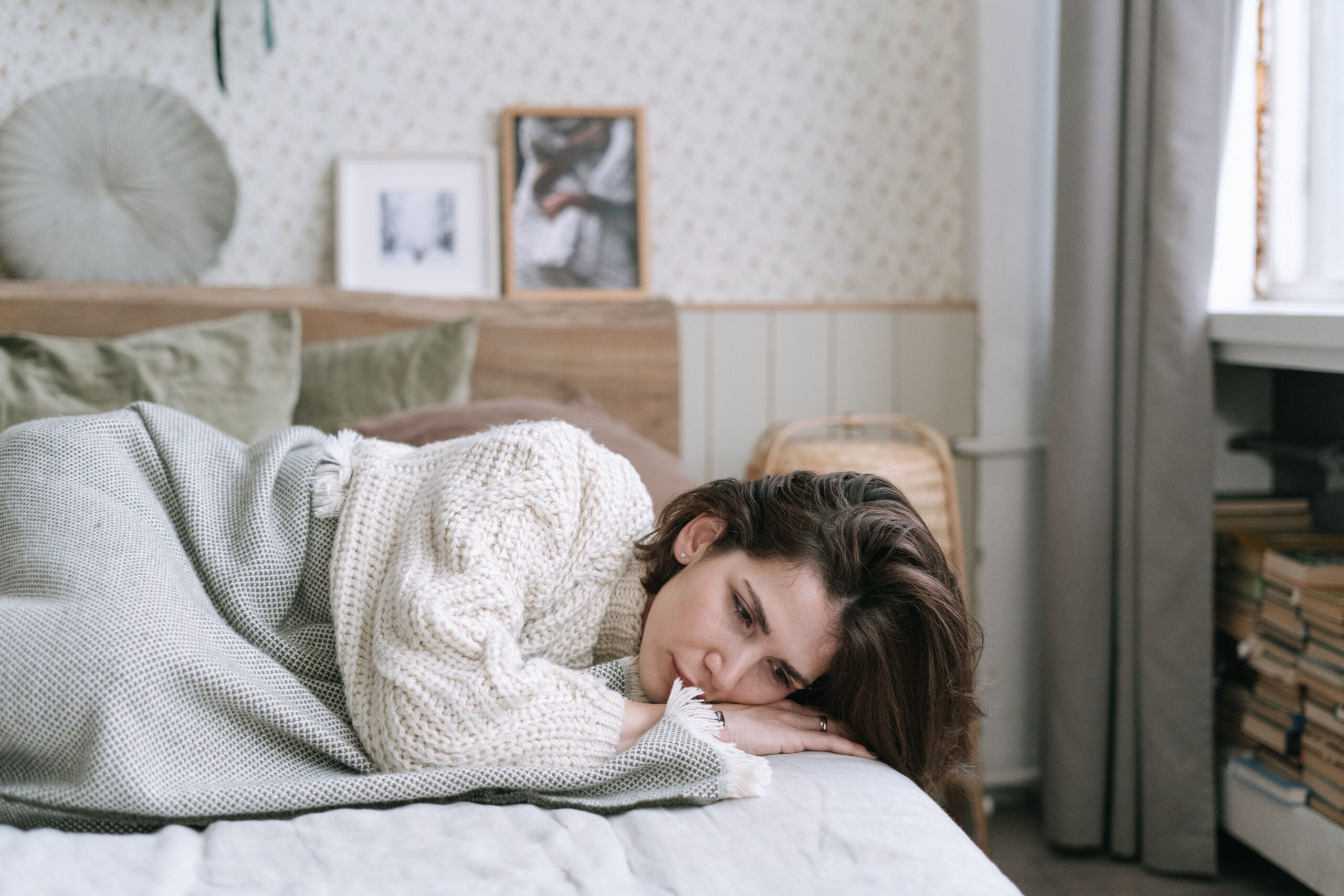
Perimenopause sleep problems, like 2-3 AM wakings, sleep anxiety, and waking up exhausted, are common and can sneak up as early as your late-thirties. The good news is you don’t have to just live with it, or rely on sleep meds. A functional medicine doctor and menopause expert shares her favorite integrative natural remedies to help you sleep like a 20-something again.
Did you know that sleep issues are one of the first symptoms of perimenopause?
It’s true. And, according to triple-board-certified menopause expert and integrative functional medicine physician Dr. Christine Maren, there is no need to suffer through it.
Although perimenopausal sleep problems are common, there are many natural and integrative therapies to help you fall asleep faster, avoid those frustrating 3 AM wake-ups, and improve alertness upon waking.
Here, Dr. Maren shares helpful insights on getting to the root of perimenopause-related sleep problems, along with her go-to integrative tools, including lifestyle changes, nutritional therapies, Ayurvedic herbs, and individualized hormone replacement therapy.
At What Age Do Perimenopause Sleep Problems Start? (Hint: It May Be Sooner Than You Think)
Perimenopause, the transition period from menstruation to menopause (no menstruation), can cause a wide range of symptoms, from changes in your cycle and hot flashes to low libido and cognitive issues.
But according to Maren, changes in sleep patterns and neurological function are among the first signs that your body is entering perimenopause.
“This can start as early as your late thirties, or sooner for women with premature ovarian failure. But on average, women enter perimenopause in their late thirties to early forties.”
What Causes Sleep Issues In Perimenopause?
Perimenopausal sleep problems are often, but not always, rooted in fluctuating hormone levels, such as progesterone and estradiol (estrogen).
Says Maren, “The most frequent symptom of early perimenopause is the 2-3 AM awakening, which typically signals low progesterone. Later on, this can turn into hot flashes or night sweats, which are specifically linked to low estrogen, or just poor quality sleep.”
Progesterone plays a vital role in enhancing GABA, a calming neurotransmitter that helps us relax, shut off our minds, fall asleep, and stay asleep.
Estrogen also plays a role in regulating energy and calming neurotransmitters, including serotonin (the precursor to melatonin, the body’s master sleep hormone), GABA, and dopamine, in addition to regulating body temperature.
Melatonin production also wanes as we age, which can contribute to perimenopausal and menopausal sleep issues.
Perimenopausal symptoms can also indirectly affect sleep.
For example, if you’re feeling anxious or depressed due to fluctuating hormone levels, this will hinder your sleep quality, as can achy joints or changes in body temperature.
But, Sleep Issues Aren’t Always Hormonal
Maren is quick to emphasize that although reproductive hormones are often the culprit, they’re not always the primary cause.
Sleep issues in mid-life could also be related to other factors, including:
- Stress
- Sleep apnea
- Imbalanced circadian rhythm (sleep cycle)
- Blood sugar issues
- Hormonal imbalances
- Thyroid issues
- Excess screen time
- Mental/emotional issues
- Or other underlying conditions
Regardless, if you’re having trouble sleeping and/or waking up feeling refreshed, an integrative health practitioner can help you investigate the root cause or causes.
Related reading: 6 Relaxing Screen-Free Activities To Try Before Bed
Integrative Solutions For Sleep In Perimenopause
Dr. Maren uses an integrative approach to address perimenopause sleep problems in practice, including lifestyle, nutrition, dietary supplements, and, when appropriate, body-identical HRT.
“First, I make sure we address the foundational pieces of lifestyle habits and circadian rhythm.”
This means eating real foods and less processed food, as well as getting enough protein and fiber from fruits and vegetables to keep blood sugar balanced.
Regular exercise (Dr. Maren’s a big fan of strength training and walking with a weighted vest), getting fresh air, destressing, self-care, and spending time with loved ones are all essential for supporting a calm and positive outlook, which will help with nervous system regulation and better sleep.
To reset your circadian rhythm (also known as the sleep cycle), Dr. Maren recommends getting unfiltered morning light and putting away your screens 1-2 hours before bed.
“Once these foundational habits are nailed down, I’ll start using supplementation.”
A Functional Medicine Doctor’s Go-To Remedies For Perimenopause Sleep Issues
With so many natural sleep aids available, it can be hard to choose the right one to help you fall asleep, stay asleep, and wake up feeling refreshed.
Here’s what Dr. Maren uses with her patients.
- Melatonin
“Melatonin naturally decreases with age, but melatonin issues are also a symptom of poor circadian rhythm”. Says Maren.
When our sleep cycle is normalized, the body naturally produces melatonin when it gets dark. However, if we don’t get outside in the sun in the daytime and turn off lights (especially blue-light-emitting screens) at night, melatonin production becomes compromised.
Melatonin supplements can help with sleep onset and are typically best taken before bedtime.
Standard dosing is typically 3 milligrams or less, but check with your healthcare practitioner for individual recommendations, as everyone responds differently.
Learn more about your master sleep hormone in How To Use Melatonin For Sleep
- Glycine
“Glycine is a natural amino acid that’s very calming, low-risk, and easy to take.”
Emerging research suggests that glycine may promote various aspects of sleep, including improving deep sleep, supporting serotonin, and potentially lowering body temperature.
Glycine is primarily found in protein-rich foods, and supplements are widely available. Check with your healthcare practitioner for the best individual dosage for sleep.
- Magnesium
Magnesium is a natural mineral and popular remedy for promoting sleep and relaxation.
Says Maren, “I feel like this is something a lot of people need. It works by activating GABA receptors (the body’s calming neurotransmitter) and supports the nervous system too.”
A growing body of research supports magnesium’s role in improving various aspects of sleep, including sleep latency (time to fall asleep), nervous system regulation, increased REM sleep, lower cortisol, and overall sleep quality.
Maren likes magnesium citrate for those with constipation, or magnesium glycinate or magnesium L-threonate for general use.
For more information, see Should You Try Magnesium For Sleep? and check with your practitioner about the best form and dose for you.
- Ashwagandha
Ashwagandha is a popular Ayurvedic herb (the traditional medicine of India) for reducing stress, improving energy and stamina, and promoting better sleep.
Says Maren, “So many women live in a high-stress space, and, while Ashwagandha isn’t a cure, it can certainly help as an adaptogenic* tool. It also helps with ovarian aging.”
Adaptogenic herbs have been used for centuries to help the body adapt and thrive in the presence of stress.
They work by supporting the hypothalamic-pituitary-adrenal (HPA) axis, which controls our stress response and has downstream effects on stress hormones, such as cortisol, as well as reproductive hormones.
Research has shown that Ashwagandha can help improve various aspects of sleep, including sleep onset latency, quality, wake time after sleep onset, depth, and mental alertness upon rising, especially when taken consistently.
Related reading: Why You Should Try Adaptogens
- CBD
CBD products have become wildly popular for enhancing relaxation, reducing anxiety, reducing aches and pains, and promoting sleep.
Maren finds CBD helpful for some patients, but does not recommend THC for sleep.
Preliminary research supports the use of CBD for sleep, suggesting it can help with reducing anxiety and wakefulness while promoting overall sleep quality, but more research is needed.
CBD supplements can vary widely in quality and concentration, so be sure to look for a reputable brand or consult your integrative health practitioner for professional recommendations.
- HRT
Dr. Maren takes an integrative approach to perimenopause, which often includes the use of individualized body-identical hormone replacement therapy.
“Progesterone is one of my favorites for sleep, but it depends on the person. For women in early perimenopause, I tend to use progesterone first, then if women are experiencing signs of low estrogen, I’ll try estradiol (estrogen), and I may use both depending on what stage they’re in.”
As mentioned previously, progesterone supports healthy GABA levels which helps with sleep, while estrogen supports various sleep-related neurotransmitters and plays a vital role in regulating body temperature, mood, and more.
Discover more mid-life sleep tips in: Why Midlife Women Can’t Sleep—And What To Do About It
Final Advice & Wisdom On Navigating Perimenopause, Sleep, & The Transition To Menopause
As a triple-board-certified integrative functional medicine doctor and menopause expert, Dr. Maren helps many women navigate hormonal transitions.
“We have three endocrine transitions as women: puberty, postpartum, and perimenopause/menopause. And perimenopause is not just about hormones; it’s a life transition, a lot like postpartum, and it becomes really important to support hormones, yes, but also the immune system, gut health, and underlying health issues.”
Dr. Maren went on to emphasize the need to take stock and re-evaluate our lives during these transitions.
“Many women have been in a state of survival mode for a long time, and over-functioning at our own expense. There’s a lot of conditioning around that, and I think women are conditioned to be co-dependent, to take on others’ responsibilities. And we reach this point in our lives where it can be a beautiful realization that taking care of ourselves first and foremost is important, and it can take health issues to force us to do so.”
When asked what she wished more women knew about perimenopause and sleep, Dr. Maren said,
“I’d want women to know that there are so many good solutions and that sleeping well is foundational to good health. I feel like so many women just accept it, and we’ve got solutions! Sometimes it takes a bit of trial and error, but not sleeping is not sustainable or healthy.”
Need Some Help Sleeping Cooler? We’ve Got You…
If hot flashes and nightsweats are keeping you up, upleveling your bedding to cooler materials can make a world of difference.
At Avocado Green, all our organic mattresses are made with breathable materials that help you sleep cooler naturally, like organic cotton, wool, and natural latex.
We’re proud to be only mattress company to hold six simultaneous finished-product verifications (GOTS, OEKO-TEX® Standard 100 Class I, MADE SAFE®, EWG Verified®, GREENGUARD Gold, and UL® Formaldehyde-Free) across all our mattresses.
We also offer a variety of organic natural fiber bedding, from organic cotton sheets to sustainably-sourced wool and down comforters, which breathe with your body and absorb moisture, instead of trapping heat and humidity.
And when it comes to getting a good night’s rest, even small comfort upgrades can make a world of difference!
Shop Avocado’s top-rated organic mattress collection, including our original, luxury, ultra-plush, and latex-free varieties
Shop our bedding collection, including organic cotton sheets, sustainably-sourced down and alpaca comforters, blankets, throws, weighted blankets, and decorative bedding
Read more: Should You Go to Bed With Wet Hair?
Have feedback on our story? Email [email protected] to let us know what you think!
Shop Pillows
The Essential Organic Pillow Collection
Gentle, breathable, non-toxic support.