



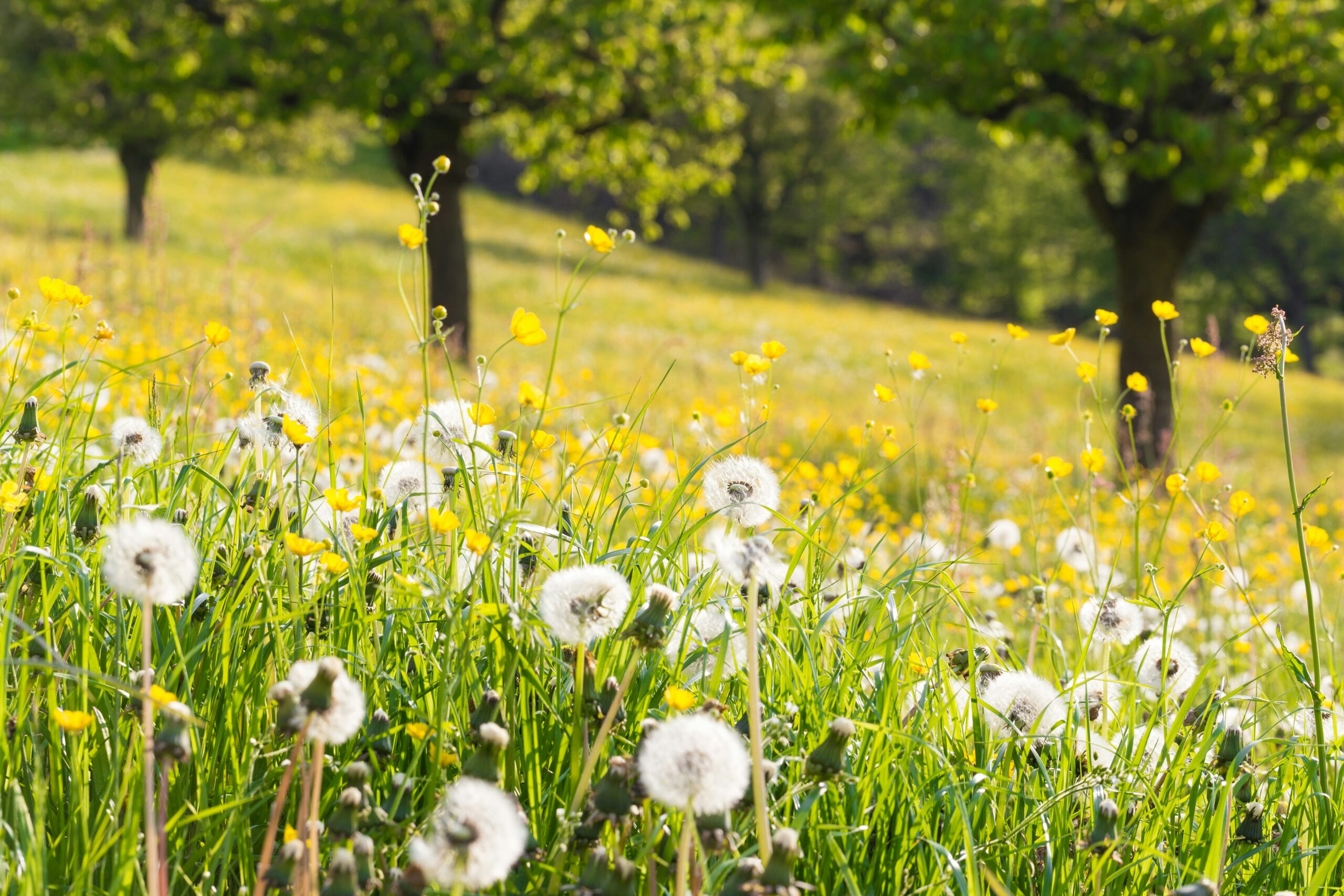



Looking for natural remedies for spring allergies? We’ve got you covered with a round-up of evidence-based herbs, nutritional supplements, and lifestyle practices to help you get ahead of the Spring ah-choos!
The sights, smells, and sounds of spring are enough to inspire anyone to fling open the windows, get outdoors, and drink in the warmth and beauty of the season.
That is, until your spring allergies start flaring up!
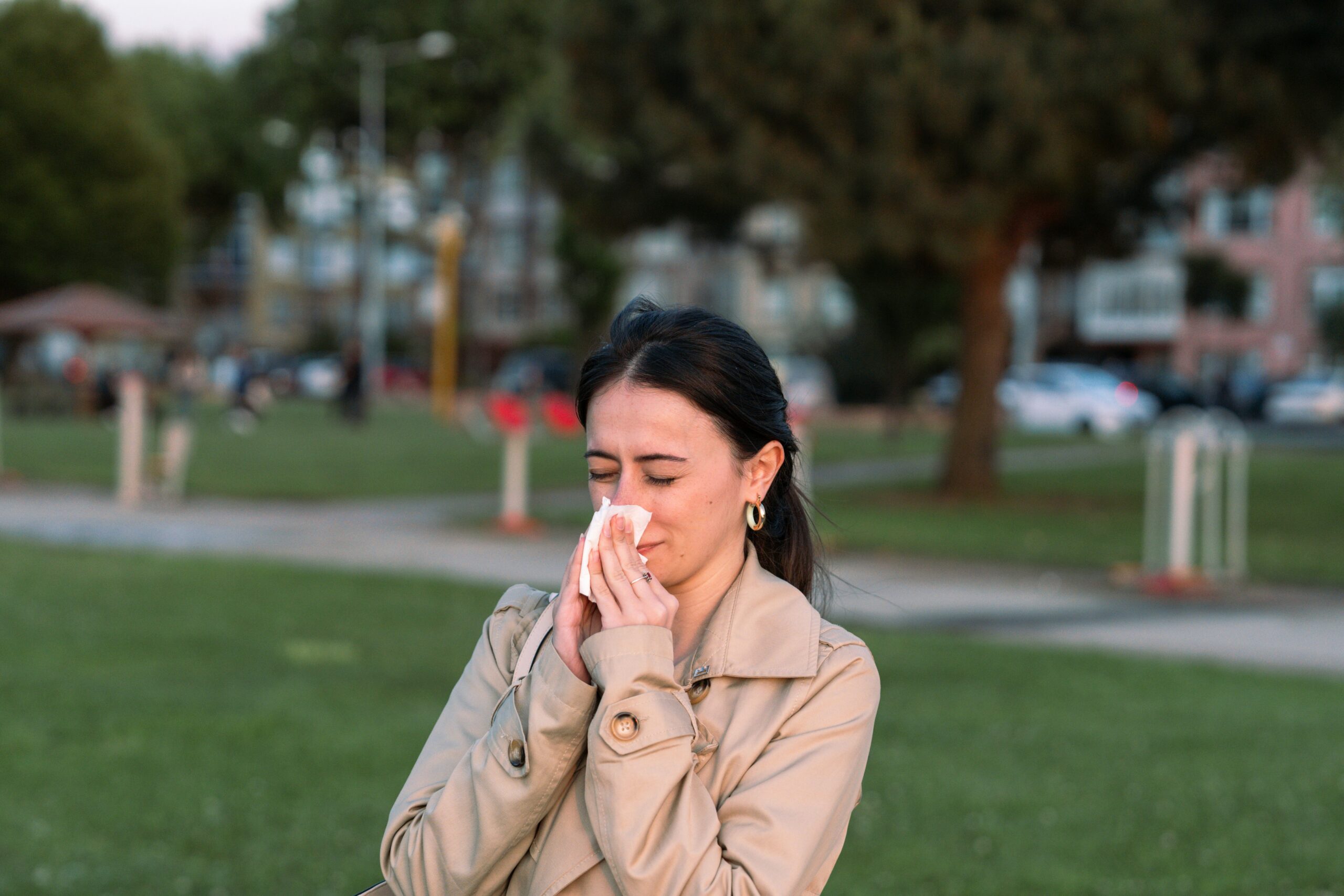
Runny nose, itchy eyes, scratchy throat, endless sneezing, blotchy skin, fatigue—it’s all such a downer, especially when you’re ready for a seasonal reset.
Fortunately, there are many natural remedies for spring allergies to help soothe, reduce, or even eliminate symptoms.
If you’re looking for drug-free spring allergy relief, here are some natural alternatives to try.*
*Note: Always talk with your healthcare practitioner before taking any new remedies or supplements.
Read more: The Future of Wellness: The Biggest Health Trends Shaping 2026
7 Natural Remedies To Tame Spring Allergies
If you’re new to natural remedies, it’s important to understand they don’t typically work like medications. Nor are they a substitute for medical care.
Although some can provide rapid relief for things like congestion, watery eyes, or throat irritation, others take time to create noticeable results.
Everyone responds differently to various natural remedies, so it may take some experimentation and consistency to find the right fit for you.
For individual recommendations, talk to an integrative health practitioner trained in herbalism and natural approaches to seasonal allergies.
In the meantime, here are some evidence-based, natural approaches to consider.
1. Tulsi Tea
Also known as “the Queen of herbs”, “liquid Yoga”, and “Holy basil”, Tulsi is considered a sacred herb in Ayurveda, the traditional medicine of India.
As its name suggests, Tulsi (Holy Basil) comes from the basil family, and has a rich history of use as an adaptogen (stress reliever), immune tonic, and a rasayana (rejuvenating longevity herb).
What’s lesser known is Tulsi’s potential to alleviate seasonal allergies.
Research suggests Tulsi may have anti-allergy properties through its actions on mast cell function and histamine production.
Mast cells are immune cells that play an essential role in how our body responds to allergens.
When taken as a hot tea, Tulsi may also help alleviate congestion, soothe a scratchy throat, and calm the entire body.
Tulsi is widely available as a supplement, tincture, bulk herb, or tea, either alone or combined with other Ayurvedic or Western herbs.
New to Tulsi? Try this Tulsi Chai Tea
Ingredients:
- 1-3 teaspoons loose Tulsi tea (or 1-2 bags)
- 8 ounces of filtered or spring water
- 1-2 teaspoons Chai spices, such as cinnamon, cardamom, nutmeg, allspice, and black pepper, or your favorite Chai spice mix
- Milk or plant milk
- Your favorite natural sweetener to taste
To make:
- Combine the Tulsi, water, and chai spices in a small pot.
- Bring to a boil and reduce to a simmer. Let simmer for 5 minutes.
- Add the desired amount of milk or plant milk and let it heat for another minute or so.
- Pour into your favorite mug and sweeten to taste.
2. Quercetin
Quercetin is a natural antioxidant pigment that gives fruits and vegetables their vibrant colors.
It’s also been widely researched for its health benefits, including fighting free radical damage, supporting a healthy inflammatory response, reducing signs of aging, promoting mitochondrial function (the energy powerhouse of cells), and helping with seasonal allergies.
Specifically, research suggests supplemental Quercetin may help reduce allergic rhinitis (inflammation of the nose) by supporting the balance of pro-inflammatory helper cells and by reducing antibodies IgE and IgG1, as well as histamine.
Quercetin is widely available as a stand-alone supplement or in natural allergy formulas.
It’s also abundant in colorful fruits and vegetables such as brassicas (broccoli, cauliflower, kale), berries, red onions, tomatoes, and green and black tea.
Insider tip: Try combining Tulsi with quercetin-rich Green tea to double your benefits.
3. Improve Indoor Air Quality
You can’t control outdoor air quality and pollen counts, but you can take steps to improve air quality in your home.
The following steps will help lower pollen exposure in your home while reducing your body burden from common indoor air pollutants, such as dust, PFASs, heavy metals, and more.
- Run an air purifier: Look for a high-quality brand that traps common allergens and household toxins, including pollen.
- Vacuum and dust regularly: Studies have shown that pollen and other household toxins ride on dust. Plan to dust several times weekly during pollen season. Be sure to vacuum furniture as well, as it can trap dust and pollen.
- Consider investing in a HEPA vacuum: Certified HEPA vacuums are designed to trap 99.9% of dust particles, including pollen, making them a powerful tool for improving indoor air quality.
- Create a no-shoes indoors policy: It may seem like a small thing, but research shows that shoes can track in allergens, heavy metals, pesticides, fecal matter, and more.
- Wash bedding weekly during pollen season: Including sheets, pillowcases, comforters and blankets, duvet covers, and shams.
- Let your bedding work for you: If your allergies get worse at night, consider a mattress cover to keep dust mites at bay.
- Wipe down outdoor pets: If your dogs and cats spend time outdoors, gently wipe down their coats and paws with a damp rag to help remove pollen.
Get more tips for creating a healthier home in: How To Improve Your Home’s Air Quality
4. N-acetylcysteine (NAC)
N-acetylcysteine (NAC) is an antioxidant derived from the amino acid L-cysteine. It has been used for years to treat Tylenol overdose and protect the kidneys from potential damage from contrast dyes.
It’s also become a popular supplement in integrative health for supporting respiratory function, brain health, and resistance to seasonal allergies.
Although studies on how NAC works for allergies are in their infancy, animal research suggests it may help reduce allergic rhinitis by quelling inflammation that produces nasal allergy symptoms.
Although more research is needed, many people have found relief by using NAC, alone or combined with other natural remedies.
You can find N-acetylcysteine through your integrative health practitioner, online, or in natural foods stores.

Read more: How To Make Your Own Herbal Tea Blends
5. Ginger
Spicy, pungent ginger has been a go-to global home remedy for soothing congestion, coughs, digestive trouble, nausea, and body aches for centuries.
New research also suggests it can help with seasonal allergy symptoms, with one study showing ginger was comparable to an allergy medication for treating nasal symptoms and quality of life!
This isn’t surprising given the impressive body of research supporting ginger’s traditional use for supporting immune function, respiratory function, and overall well-being.
You can buy ginger supplements, or keep things super simple by making your own fresh ginger tea or water.
Here’s How to Make Trendy and Tasty Ginger Water:
- Grate a thumb-size piece of fresh ginger into 2-3 cups of filtered or spring water.
- Let it infuse for 10-15 minutes, and strain.
- Flavor with fresh lime or lemon juice and raw honey (another proven home remedy for allergies) to taste.
Sip throughout the day.
6. Optimize Sleep
Allergy symptoms, like congestion, can make sleeping a challenge, but there are things you can do to help.
- Make your bedroom as allergen-free as possible by following the previous tips to improve indoor air quality.
- An air purifier in your bedroom is an excellent way to create an allergen-free sleep sanctuary.
- Take a shower or at least wash your face before bed. Pollens can settle into our hair and get trapped in makeup, facial hair, and our natural face oils. A quick wash before bed can make a world of difference, especially after being outdoors.
- Run a cool mist humidifier to help with congestion.
- Try decongesting essential oils, like eucalyptus, ginger, and peppermint, to relieve congestion naturally.
- Decompress with a cup of tulsi, ginger, or nettle tea right before bed.
- Try a nose strip to naturally open nasal passageways.
- Get to bed early. This will help minimize the stress of “losing sleep over allergies” while helping you get the extra rest you need during allergy season.
Get more natural sleep tips in: 7 Tips For Breaking The Sleep Deprivation Cycle.
7. Nettles
Stinging nettles (the same ones that hurt like heck when you brush against them) are a favorite among herbalists for spring allergies.
Their traditional use is rooted in the idea that spring plants are designed to help with spring ailments. Therefore, nettles are traditionally used to help with allergies, liver function, and provide blood supportive nutrients, like iron.
Scientifically, research has shown nettles contain various active plant compounds, such as alpha-tocotrienol, that block histamine H1 receptors and inhibit tryptase, an enzyme in mast cells involved in the release of proinflammatory cytokines.
One randomized, double-blind study found patients experienced improvements within 1 week of taking nettles.
Nettles can be found sting-free in various supplements and teas, as a standalone herb or in combination with other allergy and immune-support herbs.
Many people swear by nettle tea for allergies, which has a grassy, earthy flavor that pairs well with lemon balm, tulsi, red raspberry, or green tea.
Don’t Let Spring Allergies go on Without Asking for Help
Many health-conscious people endure spring allergies because they don’t want to take medications.
However, if you’re not getting the results you want from these or other home remedies, there’s no need to suffer through it.
Instead, talk to an integrative medicine practitioner, such as a naturopath, functional medicine doctor, acupuncturist, Ayurvedic practitioner, or herbalist, to design a customized natural allergy program for you.
Sometimes, a customized approach to diet, lifestyle, detoxification, and supplements is all that’s needed to move the needle and restore balance.
Looking for healthier bedding options to reduce allergens, improve indoor air quality, and create a sleep sanctuary?
Check out Avocado’s full line of best-selling non-toxic organic mattresses, bedding, and sleep solutions here.
Happy spring!

Read more: Why Sleep May Be the Most Powerful Health Habit
Have feedback on our story? Email [email protected] to let us know what you think!

Shop Pillows
The Essential Organic Pillow Collection
Gentle, breathable, non-toxic support.