




Perhaps the Italians have had it right this whole time. A healthier, happier life may not come from optimizing every aspect of it, but from embracing la dolce vita—creating space for pleasure, ease, and presence in the everyday, rather than getting caught up in the pursuit of becoming better or more productive.
Italy may be famous for its food, the romantic canals of Venice, or the Colosseum, but there’s much more to its culture than what you’ll find in a Lonely Planet guide—particularly when it comes to how Italians approach well-being. From taking daily walks to lingering over meals with friends and family, they seem to have mastered something Americans are always on the search for: a way of living that feels good, not just one that looks good on paper (or social media). Instead of carving out separate time for “wellness” or going out and buying it, many of these habits are naturally woven into the rhythm of everyday life—regular movement, connection, moments of pleasure, and whole foods included.
And Americans have taken notice. Creators on TikTok share how much better they feel when they’re in Italy, often contrasting the daily grind of life in the U.S. with the country‘s natural slower pace. So much so that “Why do I feel better in Italy?” has become a trend of its own.
So, what’s behind that feeling? And what can we learn from some of Italy’s most enduring wellness habits?
Read more: How Often Should You Purchase A New Mattress? A Non-Toxic Consumer’s Guide
Taking a Daily Passeggiata
Italians aren’t necessarily rushing to Pilates, squeezing in a HIIT class, or heading to the gym for some strength training and calling it a day. Instead, movement is seamlessly built into daily routines, not approached as formal exercise. Case in point: la passeggiata, a leisurely walk usually taken in the morning, after lunch, or in the evening. There’s no agenda, no step count to hit, no time to keep—just an opportunity to get outside, slow down, and connect with others around you.
“The passeggiata is a walk with no real destination and no pace to keep up with,” says Valentina Telese, Italian tours director at Walks of Italy. You might run into someone you know, stop for a gelato, or simply wander for a while. For Telese, the evening passeggiata is one of the highlights of her day, where the workday is behind her and she’s present. “The benefits are real, though we don’t really talk about them that way,” she continues. “It’s movement, fresh air, community. A daily reminder that life isn’t just about getting things done.”
Still, a stroll after a meal comes with advantages that go beyond the actual experience, including lower blood sugar levels and a more relaxed stress response, says Dr. Eleni Nicolaou, a clinical psychologist and creative wellness expert at Davincified.
While walking might not be considered a “wellness habit” in Italy, it offers many of the things we seek out when trying to feel our best: movement, being in nature, social connection, and a chance to be present. The difference is that it isn’t seen as a to-do; a walk is an inherent part of the day—and maybe even the most enjoyable part.
Drinking Coffee as a Pause
For many Americans, coffee is something to grab on the way to work or reach for to get through the 3 p.m. slump—a much-needed dose of caffeine to feel more alert and fuel the next task. In Italy, coffee is more than a source of caffeine; it’s an important element of a daily ritual centered around routine, connection, and taking a few minutes in the day to be still. “The pause, more than the coffee, is what matters,” says Denyse Pantaleo, Rome tours manager at Walks of Italy.
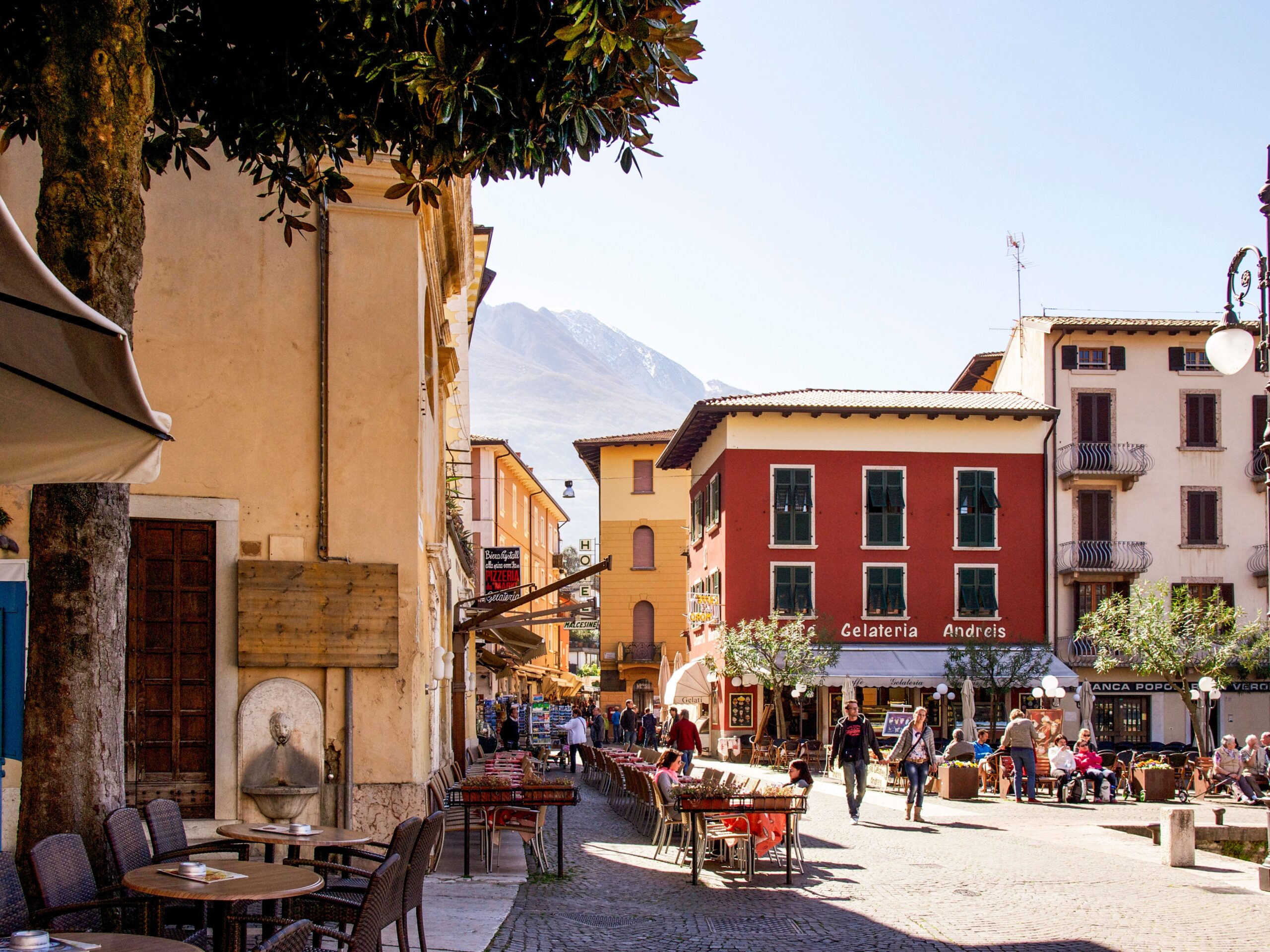
Because the experience of drinking coffee is valued as much as the drink itself, Italy’s coffee culture has resisted the idea of coffee on the go. Coffee isn’t treated as an afterthought while multitasking; Italians traditionally enjoy espresso at the bar, where cafes double as places for socializing and community connection. “The bar is where you catch up on neighborhood news, exchange a few words, and slow down for a moment,” Pantaleo adds. “An espresso was never designed for a commute. When you take it away, you lose the whole point—the pause, the barista, and the connection.”
Actually taking time to savor your cup of coffee may only take a few minutes, but it creates a ritual that can serve as a reminder that wellness doesn’t always ask more of us; sometimes, it’s simply about pausing to enjoy what’s already in front of you.
Read more: 7 Healthy Late Night Snacks For Better Sleep
Prioritizing Shared Meals with Friends and Family
When we’re always “on” and feeling the need to earn our rest, even meals can become another thing we have to fit in. We scroll through breakfast, take bites of lunch between meetings, or respond to emails over dinner. Italians see meals differently—they’re meant to be drawn out and shared, offering a chance to maintain relationships and strengthen community ties.
Extended lunches and dinners with friends and family are a key part of the social fabric, making the table a place to converse, celebrate, and spend time together. “Eating in Italy is a social event,” Pantaleo explains. “We love Sunday lunch with the family and long dinners with friends that somehow stretch to midnight. These are where real conversations happen and relationships are kept alive.”
Maybe it’s romanticizing Italian meals or a little Eat Pray Love, but this habit is nourishing in more ways than one. What we put on our plates is one piece of the wellness equation, but who we enjoy those plates with—and whether we give ourselves the time to do so—matters, too.
“The long dinner is another routine which serves a purpose: Eating slowly and talking relaxes the body and prepares it for the restful state,” Dr. Nicolaou says. “Italian family meals work on the nervous system like a guided meditation.”
Knowing Where Your Food Comes From
Italians take their food seriously—but not in the way we tend to define “healthy eating.” The focus is less on whether a food is “good” or “bad” and more on where it comes from, what’s in season, and how it makes its way to the table.
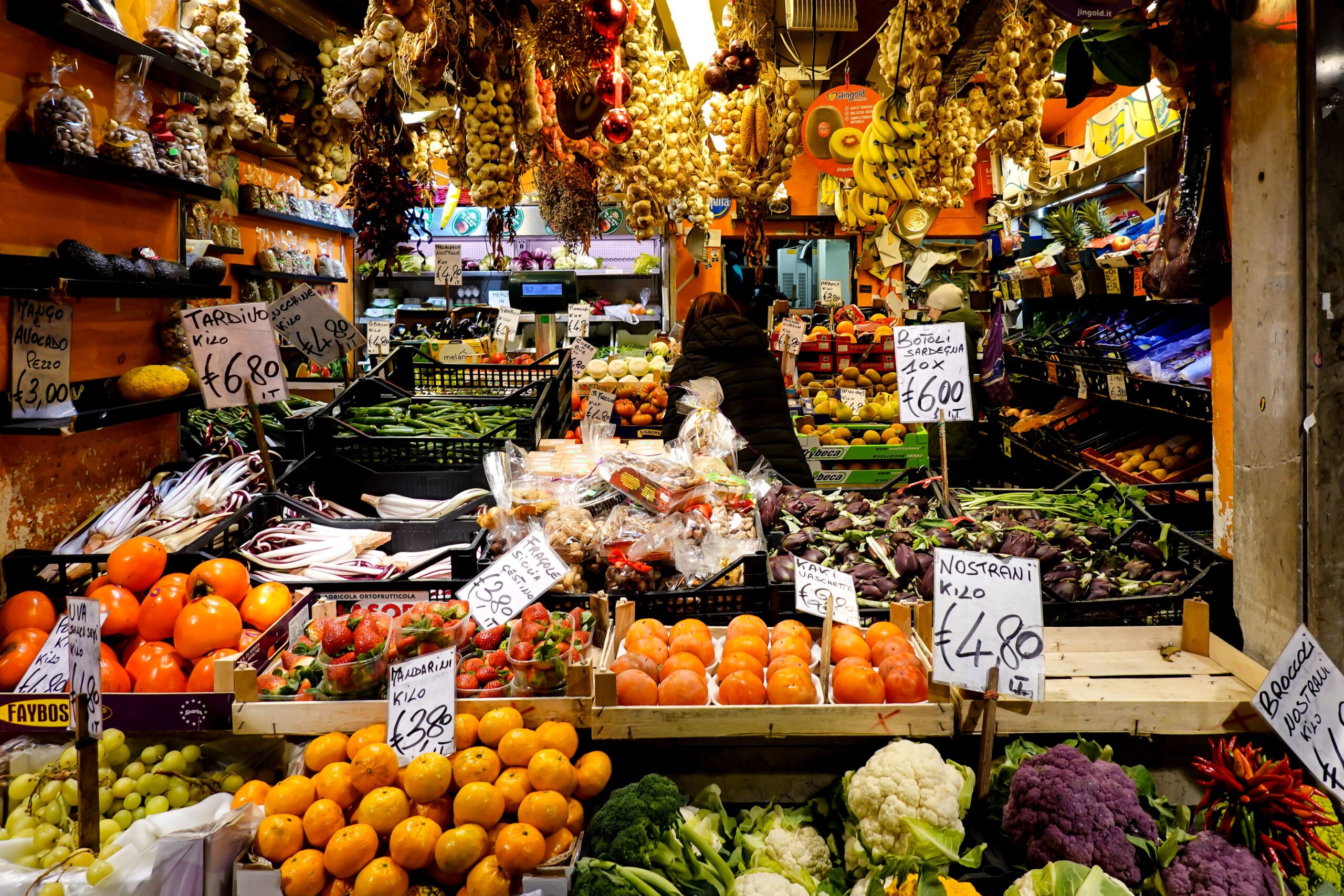
Francesca Elisabetta Owens, founder and senior women’s cultural travel expert at Travel From the Inside Out, says food is a regular topic of conversation in Italy. People will ask each other what they’re making for lunch and dinner, what they cooked the night before, or what ingredients they’ve recently come across. Someone may have brought home wild asparagus, found truffles, harvested something from a garden, or picked up the season’s first olive oil. “Buying quality food, knowing what’s in season, and preparing meals isn’t treated like a special wellness program,” she says. “It’s simply part of everyday life.” Food is meant to be appreciated, talked about, and experienced.
Instead of getting wrapped up in the latest “it” ingredient or diet, choosing quality ingredients when we can, eating seasonally, cooking at home, and taking an interest in where our meals are sourced from can help redefine what it means to “eat well.”
Wellness, the Italian Way
As Dr. Nicolaou mentioned, none of these habits require elaborate tools, memberships, or complicated routines. “Travelers to Italy see the wine drinking and pasta eating culture as being carefree without realizing its underlying structure of lifestyle choices,” she says. “The real habit is structure.”
Maybe that’s the real takeaway: Wellness doesn’t have to mean adding more—whether it’s more products, steps, or optimization. It can be found in the simplest moments of everyday life.
Read more: Coffee vs. Matcha: Which Brew Is Better for You?
Have feedback on our story? Email [email protected] to let us know what you think!
Shop Pillows
The Essential Organic Pillow Collection
Gentle, breathable, non-toxic support.