




There’s a very specific kind of satisfaction that comes from something feeling good right away.
I’ve definitely had moments where I sit down on a couch and immediately think, I could live here. Which, in hindsight, is not a particularly rigorous way to evaluate quality, but it does feel convincing in the moment.
A couch you sink into.
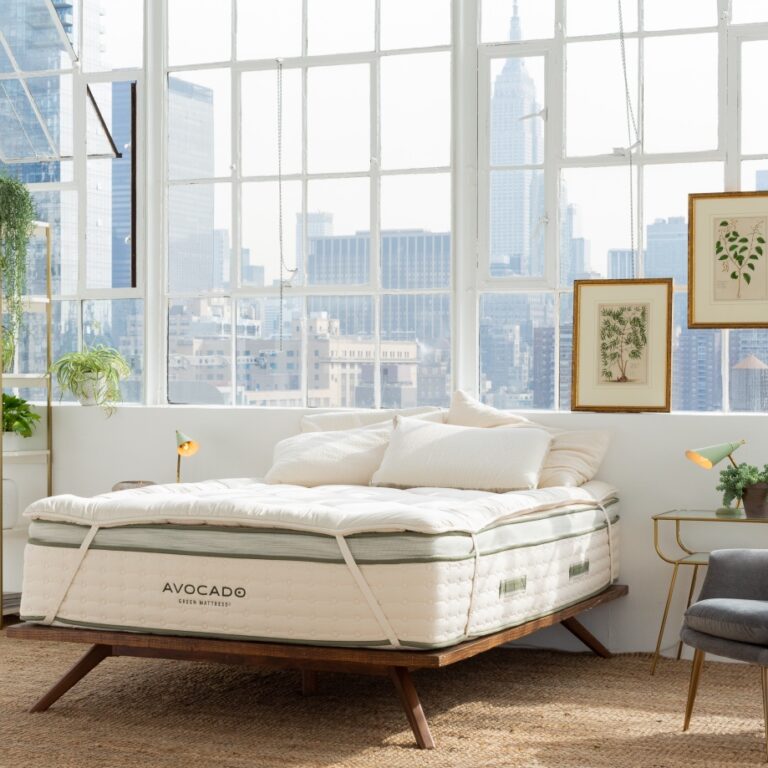
A mattress that feels soft the second you lie down.
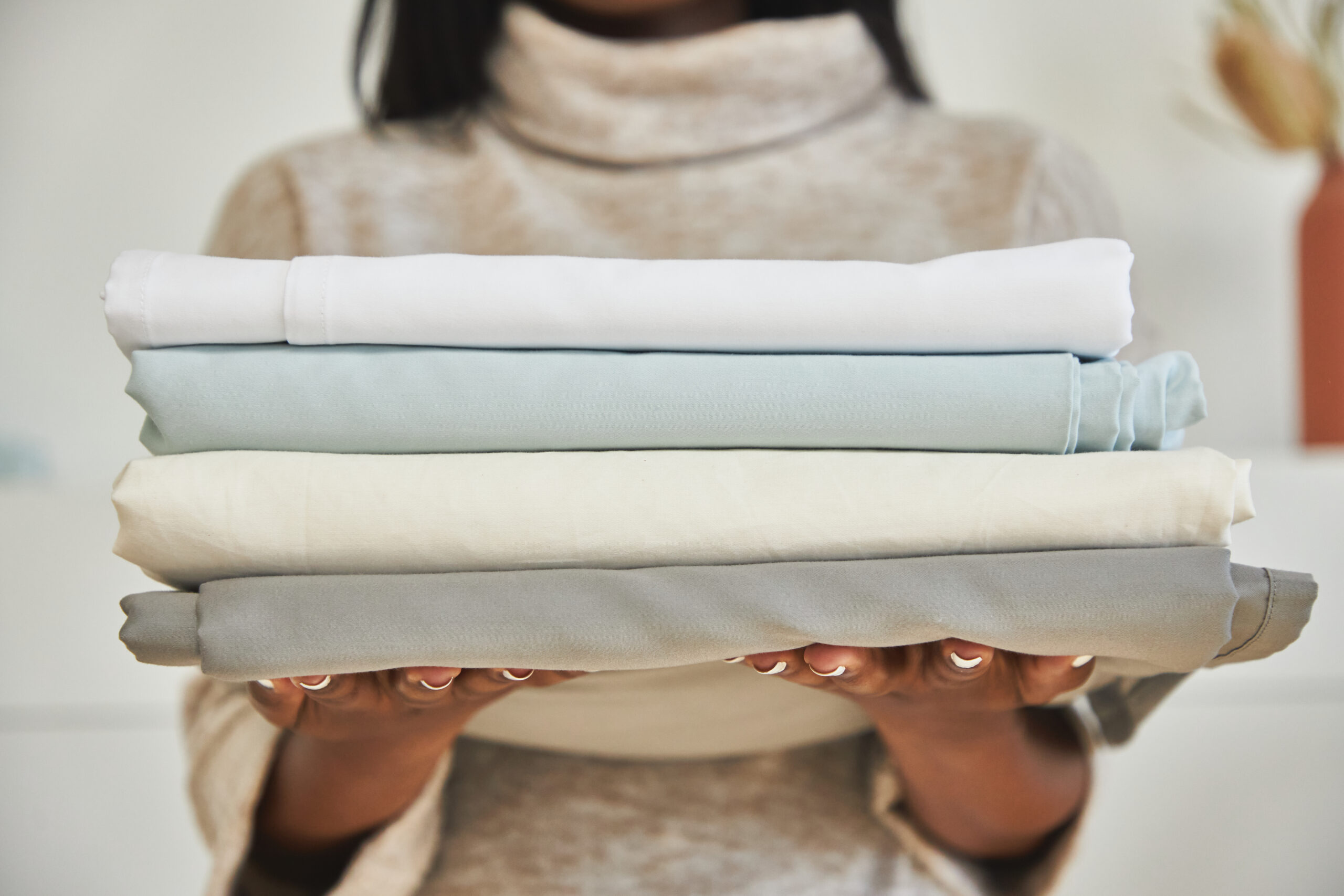
A fabric that’s smooth, lightweight, and easy.
It’s immediate. Effortless. Convincing.
But that first impression doesn’t always tell the full story.
Why We Trust What Feels Good
There’s a reason immediate comfort is so persuasive. We’re wired to respond to it.
Research on decision-making shows that people tend to favor immediate rewards over long-term outcomes, a tendency often described as present bias or instant gratification.
Which means that when something feels good right away, we’re more likely to trust it.
Not because we’ve fully evaluated it, but because it’s giving us a clear, sensory signal: this works.
And in many contexts, that instinct is helpful.
But when it comes to the things we live with every day, it can also be a little misleading.
Because comfort isn’t static. It changes over time.

Read more: The Psychology of Comfort: What Makes us Really Feel at Home
The Kind of Comfort That Fades
A lot of modern products are designed to feel good immediately, with softness often prioritized. Ease is built in, and there’s very little friction between you and the experience of using something.
And again, none of that is inherently bad.
But that kind of immediate comfort is often tied to materials and construction choices that don’t always hold up over time.
Foams compress. Fabrics wear down. Structures shift. The thing that felt supportive at first starts to feel…different.
Less stable. Less responsive. Less comfortable, in a way that’s harder to name.
Studies on product longevity suggest that materials designed for short-term comfort can degrade more quickly, especially when durability isn’t prioritized in design.
I’ve noticed this most with things that felt amazing at the start. The kind of purchase where you think, this is perfect. And then, slowly, without a clear moment of failure, it just stops feeling that way.
Which is a strange kind of shift.
Because nothing is technically broken. It just isn’t what it used to be.
Read more: Why Natural Materials Sleep Cooler Than Synthetics
Why We Keep Choosing It Anyway
If we’ve experienced this before, why do we keep making the same choice? Part of it is expectation.
We’ve gotten used to things feeling good right away.
Comfort has become something we associate with immediacy, something that should be obvious, noticeable, almost instant.
But, there’s also a broader cultural layer.
We’re surrounded by products and systems designed to minimize effort. Things that make life faster, easier, and more convenient.
Some research suggests that modern consumption patterns are increasingly shaped by convenience and short-term satisfaction, rather than long-term durability. Which subtly shifts what we value. Ease starts to feel like quality. Softness starts to feel like support. And anything that requires an adjustment period, something that doesn’t feel perfect right away, can feel like a compromise.
Even when it isn’t.
The Trade-Off We Don’t Always See
The tension between comfort and durability isn’t always obvious at the point of purchase.
In fact, it’s often hidden.
Because the qualities that make something feel good immediately aren’t always the same ones that allow it to last. Durability tends to be quieter.
It shows up in structure, in materials that hold their shape, in construction that supports consistent use over time. It’s not always the thing you notice first.
Research on product lifespan and sustainability consistently points to durability and extended use as key factors in reducing environmental impact.
Which means that the trade-off isn’t just about comfort versus longevity. It’s also about how often something needs to be replaced, and how much we end up consuming over time.
Read more: Tiny Habits, Big Difference: 5 Eco-Friendly Changes That Stick
Rethinking What Comfort Actually Means
So, if immediate comfort can fade, what does lasting comfort look like? Well, it’s usually a little less dramatic.
Less about that initial wow moment, and more about how something continues to feel over time.
It’s support that stays consistent and materials that adapt rather than collapse. Those that are designed to maintain structure and airflow over time.
I’ve started to notice that the things I find most comfortable now aren’t the ones that impressed me right away. They’re the ones I didn’t have to think about again. The ones that didn’t require constant adjustment. The ones that just…kept working.
Designs that prioritize longevity often emphasize durability, repairability, and materials that maintain performance over long periods of time.
Which creates a different kind of comfort—not immediate, but sustained. Not attention-grabbing, but reliable.
A Different Kind of Satisfaction
There’s something slightly less exciting about choosing longevity. It doesn’t always come with that instant sense of certainty, and it might take a little longer to recognize. But over time, it tends to feel more stable and more aligned with how things are actually used.
Because real comfort isn’t just about how something feels when it’s new. It’s about how it feels after you’ve lived with it. After it’s been used, worn in, and adjusted to your routines.
And maybe that’s the shift.
Not moving away from comfort, but redefining it.
From something immediate and obvious, to something that deepens over time. Something that doesn’t fade, but settles in.
Read more: The End of Perfect Homes: Designing Spaces That Actually Support You
Have feedback on our story? Email [email protected] to let us know what you think!
Shop Pillows
The Essential Organic Pillow Collection
Gentle, breathable, non-toxic support.