







If there’s one given about sleep, it’s that most of us aren’t getting enough of it. And while you might be tempted to sleepmaxx your way to “perfect” shut-eye, sleep experts agree that the real answer lies in the basics: good sleep hygiene. Think simple, tried-and-true habits leading up to bedtime that make falling and staying asleep less of a nightmare and more of a sure thing. That’s where the 10-3-2-1-0 sleep rule comes in—an easy approach to set yourself up for a better night’s rest and a more energized tomorrow, even before your head hits the pillow. With the help of Dr. Michael J. Breus, PhD (aka The Sleep Doctor™), a double-boarded clinical psychologist and clinical sleep specialist, we break it down.
What Is the 10-3-2-1-0 Sleep Rule?
Created by a sports medicine physician, the 10-3-2-1-0 sleep rule outlines a series of practices to incorporate during your day—specifically 10, 3, 2, and 1 hours before bed—so that by the time you go to bed, it’s easy to fall and stay asleep. The idea is that just like you maintain oral hygiene by brushing and flossing your teeth, consistently following these steps can help support long-term sleep health and improve overall sleep quality:
- 10 hours before bed: No more caffeine
- 3 hours before bed: No more food or alcohol
- 2 hours before bed: No more work
- 1 hour before bed: No more screens
- 0 times hitting snooze in the morning
How to Follow It
10 hours before bed: No more caffeine
Coffee is America’s go-to morning pick-me-up for good reason. Caffeine stimulates the central nervous system, making you feel more alert and energized. However, that’s the last thing the body needs as you’re getting ready for bed and aiming for a solid eight hours of restful sleep. Because its effects can last up to six hours, Dr. Breus says having a 10-hour buffer between your last cup and bedtime can support uninterrupted sleep. So if you’re shooting to be asleep by 10 p.m., try to enjoy your last dose of caffeine by noon.
If the afternoon slump gets you every time, instead of reaching for another cup of coffee, consider these research-backed hacks for promoting sustained energy levels:
- getting morning sunlight first thing in the morning
- exercising earlier in the day
- eating a balanced breakfast with protein, complex carbohydrates, fiber, and healthy fats
- adding electrolytes to your water
3 hours before bed: No more food or alcohol
Having a midnight snack or nightcap might seem harmless, but a study published in the British Journal of Nutrition showed that eating too close to bedtime increases the likelihood of waking up frequently throughout the night. Add alcohol to the mix and, while it can make you feel sleepy at first, it actually disrupts your sleep cycle and limits REM sleep (the crucial part for optimal brain function). As Dr. Breus explains, our bodies aren’t built to digest food while lying down (hi, bloating, stomach discomfort, or heartburn). By avoiding any food or alcohol three hours before bed, you give your body time to fully digest, rest, and recover for a smoother night’s sleep.
If you’re used to having a late-night bite or drink, try these strategies instead:
- Prioritize balanced meals throughout the day to ensure you feel satiated
- If you feel hungry close to bedtime, opt for a light bite that’s high in protein and complex carbohydrates, like Greek yogurt with berries and nuts, to stabilize blood sugar as you sleep
- Sip on chamomile or mint tea, which has both calming and digestive benefits, as an alternative to alcohol

Read more: Sleep Is a Social Behavior
2 hours before bed: No more work
Whether it’s the mental stimulation or stress (or both), working too close to sleep can heighten alertness and translate to a night of tossing and turning. On the other hand, shutting the laptop two hours before turning in lets your brain switch off and you reclaim sound sleep. According to Dr. Breus, this helps reduce stress and ease what he calls “monkey mind,” the ruminating thoughts that keep you up at night. Instead of checking email or chipping away at a deadline pre-sleep, wind down with soothing practices, like listening to music, taking a warm shower, or stretching, to create a relaxed state of mind.
1 hour before bed: No more screens
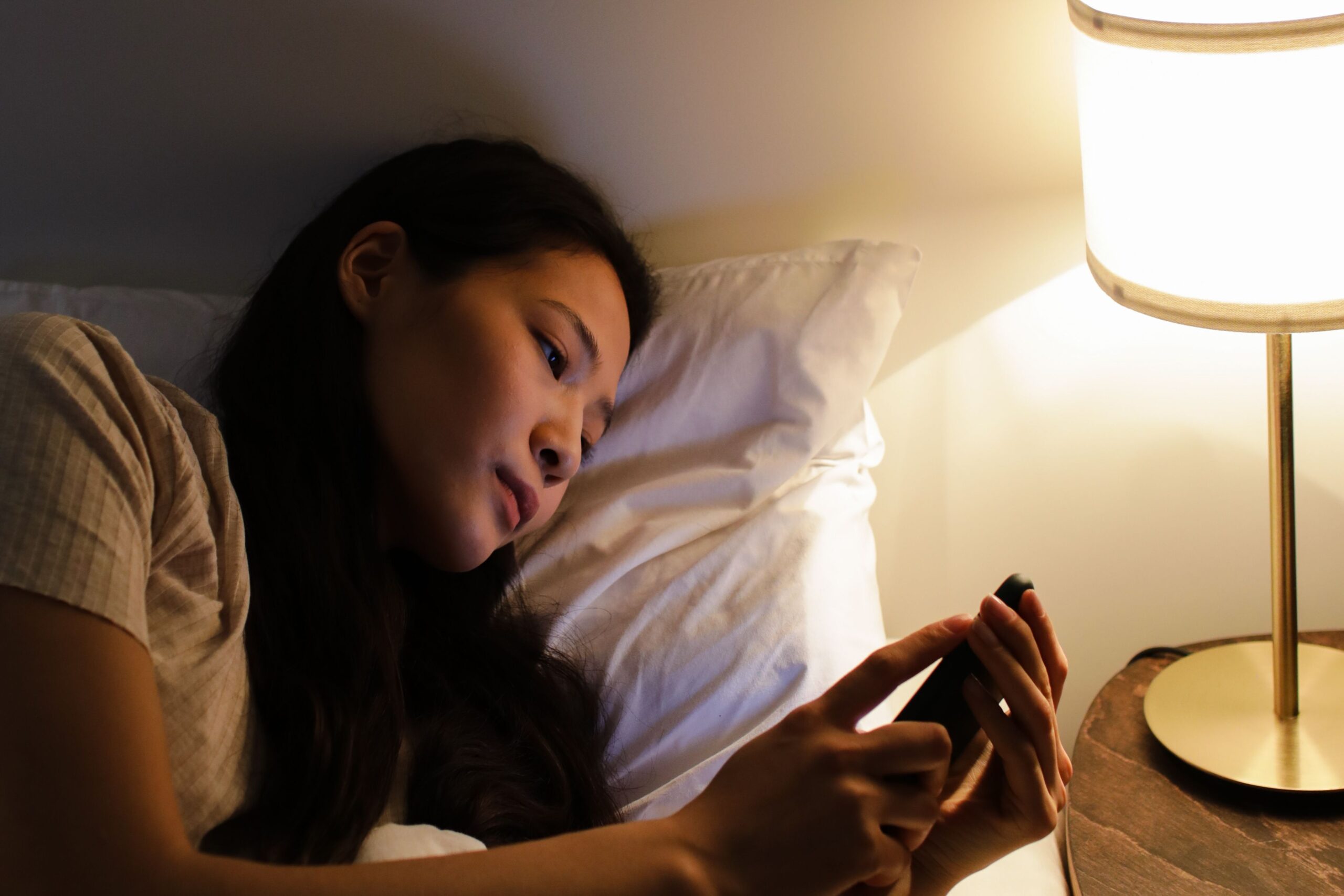
Blue light exposure in the evening has gotten a bad rap for messing with our circadian rhythm. Research has found that the light from devices, like smartphones, TVs, and laptops, before bed can suppress melatonin (the hormone that signals your body to settle down for the night), making it more difficult to fall asleep. However, Dr. Breus’ concern is more about what you’re consuming on your device, rather than whether there is any blue light. For example, chasing a new high score on Candy Crush won’t do your sleep any favors, whereas rewatching a nostalgic show just might. Then there are the calming, screen-free rituals that can help prepare your mind and body for lights out, like reading a book, journaling, or meditating. But if the “no screens before bed” rule doesn’t quite stick, at the very least, minimize their impact on your sleep: turn off notifications and enable your phone’s night mode to display a warmer hue.
Read more: How to Increase Deep Sleep for Better Rest
0 times hitting snooze in the morning
We’ve all been there: the alarm goes off and you think, just five more minutes. But pressing the snooze button can fragment your sleep and leave you feeling groggier. “The average snooze is only eight minutes long, and you cannot physically get back into a deep stage of sleep [after snoozing], so all you are really doing is giving yourself light, inferior sleep,” Dr. Breus says. Regularly hitting snooze for more than 30 minutes could indicate a deeper issue, such as sleep deprivation. And in that case, snoozing may actually make things worse. If you can relate, try heading to bed earlier or gradually adjusting your wake-up time by 10-15 minutes earlier every few days. By skipping the snooze button, you can wake up feeling more rested and alert.
Tips for Trying the 10-3-2-1-0 Sleep Rule
While sleep isn’t one-size-fits-all, the 10-3-2-1-0 method offers a simple framework to adopt healthier habits that prime your body for better rest. If you decide to try it, Dr. Breus recommends keeping these pointers in mind:
- Before trying it, regularize your sleep schedule by setting a consistent bedtime, so you have a reference point to work backward from, and consult your doctor to ensure it’s right for your individual health needs.
- When following this sleep approach, you may find more time on your hands. Fill it with relaxing activities, like gentle stretching, but avoid anything too intense since raising your body temperature can make falling asleep more difficult.
- It’s about progress, not perfection. Don’t attempt all the steps at once. Rather, start by committing to the first ritual for 5-7 days, allowing it to naturally become a part of your routine. Then, add one new step every few days.
Read more: How Sleep Impacts Metabolic Health
Have feedback on our story? Email [email protected] to let us know what you think!
Shop Pillows
The Essential Organic Pillow Collection
Gentle, breathable, non-toxic support.