


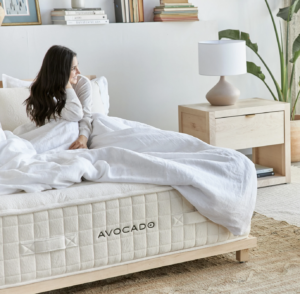
For much of the past decade, “good design” was synonymous with restraint. Clean lines. Neutral palettes. Carefully styled shelves. Homes were expected to look serene, uncluttered, and effortlessly put together, often at the expense of feeling lived in.
But lately, something has shifted.
In 2026, our relationship with home looks less like a showroom and more like a reflection. Spaces are becoming warmer, softer, and more personal. The hyper-polished minimalism that once dominated design feeds is giving way to homes that feel grounded, supportive, and human. Places that prioritize how we feel over how they photograph.
Today, people aren’t abandoning beauty; they’re redefining it.
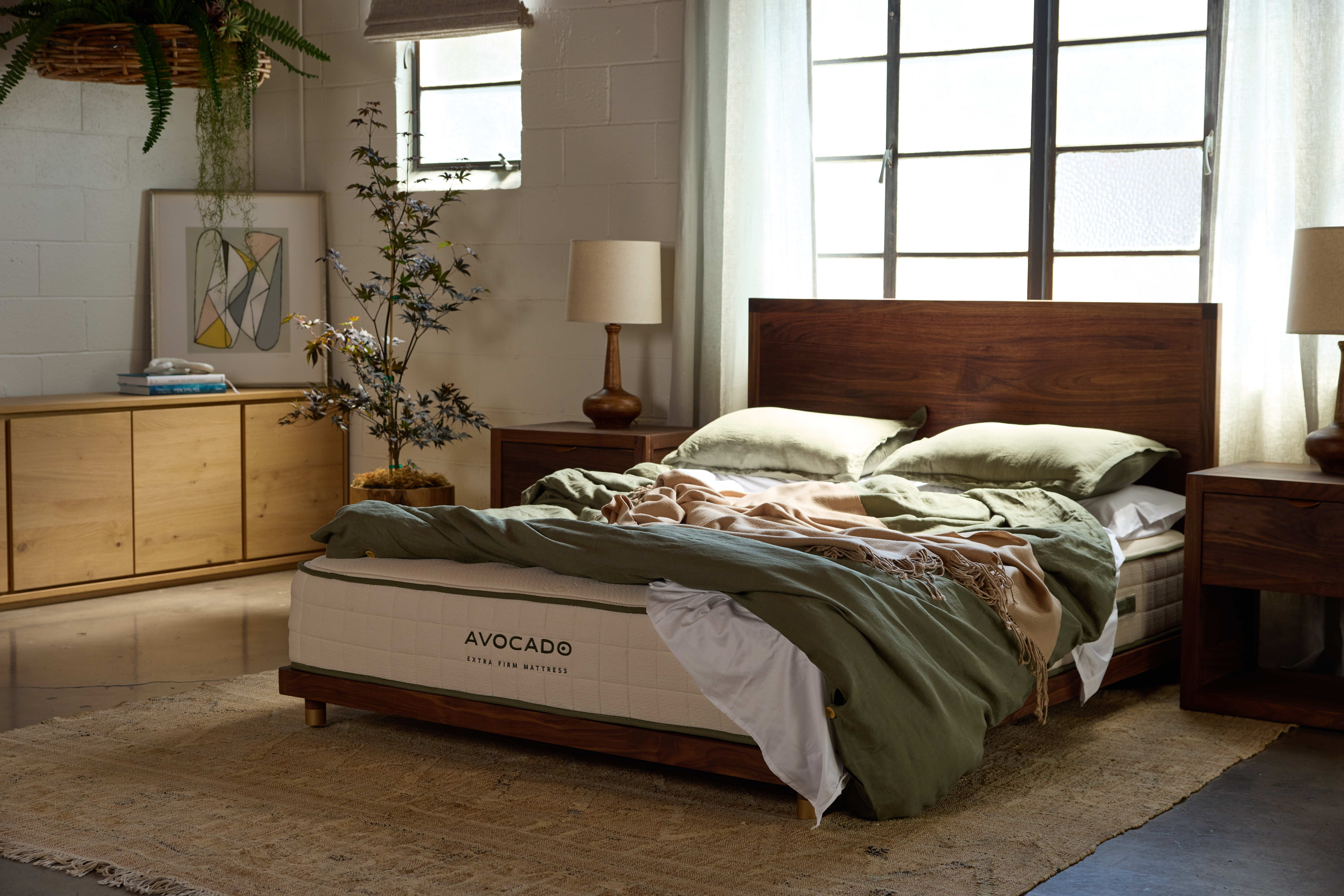
Read More: The Avocado Lookbook – Wabi Sabi Bedroom
Why “Perfect” No Longer Fits
The desire for perfectly curated homes didn’t emerge in a vacuum. As work, social life, and creativity increasingly moved online, our physical environments became extensions of our public selves. Homes weren’t just places to live—they were backdrops, brands, and visual statements.
But perfection comes with a cost.
Highly controlled spaces can feel rigid, impersonal, and surprisingly stressful to maintain. When everything has to look untouched, there’s little room for real life: for kids, pets, mess, movement, or rest. Over time, the pressure to keep a home “camera-ready” can make it feel less like a refuge and more like another performance.
As conversations around mental health, burnout, and sustainability deepen, many people are questioning whether their spaces actually support them, or if they’re simply reflecting an aesthetic ideal.
The Rise of Lived-In Design
Today’s most compelling homes feel collected rather than constructed. Instead of trend-driven purchases, people are gravitating toward objects with texture, history, and meaning, items that invite touch and use.
Natural linens wrinkle. Wood shows wear. Wool softens over time. These materials don’t pretend to be pristine; they age alongside us.
Design publications like Architectural Digest and The New York Times have noted a renewed interest in organic forms, handmade objects, and spaces that prioritize comfort and personality over precision, an aesthetic shift often described as warm minimalism or softened modernism. But beyond terminology, the emotional pull is clear: people want their homes to feel safe, grounded, and real. Choosing natural fibers like organic cotton sheets, linen bedding, or wool rugs supports this shift. These materials aren’t meant to look untouched; they’re meant to look organic, inviting, and lived with.
Antiques Over Trends
One of the clearest signals of this shift is the return of antique and vintage pieces. Instead of cycling through trending furniture every few years, more homeowners are investing in items that carry a sense of permanence.
Antiques bring imperfection by default: worn edges, uneven finishes, evidence of use. They also bring narrative—objects that have existed beyond a single season or algorithm.
This move aligns closely with sustainability concerns. Buying fewer, better-made items, especially those that already exist, reduces waste and resists the churn of disposable design. According to reports, interest in secondhand furniture and home goods continues to rise, driven by both environmental awareness and a desire for uniqueness.
A nightstand with patina, a vintage lamp, or a reclaimed wood table doesn’t just furnish a space; it also gives it meaning and story. Plus, when we weave in newer pieces like a solid wood bed frame or thoughtfully designed lounge chair with older, collected items creates balance and a grounded energy. The goal these days isn’t to match every item in our homes; it’s to create a sense of harmony and ease.
Natural Textures, Softer Shapes
Alongside this return to the personal is a move away from sharp edges and rigid geometry. Curved sofas, rounded tables, layered textiles, and tactile surfaces are everywhere. Not as trends, but as responses to how people want to feel at home.
Softness communicates safety. Texture invites rest. Rugs that cushion footsteps. Pillows that don’t need constant fluffing. Throw blankets that live permanently on the couch. These aren’t decorative afterthoughts, they’re functional comforts. And, today, comfort is no longer something that has to be hidden…it can (and should) be part of the design.

Read More: Styling Our Furniture with Avocado’s Director of Interior Design
Homes That Support Daily Life
As more people spend time working, resting, and gathering at home, functionality has become inseparable from wellness. A beautiful space that doesn’t support daily rhythms quickly becomes frustrating.
This is where personal design choices matter most.
A desk that supports focus and posture. Towels that feel good against the skin after a long day. A dog bed placed where your pet naturally settles, not tucked out of sight for appearances.
These details may not read as “design statements,” but they shape how a home feels on a lived-in level. Thoughtful essentials like this quietly influence sleep, energy, and recovery. When these basics are right, everything else feels easier.
Increasingly, people are designing their homes around how they actually move through the day, not how a space looks at a standstill. Morning routines, mid-day pauses, and evening wind-downs all leave their imprint on a room. A bedroom that supports sleep, a workspace that encourages focus without strain, or a living room that invites people to sit and stay awhile becomes part of a larger ecosystem of care.
When a home works with you—supporting rest, productivity, and comfort in subtle ways, it reduces friction rather than adding to it. Over time, those small design decisions compound, shaping not just a space, but how it feels to exist inside it.
Letting Go of the Performative Home
Perhaps the most meaningful part of this shift is what it releases.
There is less pressure to justify choices, to keep up with trends, or to maintain a singular aesthetic throughout every room. Homes are allowed to evolve alongside the people who live in them. Children’s rooms don’t need to look curated. Pet accessories don’t need to disappear. Furniture arranged for comfort instead of symmetry. In this model, personalization isn’t clutter. It’s care.
For years, comfort was treated as something separate from good design. Practical, perhaps, but not aspirational. Today, that line is blurring, and comfort is increasingly seen as a marker of thoughtful design, not a compromise. Spaces that invite you to sit, stretch out, rest, or linger reflect a deeper understanding of how homes are actually used. When comfort is built in (rather than added as an afterthought) it signals a shift toward intentional design that supports the body as much as the eye.
At its best, a home should restore what the world depletes. This idea runs counter to the notion of perfection. Restoration requires softness, flexibility, and forgiveness…qualities that pristine spaces rarely offer.
A restorative home anticipates real life: late nights, early mornings, quiet afternoons, loud dinners, sick days, celebrations, and everything in between. It supports rest without demanding upkeep.
Looking Ahead: Homes That Feel Like You
The move from perfect to personal isn’t a rejection of design—it’s an evolution of it.
As wellness becomes more about sustainability than self-optimization, our homes are following suit. They are becoming places of refuge rather than display, support rather than statement.
The most beautiful spaces in 2026 won’t be the most minimal or the most curated. They’ll be the ones that feel deeply lived in. The ones that reflect real routines, real relationships, and real rest.
Because ultimately, a home doesn’t need to impress anyone. It just needs to support the life unfolding inside it.
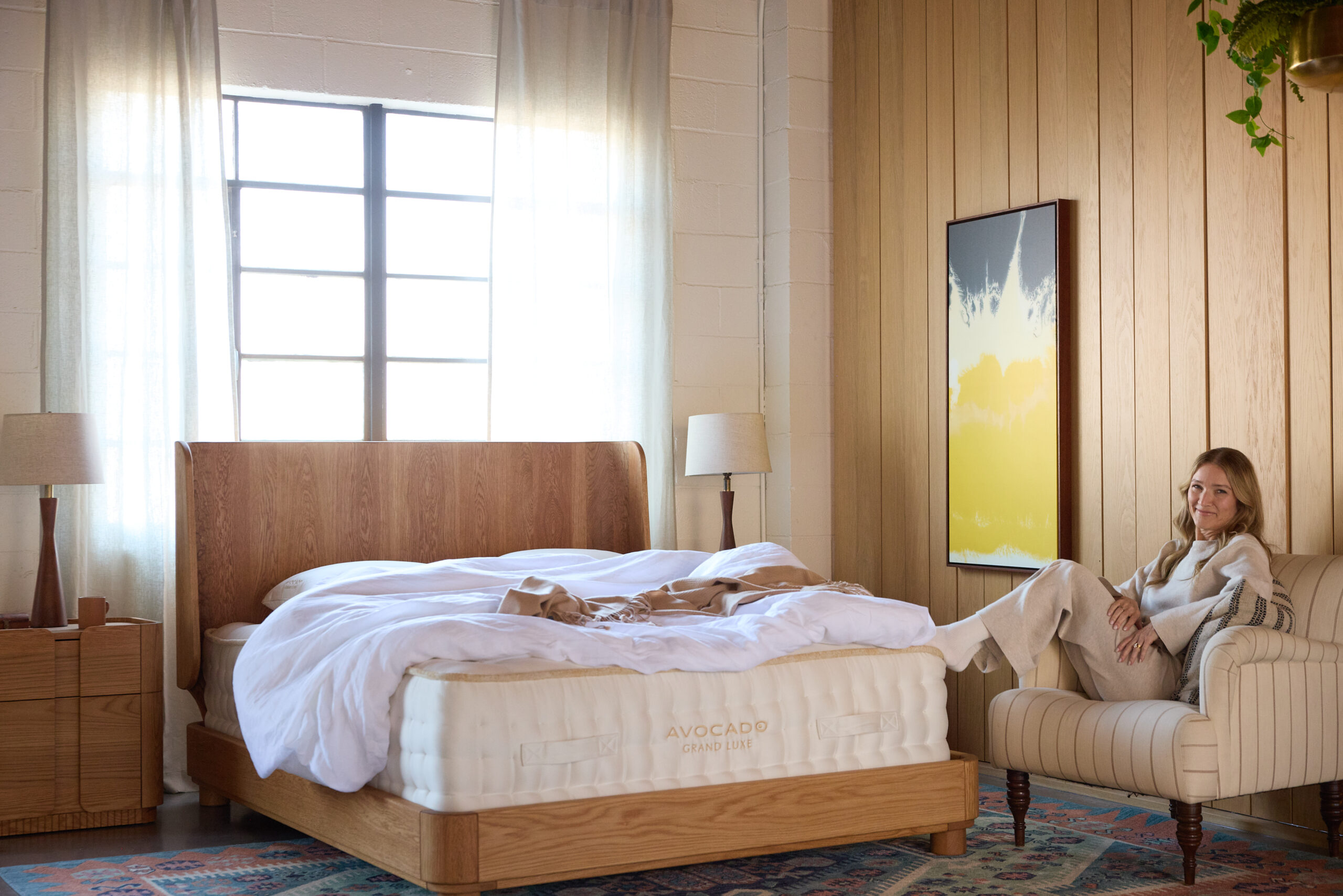
Read More: The Psychology of Comfort: What Makes us Really Feel at Home
Have feedback on our story? Email [email protected] to let us know what you think!
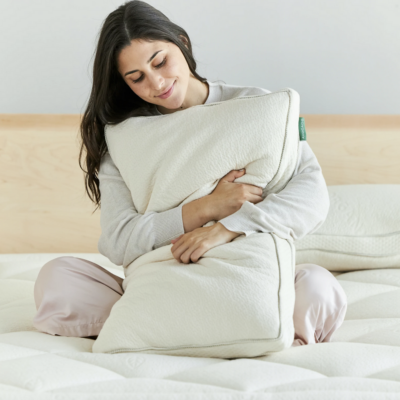
Shop Pillows
The Essential Organic Pillow Collection
Gentle, breathable, non-toxic support.