




While binge-watching Nip/Tuck one night, I noticed a crack in my phone case and instinctively thought, I should get a new one. It wasn’t broken—just worn. But like so many things that show their age, my first response wasn’t to repair it or ignore it. It was to replace it.
That reflex felt automatic, almost neutral. At some point, we became conditioned to see wear as a signal to upgrade rather than an invitation to reconsider. Phones, appliances, furniture…when something looks less than new, we assume its time has passed.
How did we get here, and what shifts emotionally, financially, and environmentally when we choose not to follow that script? The instinct to replace didn’t emerge overnight; it was shaped slowly, over time.
Read more: A Mattress’s Life: How It’s Made, Used, and Reused
How We Were Taught to Want More
For most of human history, consumption meant meeting basic needs—food, shelter, clothing—and that’s it. But in the early 20th century, something shifted. What it meant to be a “consumer” didn’t just expand; it became central to how many of us understand ourselves. Before World War I, the idea of people primarily viewed as consumers was beginning to take shape, and by the 1920s, it had become commonplace in America. 
A few big things helped shape this new style of consumption. As industrial production scaled up, department stores and mail-order catalogs proliferated, bringing a flood of goods into everyday view. Retailers didn’t just sell products—they sold desire. Shopping became a social activity, and owning things quickly became a way of showing belonging, status, and aspiration.
Advertising and media also helped to amplify this shift. With the rise of radio and, especially, television in the mid-20th century, corporations perfected the art of making everyday objects seem not just useful but essential to happiness and identity. What had once been durable tools became symbols of who we were and who we wanted to be, and that reframing encouraged a culture of newness, where upgrading often felt like progress itself.
This cultural landscape laid the groundwork for the patterns we live with today: frequent model releases, marketing that equates change with improvement, and a persistent sense that what we have is only good until something newer comes along. The result isn’t just more stuff, it’s an impulse to keep replacing, even when replacement isn’t necessary. Against that backdrop, choosing to keep what we already have can feel like a small but meaningful departure.
The Value of Keeping Things
Repairing something—whether it’s sewing a button back onto a coat or carefully applying superglue to the back of a phone case—requires a different kind of attention. It asks you to slow down and really look at what you have: how it works, where it’s worn, and what it still offers. In a culture that encourages fast upgrades at the first sign of wear, that kind of attention can feel odd—but also grounding. It’s in that pause, when we decide something still has life left in it, that an object shifts from something temporary to something personal.
We’re living in a time where social media has made impulse buying feel almost too easy. With a few taps, we’re encouraged to act on a feeling before it has time to settle. That constant stream of “limited drops,” perfectly styled hauls, and personalized ads can blur the line between desire and necessity. What looks like a small, spontaneous purchase often adds up—not just financially, but mentally—reinforcing a cycle of short-term satisfaction followed by indifference, or even regret. Pausing to question that instinct creates space for clarity. It turns buying from a reflex into a choice, and helps us align what we bring into our homes with what we actually value and use. When those choices are repeated across homes and households, their impact begins to extend far beyond the personal.
Read more: A Mattress’s Life: How It’s Made, Used, and Reused
What We Leave Behind
When we choose not to replace something simply because we can, that decision doesn’t just change how we relate to our belongings; it impacts the choices we make beyond our homes. In the U.S., textile waste has grown by more than 50 percent over the past two decades, driven in part by a culture of constant upgrading and replacement. According to a Business Insider analysis, fashion production accounts for 10% of total global carbon emissions.
Choosing to repair, buy secondhand, or keep something a little longer is often framed as a small, individual act. But multiplied across households, those decisions add up. Fewer upgrades mean fewer items entering landfills, less energy spent on production, and fewer resources pulled from the ground to make things we might not even need in the first place.
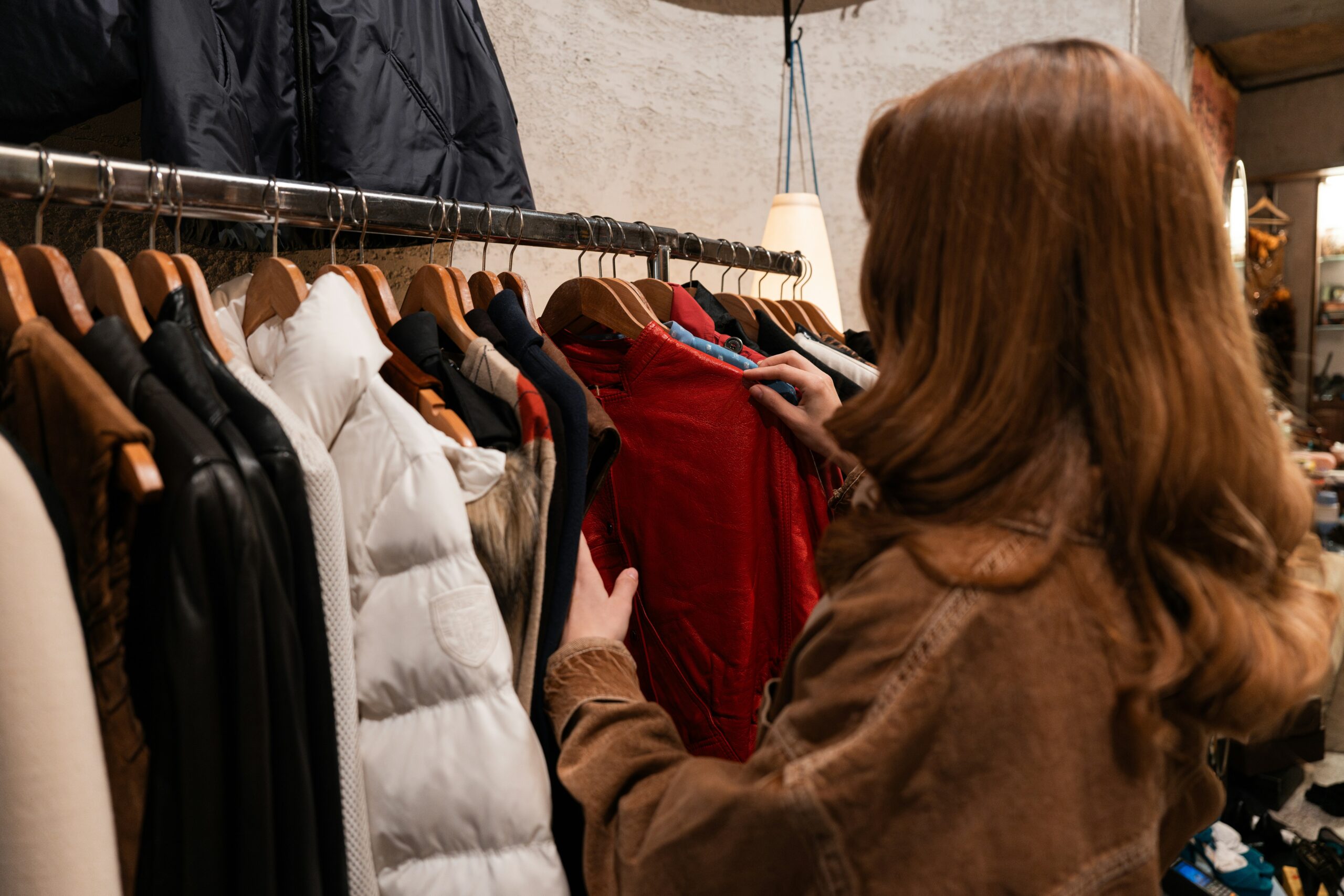
There’s also a practical upside that’s often overlooked. Extending the life of what we already own—or choosing items that already exist—can ease the cycle of constant spending that comes with chasing the next upgrade. Buying secondhand, in particular, keeps materials in circulation and usually costs less than buying new, reminding us that value isn’t always tied to novelty—and that the most sustainable choice is often the most practical one, too. For many people, those practical choices begin to carry meaning beyond sustainability alone.
A Quiet Form of Resistance
There’s something quietly powerful about opting out of constant replacement. Repairing, reusing, or choosing secondhand can function as a form of everyday activism—one that doesn’t require perfection or grand gestures. It’s not about doing everything “right,” but about making intentional choices within the rhythms of daily life.
In a culture that equates newness with progress, deciding to keep what already works is a subtle act of resistance. It challenges the idea that value is fleeting or that usefulness has an expiration date. Each time we choose to mend instead of replace, or to reuse instead of upgrade, we’re pushing back—gently but deliberately—against a system built on disposability.
This kind of activism is accessible by design. It doesn’t demand more consumption, more spending, or more effort than we can give. It simply asks us to notice what we already have, and to decide that it’s worth caring for a little longer.
Choosing products that are built to endure can be part of that quiet resistance. Investing in fewer, well-made essentials—like mattresses, designed for long-term use rather than constant upgrading—offers a way to align everyday comfort with values of care and intention. When the brands we choose reflect the same commitment to longevity that we’re trying to practice at home, the decision to keep what works becomes even more sustainable. And more meaningful.
Still Holding
A crack in a phone case is easy to ignore. It doesn’t stop the case from working, and most days it barely registers at all. But it does pose a quiet question: at what point do we decide something is no longer worth keeping?
For many of us, that question comes up more often than we realize—in the clothes we stop wearing at the first loose seam, the appliances we replace before they truly fail, the upgrades we consider simply because something newer exists. And each time, we’re offered a choice: to replace without thinking, or to pause and take stock of what still works.
In a culture that’s constantly pointing toward the next thing, choosing to keep what’s already serving us can open the way to something gentler. It can reshape how we spend, how much we hold onto, and how connected we feel to the objects that support our daily routines. Sometimes, hope looks less like buying something new and more like recognizing the value of what’s already here, and deciding it’s worth keeping a little longer.

Read more: Companies That Care: Why Corporate Responsibility & Impact Reports Matter
Have feedback on our story? Email [email protected] to let us know what you think!
Shop Pillows
The Essential Organic Pillow Collection
Gentle, breathable, non-toxic support.