




Somewhere along the way, humans became terrible sleepers.
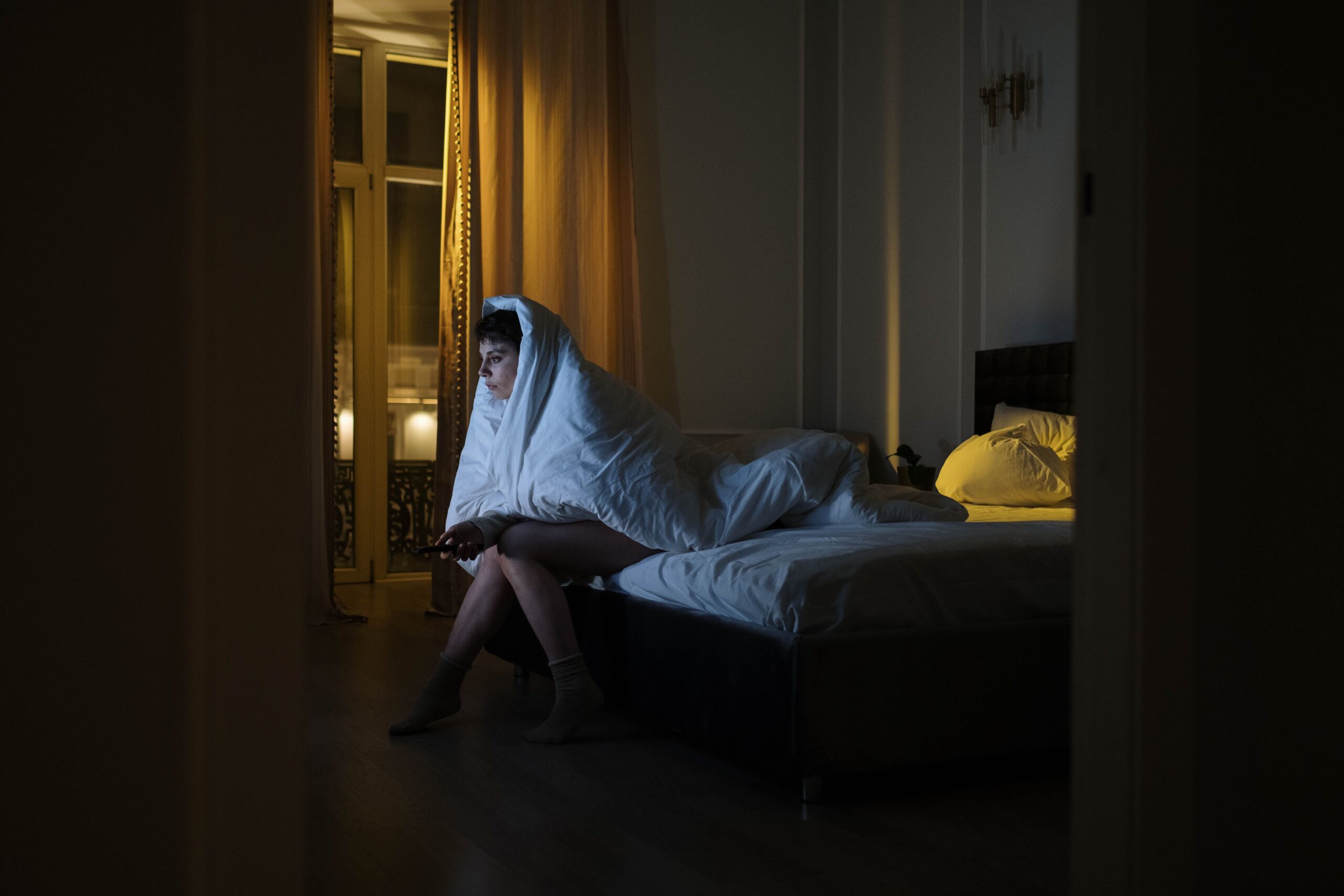
Like a lot of people, I’ve had a complicated relationship with sleep. I’m a big fan–but when it comes to actually getting to sleep, I’ve often encountered a bit of a barrier. For me, I usually feel the most creative late at night. And in my mind, if I go to sleep too early, I’ll miss out on the opportunity to indulge in said creativity.
This doesn’t apply to everyone, of course. Plenty of people sleep soundly every night. But as a culture, we’ve developed a strangely complicated relationship with something that should be one of the most natural processes in the world.
We track our sleep with apps. We experiment with supplements. We search the internet at 2 a.m. for answers to questions like “Why am I awake right now?” Meanwhile, most animals seem to manage sleep without blackout curtains, magnesium gummies, or a carefully constructed bedtime routine—and wake up without consulting a sleep score or, presumably, spiraling about it.
Which raises a curious question: if sleep is such a fundamental biological process, why do humans seem to struggle with it so much?
To start answering this question, it might help to look outside of our own species.
How Sleep Looks Across the Animal World
Sleep, it turns out, is far less uniform than we tend to think.
According to the San Diego Zoo Wildlife Alliance, animals sleep in a wide range of ways depending on their environment, physiology, and survival needs. Some species settle into longer periods of rest, while others sleep in short, scattered intervals throughout the day.
In certain cases, sleep looks almost nothing like our own. Some animals remain partially alert while resting, while others adapt their sleep patterns to avoid predators or stay responsive to their surroundings. Instead of one long, uninterrupted stretch, sleep often bends to fit the conditions around it.
Which makes human expectations feel a little rigid by comparison.
We tend to think of sleep as something that should happen all at once, at night, for a set number of hours, ideally without interruption. But across the natural world, sleep is far more flexible—and far more responsive to the environment.
Seen this way, the problem may not be that humans are uniquely bad at sleeping. It may be that we’re expecting sleep to behave in a way that no other species really does.
When the Environment Changes, Sleep Changes
Modern life, however, looks very different.
Artificial light stretches well past sunset. Phones and laptops emit blue light, which can delay melatonin production, the hormone that signals sleep. Indoor temperatures remain constant year-round. Noise, notifications, and late-night screen use keep the brain switched on long after the body might otherwise begin winding down.
Compared to the environments most animals sleep in, human sleep spaces are usually controlled, and unusually stimulating.
At the same time, the materials surrounding our sleep spaces have changed dramatically.
Synthetic foams, plastics, and chemically treated fabrics can affect airflow, trap heat, or introduce environmental irritants into the sleep environment. While these materials aren’t inherently harmful, they can create conditions that feel very different from the cooler, more breathable environments the human body evolved to sleep in.
Researchers recognize that sleep is deeply influenced by environmental signals. Light exposure, temperature changes, and air quality all play a role in regulating circadian rhythms and sleep quality.
When those signals become inconsistent or disappear entirely, the body’s internal clock can struggle to maintain its natural rhythm.

Read more: Do Blackout Curtains Really Help You Sleep Better? Here’s What The Science Says
The Body’s Built-In Sleep Clock
At the center of human sleep is the circadian rhythm, the internal biological clock that regulates sleep and wake cycles over roughly 24 hours.
This system coordinates the release of hormones like melatonin and cortisol, helping the body transition between alertness and rest. Exposure to natural light during the day and darkness at night helps keep this clock aligned with the external world.
But modern environments can easily throw that system off.
Late-night screen exposure, irregular schedules, and artificial lighting can blur the body’s sense of time. Even small disruptions (like bright overhead lighting late in the evening) can delay melatonin release and make it harder to fall asleep.
Temperature plays a role as well. Research shows that cooler nighttime environments help the body enter deeper stages of sleep by supporting natural drops in core body temperature.
In other words, the body relies on environmental cues to know when sleep should begin.
When those cues disappear, the brain often resorts to just guessing. Whereas most animals don’t have to, because their environment provides those signals automatically.
What a Natural Sleep Environment Actually Looks Like
If modern environments have made sleep more complicated, the solution may not lie in more gadgets or optimization strategies. Instead, it may involve returning to conditions that more closely resemble the environments in which humans evolved to sleep.
Not because we need to sleep like other animals, but because our bodies still follow a lot of the same basic rules.
Sleep researchers often describe an ideal sleep environment using a few key principles:
- Darkness
- Limiting nighttime artificial light helps maintain healthy melatonin production and supports the body’s natural circadian rhythm.
- Cooler temperatures
- Bedrooms that are slightly cooler than daytime living spaces tend to support deeper, more restorative sleep.
- Quiet, stable surroundings
- Reducing sudden noise or disruptions helps the brain move through deeper sleep cycles without interruption.
- Breathable materials
- Natural fibers and breathable sleep surfaces can help regulate temperature and improve airflow throughout the night.
Together, these factors create what sleep researchers sometimes call a sleep-supportive environment, one where the body can transition naturally into rest.
The Surfaces We Sleep On
For most animals, sleep happens directly within their environment.
There’s no real separation between their body and the ground beneath them. Whether it’s grass, sand, trees, or burrows. Animals sleep on surfaces that are naturally breathable, responsive to temperature, and closely tied to their surroundings.
Human sleep, on the other hand, looks very different.
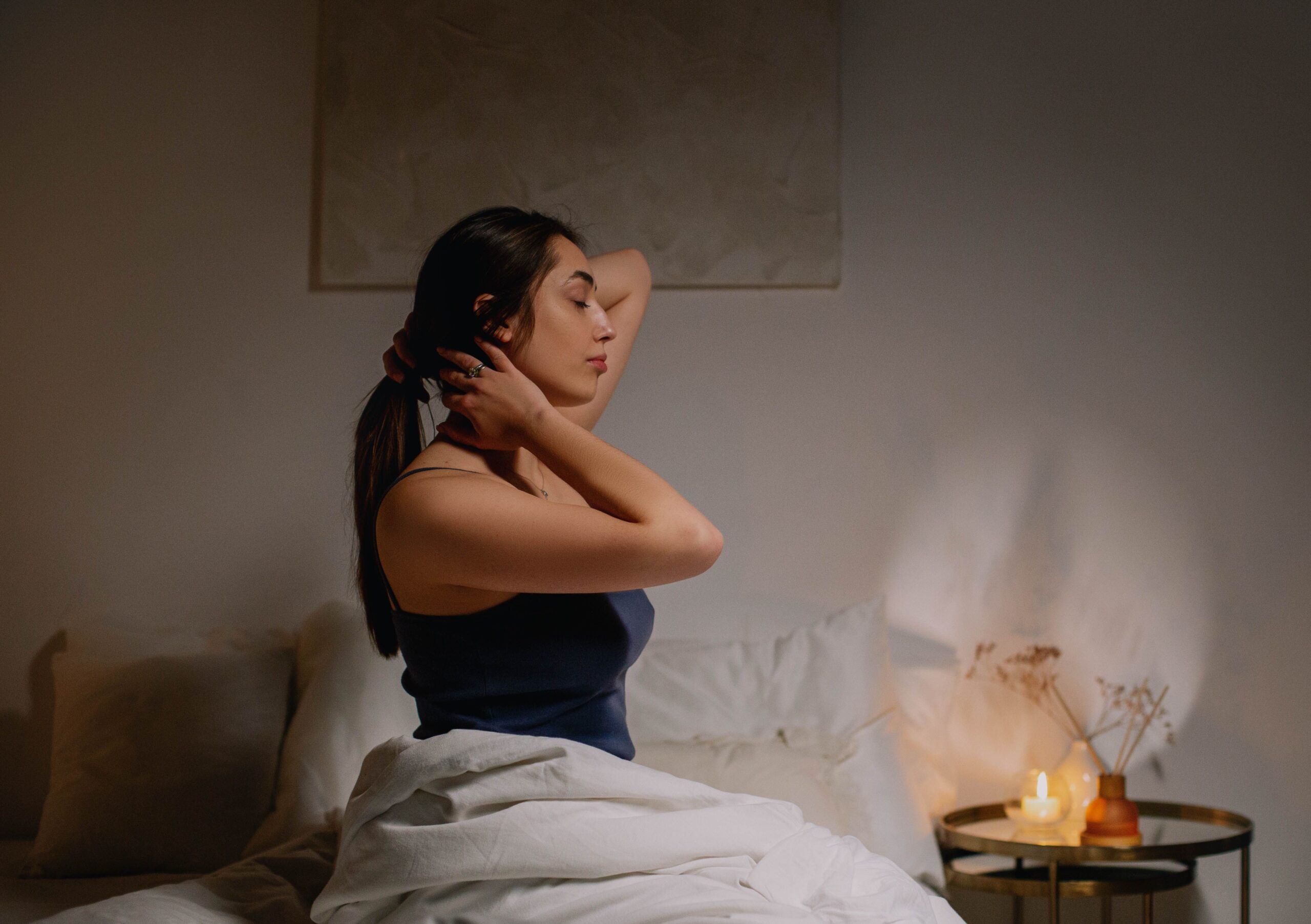
We’ve introduced layers—mattresses, frames, synthetic materials that create distance between our bodies and the environment itself. These layers can add comfort, but they can also change how heat, airflow, and pressure are experienced during sleep.
In some cases, that distance can make it harder for the body to fully relax.
Surfaces that trap heat or restrict airflow can disrupt the body’s natural temperature regulation, while a lack of proper support can lead to subtle tension or movement through the night.
This is where the idea of a “natural” sleep environment becomes more nuanced.
It’s not about removing comfort, but rethinking how sleep surfaces interact with the body. Materials that allow airflow, temperature regulation, and provide consistent support might seem yards away from sleeping on the frozen ground. But the closer our sleep environments align with what our bodies are designed for, the easier it becomes to actually rest.
And in many ways, this points to a bigger shift in how we think about sleep. Not as something separate from our environment, but as something that is constantly shaped by it.
Read more: 6 Natural Sleep Aids You Can Find in Your Kitchen
Why “Real” Environments Matter
At its core, the idea that “real is better” reflects something simple about human biology.
Our bodies evolved in environments shaped by natural cycles. Think daylight and darkness, warmth and coolness, activity and rest. When our surroundings reflect those rhythms, sleep often comes more easily.
But when the signals become inconsistent—too much light, too much heat, too much stimulation—the body has to work harder to maintain balance.
That doesn’t mean modern life needs to look like a return to caveman sleeping conditions. Electricity, comfortable homes, and modern conveniences aren’t going anywhere (thankfully).
But small shifts in the sleep environment can help restore some of the signals our bodies rely on.
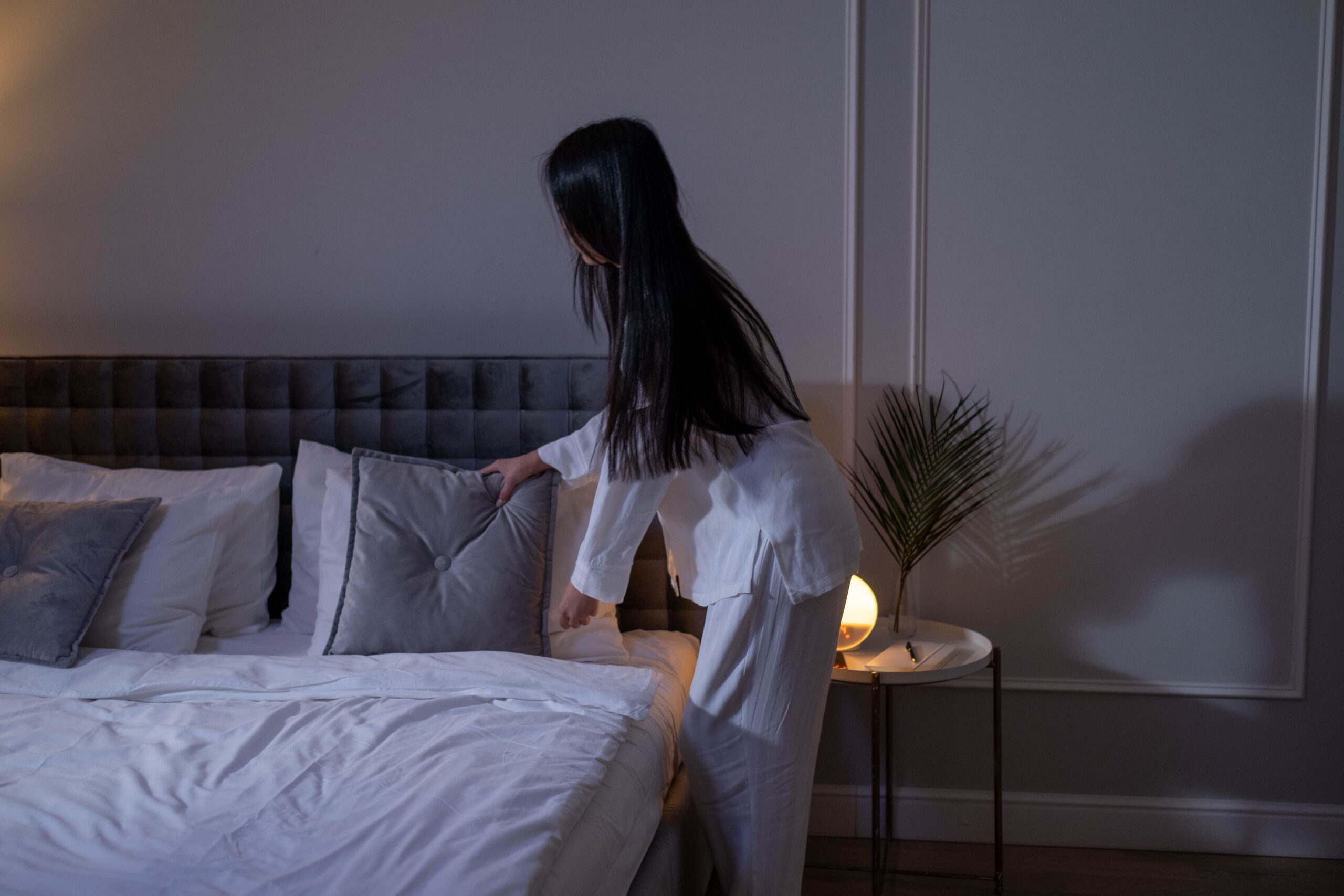
Dimmer lighting in the evening.
Cooler bedrooms at night.
Breathable materials that allow airflow and reduce heat buildup.
None of these changes is particularly complicated. But together, they help recreate conditions that align more closely with how human sleep evolved.
Read more: The Psychology of Comfort: What Makes Us Really Feel At Home?
Rethinking the Way We Approach Sleep
Today, sleep is often framed as something to perfect.
There are scores, trackers, smart devices, and endless advice on how to get it “right.” Some of it is helpful. Some of it just adds more pressure to something that’s already elusive.
But sleep isn’t a performance.
It’s a biological process that unfolds when the conditions are right.
Animals don’t track their REM cycles or follow bedtime routines. They respond to their environment and rest when it allows.
Humans are more complex, but the foundation is the same. We haven’t lost the ability to sleep, we’ve just made it easier to interrupt.
Which means that sometimes, better sleep isn’t about adding more. Sometimes it’s about getting back to what already works.
Read more: How to Create a Sleep Sanctuary: 6 Tips For a Good Night’s Sleep
Have feedback on our story? Email [email protected] to let us know what you think!
Shop Pillows
The Essential Organic Pillow Collection
Gentle, breathable, non-toxic support.