



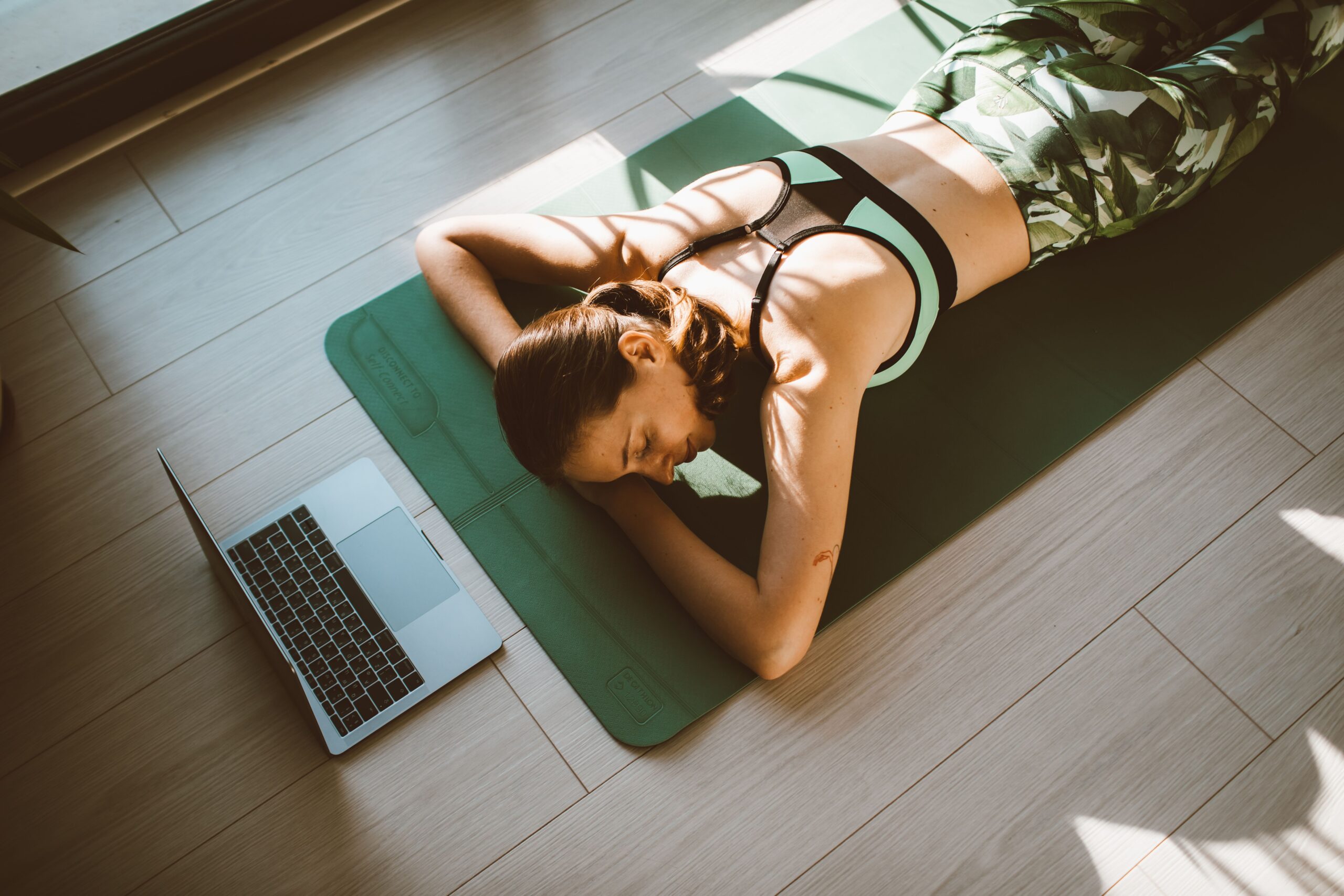



There are the early birds that swear by the 6 a.m. grind, getting their reps in at the gym before the sun is up. Then there are the after-work diehards, burning off the stress of the day. I get both camps—morning workouts have the get-it-out-of-the-way, energizing, and leads-to-better-sleep aspects going for them, while evening workouts help give a mental reset before bed. Still, the great fitness debate lives on: Is it better to work out in the morning or the evening? And do those nighttime sweat sessions really mess with your sleep? I turned to experts to settle it once and for all.
How Does Exercise Affect Sleep?
“Exercise packs a punch that can be both alerting and sleep promoting,” says Dr. Anne Marie Morse, a double board-certified neurologist and sleep medicine specialist. She explains that regular physical activity, especially higher-intensity exercise done earlier in the day, can promote wakefulness. For starters, it boosts the production of melatonin, a hormone that regulates circadian rhythm (aka the body’s natural sleep-wake cycle). And there’s more at play: Exercise is a well-known stress reducer, an all-too-common obstacle to falling and staying asleep. “Regular exercise has been shown to lead to moderate improvements in the ability to fall asleep and stay asleep as well as improvements in sleep quality,” Dr. Morse continues. “But the frequency, regularity, timing, type, and intensity of exercise matters.” More to come on that.
Dr. Emma Lin, a board-certified pulmonologist, sleep medicine specialist, and co-founder of ReadyO2.com, adds that exercise leads to the body’s increased ability to utilize oxygen in an efficient manner, which is crucial for getting a healthy night’s sleep.
Benefits of a Morning Workout
There’s no denying the “runner’s high” that follows a good sweat. The rush of so-called “feel-good” endorphins from a morning workout can set a positive tone by improving energy, mood, and mental clarity for the day ahead. And thanks to the circadian rhythm—where body temperature and cortisol levels rise in the morning—the body clock gets the signal that it’s time to be awake. In that state, the body may be better primed for movement earlier in the day.
A study in Health Psychology showed that cortisol not only helps regulate a sleep schedule, but it also helps form habits. Getting moving during the hormone’s natural morning peak can make it easier to stay consistent with a fitness routine while still allowing cortisol levels to drop to their nighttime low to support better sleep. What’s more, morning exercise makes you more likely to stick with healthier habits afterward and a more active lifestyle overall.

Read more: The Future of Wellness: The Biggest Health Trends Shaping 2026
Benefits of an Evening Workout
Evening workouts hit different. They can act as a way to unwind and relieve tension that has built up over a long day, helping you shut out the noise and mentally reset. And as it turns out, muscles have circadian rhythms themselves: core temperature, reaction time, and cardiovascular function are at their highest point around 6 p.m., meaning more strength, speed, and stamina. Your muscles are warmer, your joints are looser, and you’re more flexible, making you less prone to injuries this time of day (but FYI, injury can still happen anytime, so a proper warm-up and maintaining good form is a must any time of day).
And when you’re done working out? Exercise helps regulate body temperature. As it drops post-exercise, it induces sleepiness, making it easier to fall asleep. In fact, a low-key workout before catching Zs can increase slow-wave sleep, the deepest stage. The caveat? Avoiding intense exercise.
Does Working Out Close to Bedtime Interfere with Sleep?
“For many people, yes—especially if it’s moderate to high-intensity exercise,” Dr. Morse says. “Vigorous workouts raise core body temperature and stimulate our adrenaline and other alerting signals, which can make it harder to wind down.” But not all movement has the same effect. “On the other hand, gentle yoga or stretching before bed may help promote relaxation and facilitate an easier time to fall asleep.” That said, there’s no one-size-fits-all rule. Dr. Lin points out that some people have no trouble sleeping after any type of evening workout, as long as they build in a few minutes to properly cool down.

Read more: Should You Try Magnesium For Sleep?
Is It Better to Work Out in the Morning or the Evening for Better Sleep?
The short answer: it depends. If you have trouble getting to sleep, a morning workout is often most helpful. “Early morning exercise will get your body’s natural rhythms in line so you feel alert when you need to be and sleepy when you need to be, too,” Dr. Lin says. But if you’re not a morning person or you need an after-workday release, evening workouts can work in your favor.
“Exercise at any time generally improves sleep quality, but vigorous exercise within an hour of bedtime is more likely to have a negative impact on your sleep and may even delay your body clock to want to go to sleep later than desired,” Dr. Morse clarifies. Working out ramps up the sympathetic nervous system (your “fight-or- flight” response), sending a surge of signals that enhances alertness. But here’s the twist: the come-down that follows can do our bodies good at night. Dr. Morse says working out later in the day could actually boost your sleep by kicking your body into recovery and stimulating the desire for slumber so it can rest and repair like it’s supposed to. “Therefore, morning workouts may have the competitive edge when talking about the full 24-hour benefit with a more alert day and sounder sleep,” she continues. “However, if evenings work better for you, just aim to finish at least 2-3 hours before bed to allow your body to settle down for sleep.”
How to Determine Which Is Best for Your Sleep
- Find what works for you, your schedule, and your lifestyle. “You know yourself best,” Dr. Morse says. “So start with considering when you feel most energized or [are more] likely to be consistent with your workouts. Then try it and track it!” If you’re a morning person, Dr. Morse suggests incorporating exercise as part of your morning routine and evaluating the impact for a full 24 hours: “Do you experience a better mood, improved attention, and productivity, as well as more optimal sleep? You found a winner. But if it leaves you losing steam or [you find it] hard to fit due to other competing priorities, consider adjusting intensity or timing to fit your health wellness needs and your life’s demands.”
- Experiment with different times. If you’re not sure where to start, Dr. Lin recommends exercising in the morning for one week, then switching to exercising in the evening for a week. And, again, pay attention to how you feel after working out in the morning versus the evening. More specifically, Dr. Lin says to tune into your body: notice how easily you fall asleep, how often you awaken, and how you feel when you get up in the morning. And if you have a fitness band, she advises monitoring your oxygen and heart rate when you’re sleeping. “Your body will give you signals when you’re attuned to your balance,” Dr. Lin describes.
- Think about the type of movement you prefer. If you’re all about HIIT or heavy lifting but you also deal with fatigue or restless nights, doing them too close to bedtime can leave your body revved up when you need it winding down. In that case, doing your workouts in the morning might be the better option. But if gentler, low-impact activities—think yoga, stretching, Pilates—speak to you, an evening session could support your sleep, not hurt it. Those slower, more intentional practices can ease tension, calm your nervous system, and help you transition to rest mode.

Read more: Good Sleep Isn’t a Number: A Real Talk on Sleep Tech
Other Factors to Consider for Better Sleep
Remember, the intensity of your workouts matters—Dr. Morse says moderate exercise is ideal for sleep, while extreme late-night sessions can backfire. Beyond how hard you work out, when and how regularly you exercise also makes a difference. “Consistency is key, too; erratic schedules confuse your body clock,” she notes. According to Dr. Morse, research backs it up: Adults with sleep disorders who did moderate-intensity aerobic workouts 3-4 times a week for 30-60 minutes saw sleep improvements after 8-12 weeks. Since sleep gains take time, the lesson here is don’t give up if you don’t see results right away. But working out is only half the story: “Don’t forget recovery: Proper hydration, post-workout relaxation (like stretching or meditation), and avoiding heavy meals too close to bedtime all play a role,” Dr. Morse says.
Your breathing is another element that plays a role in getting a good night’s sleep, Dr. Lin shares: “It’s so important to have good airflow and healthy lungs. If you’re a snorer or you feel tired all the time after you’ve slept, you might have sleep apnea.” Once treated, your body can fully repair itself overnight when you sleep, and proper breathing is a big part of that process.
The Bottom Line
There are benefits to working out—sleep-related or otherwise—no matter when you do it. The main takeaway? Dr. Lin says listen to your body. Trying to perfectly sync your workout routine to your circadian rhythm won’t upgrade your sleep nearly as much as choosing a time that fits your life and when you feel your best. The best workout window for better sleep is simply the one you can stick to—AM or PM—as long as you give your body a little buffer (and proper recovery) before lights out.

Read more: Deep Sleep Meditation
Have feedback on our story? Email [email protected] to let us know what you think!
Shop Pillows
The Essential Organic Pillow Collection
Gentle, breathable, non-toxic support.