





A Bridge to a Healthier Future
Avocado partner Puente creates opportunities for families in rural Guatemala to thrive.
In Spanish, Puente means “bridge.” For Edna de Morales and Carol de Fernandez, founders of the Guatemalan nonprofit Puente, it’s more than a name — it’s a way of looking at the world.
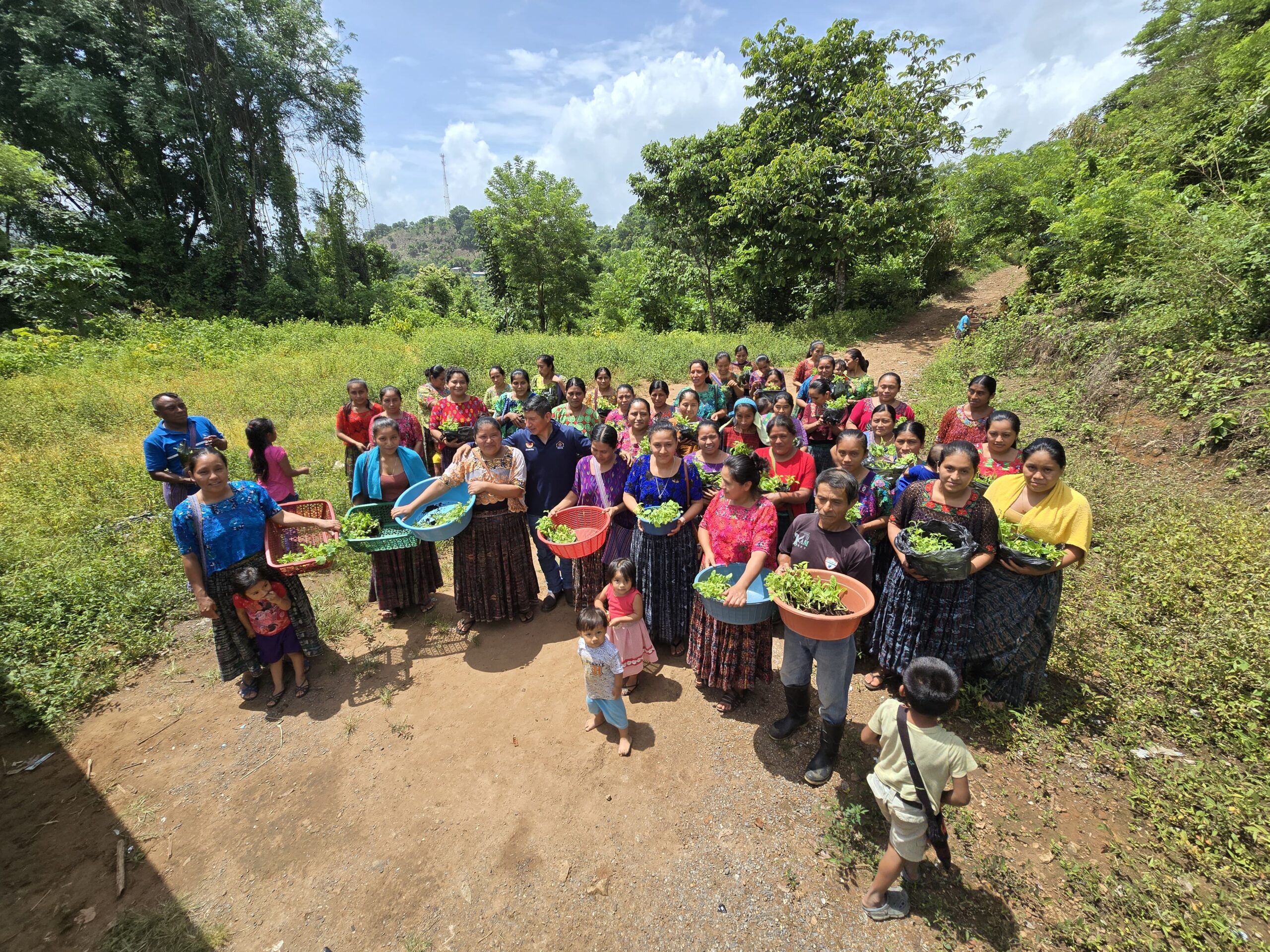
Puente’s work began with a simple but urgent mission: to prevent chronic childhood malnutrition. For more than 20 years, the organization has built connections between families and opportunity, helping women in rural communities improve their children’s health, nutrition, and futures. Today, Puente has grown into a community-led movement that equips families with the tools to thrive, from parenting education to financial empowerment.
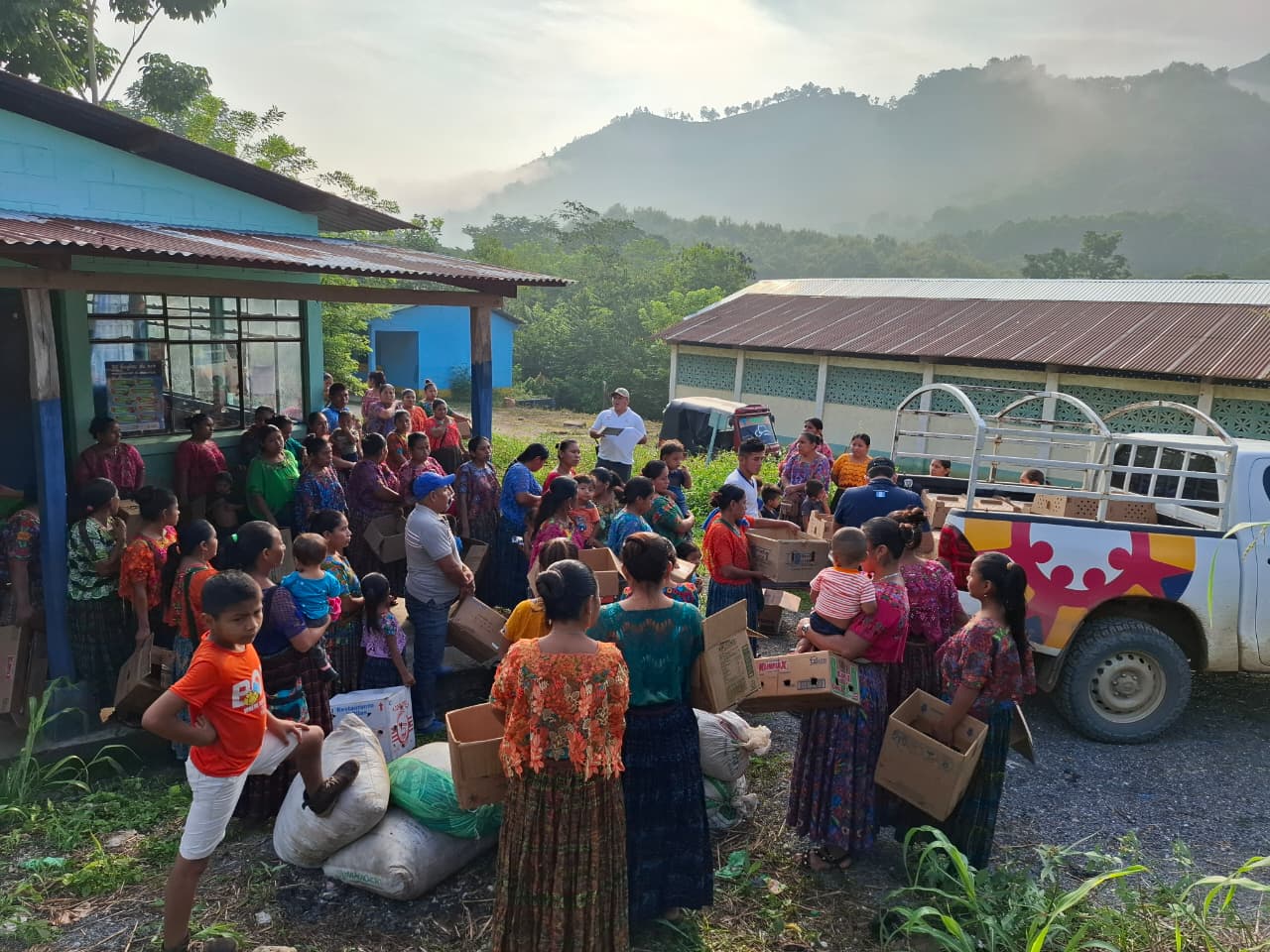
As part of our work with 1% for the Planet, we’re proud to highlight Puente’s impact. “We love the idea of giving back to the families who work with Grupo Fortaleza, one of our Organic Latex Suppliers in Guatemala, and Puente does an incredible job supporting their nutrition, health, and wellness,” says Laura Scott, director of brand marketing.
In this conversation, we sit down with Edna and Carol to explore Puente’s evolution and explore the vision behind a program that continues to transform communities across Guatemala.
Read more: Companies That Care: Why Corporate Responsibility & Impact Reports Matter
What inspired you to create Puente, and what challenge were you most committed to addressing from the start?
Guatemala is such a paradox. It’s a country rich in natural resources — often called the “land of eternal springs” — where food is widely available. And yet, nearly half of Guatemalan children grow up with chronic malnutrition, preventing them from reaching their full developmental potential during the crucial first thousand days of life.
Our work began in 2004, during President Oscar Berger’s administration, when we served in First Lady Wendy de Berger’s office. We worked on the continuation of the Growing Up Well program, developed by the Secretariat of Social Works of the President’s Wife, to prevent chronic childhood malnutrition. By the end of her term, the program had reached 4,000 communities, involving 160,000 women and their families.
Meeting women across the country during that time and hearing their experiences made it clear that addressing childhood malnutrition was a fundamental priority. When the next administration discontinued the program, we realized how much momentum could be lost, and that became the catalyst for founding Puente. We knew our approach truly worked, and decided to carry it forward ourselves. We didn’t have the same resources, but we knew this was the solution needed to meaningfully improve Guatemala’s development indicators. Twenty years later, Puente continues to implement that vision.
The name Puente — “bridge” — reflects our philosophy. We see ourselves as facilitators: we provide information, tools, and guidance, but the mothers and families we work with are the real protagonists. They make the decisions and take the steps to cross the bridge toward improving their own lives. Along the way, we’ve learned as much from their resilience, culture, and experiences as they have learned from us. It’s a shared journey.
How would you describe Puente’s mission today, and in what ways has it evolved since the organization was founded?
At the start, our focus was on addressing chronic malnutrition through food security. Over the past 20 years, however, we learned that nutrition alone isn’t enough. True human development means nurturing the whole child — body, mind, and soul — and that realization pushed us to evolve into a much more comprehensive program.
We began incorporating education on the importance of play to support early brain development, along with a stronger emphasis on children’s rights and the need for a supportive, loving home environment. It also became clear that, to succeed, we needed to actively engage men in this work, especially to address issues like domestic violence and help shift traditional gender roles.
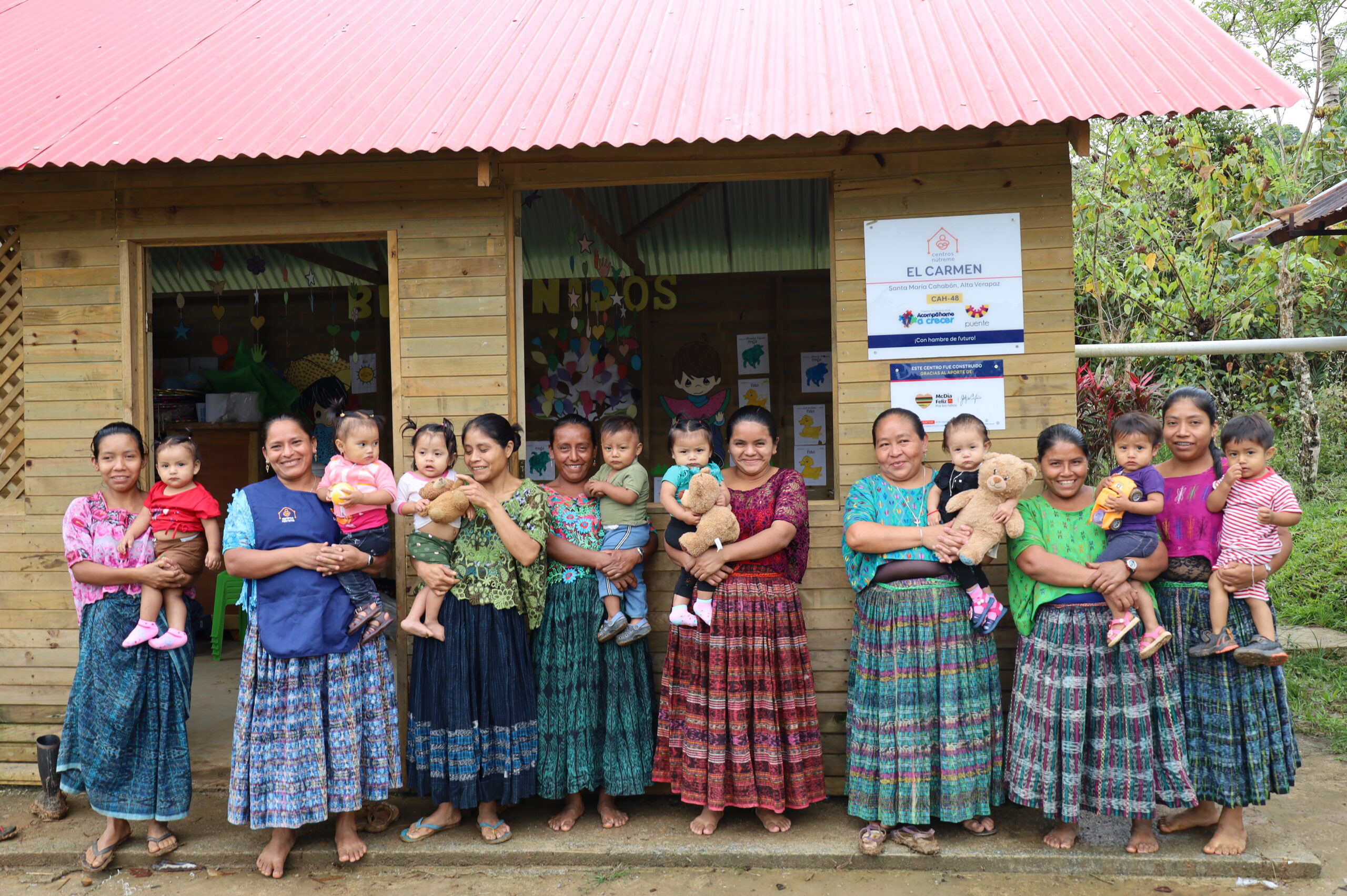
Today, our Nútreme (Nurture) Centers offer programming around two core components: early childhood care and education, and comprehensive community and family intervention. This includes strategies related to sanitation and hygiene, agricultural activities, and financial empowerment and autonomy for women through community banks. When given the opportunity, we consistently see women investing in the health and education of their families.
Our mission has stayed the same, but our strategy has evolved. Through this evolution, dignity has remained at the core of everything we do — creating opportunities for growth, talent development, and choice.
Read more: A Mattress’s Life: How It’s Made, Used, and Reused
Who makes up your teams, and why is it important to Puente that local professionals are central to the work you do?
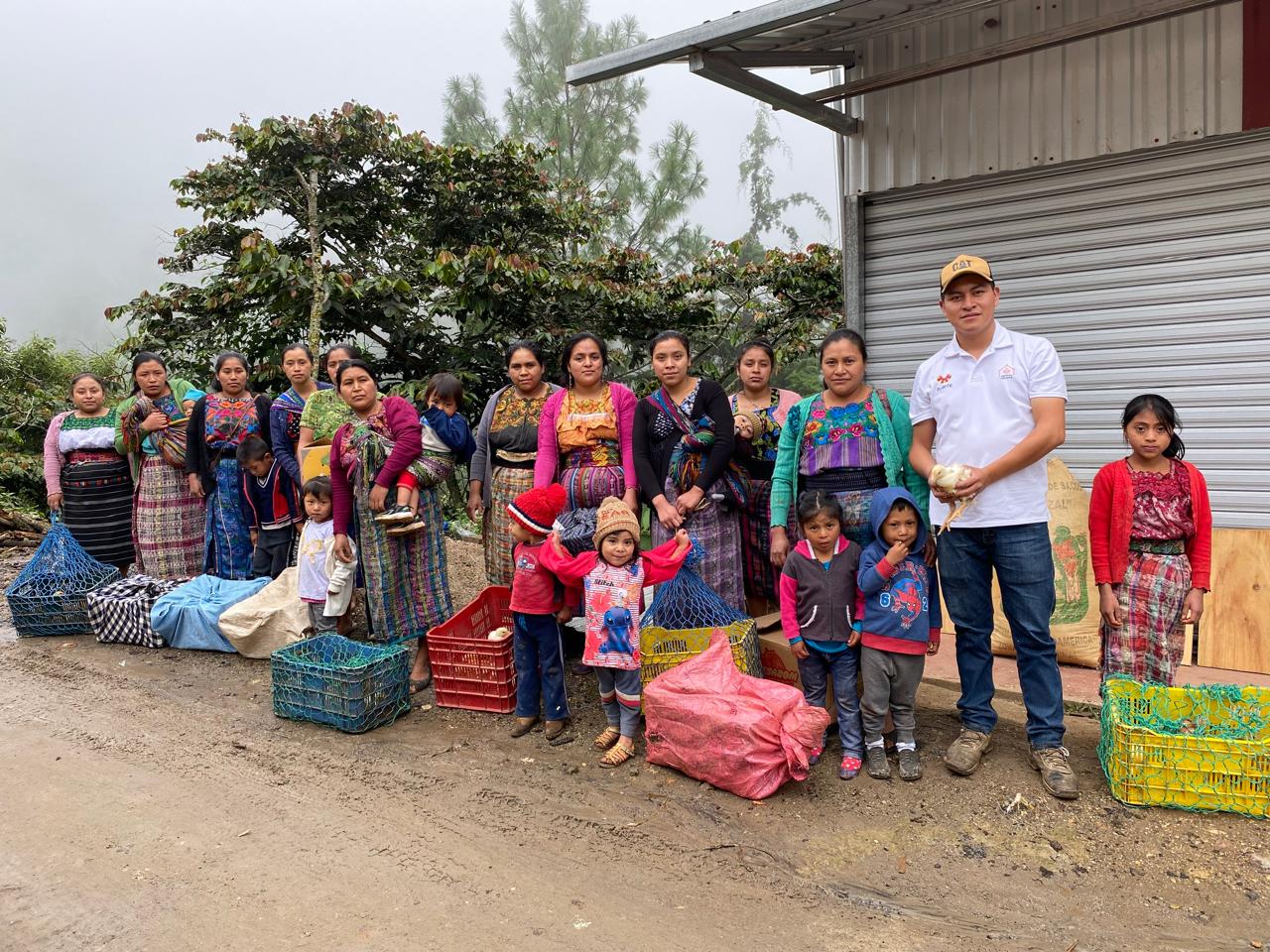
In a region where 23 languages are spoken, we quickly learned that having people from the local community involved is essential. It makes communication possible, but also builds trust in ways we could never achieve as outsiders, and allows us to better work with local leaders and authorities to connect with women in the community. Working through local bilingual professionals allows us to train volunteer mothers through a cascade system, spreading knowledge sustainably.
The bridge goes both ways. While Puente shares its experience and technical knowledge, we also learn so much from the communities themselves — their culture, resilience, and their ability to survive and adapt despite having very limited resources. Having local teams also ensures the program is culturally relevant and can eventually be run entirely by the community itself. From the beginning, our goal has been sustainability. We don’t want to be there forever; we want communities to be invested in and be able to run these centers on their own.
Can you share a moment or story that best illustrates Puente’s impact on the communities you serve?
One of the most rewarding moments for us is when community leaders tell us that a center “will be open forever.” That tells us we’ve done our job — it shows communities are committed to accompanying every child as they grow. It reflects a consciousness and a desire for children to thrive and dream.
We’re also seeing powerful changes in family and community dynamics. In places where culture has traditionally been very male-dominated, it’s incredibly moving to see men attending early stimulation sessions and sitting on the floor to play with their children. We’ve seen men turn to their wives and ask for their opinion on important decisions, like where to place the light in the home. Those moments may seem small, but they reflect deeper empathy, respect, and shared responsibility.
As a member of 1% for the Planet, what does that commitment represent for Puente? How do environmental responsibility and community impact intersect in your work?
We see caring for a child as inseparable from caring for the environment they grow up in. In many rural communities, there are no trash collection services, so our WASH program focuses on very practical solutions, teaching families how to manage waste, recycle, and even make organic fertilizers and natural pesticides.
We also place strong emphasis on water resource management, including rainwater harvesting, because water is central to health and nutrition. In the early days, we taught families to boil their water, but over time, we went a step further and provided water filters. That means families now have clean water not just for drinking, but also for safely washing fruits and vegetables. These changes may seem simple, but they make a profound difference in a child’s health and overall development.
What is the long-term vision for Puente, and what gives you the greatest sense of hope for the future?
Our long-term vision is to eliminate chronic malnutrition in Guatemala. We know we have a model that works, especially in the poorest rural areas, and our goal is for it to be adopted not just by the government, but also by NGOs and international partners. We’re already working toward that — for the first time, a municipality, San José Pakil in Chimaltenango, will have a nurture center in every community — a true first for any program like this.
But at the heart of it, we are just Puente — the bridge. If you give people the right tools and opportunities, they become the protagonists of their own story. They love their children and want the best for them; we provide the means, but they drive the change.
Read more: Dream of Better: Our 2024 Impact Report
Have feedback on our story? Email [email protected] to let us know what you think!

Shop Pillows
The Essential Organic Pillow Collection
Gentle, breathable, non-toxic support.