



You’re Wired for Comfort—and There’s Science to Prove It
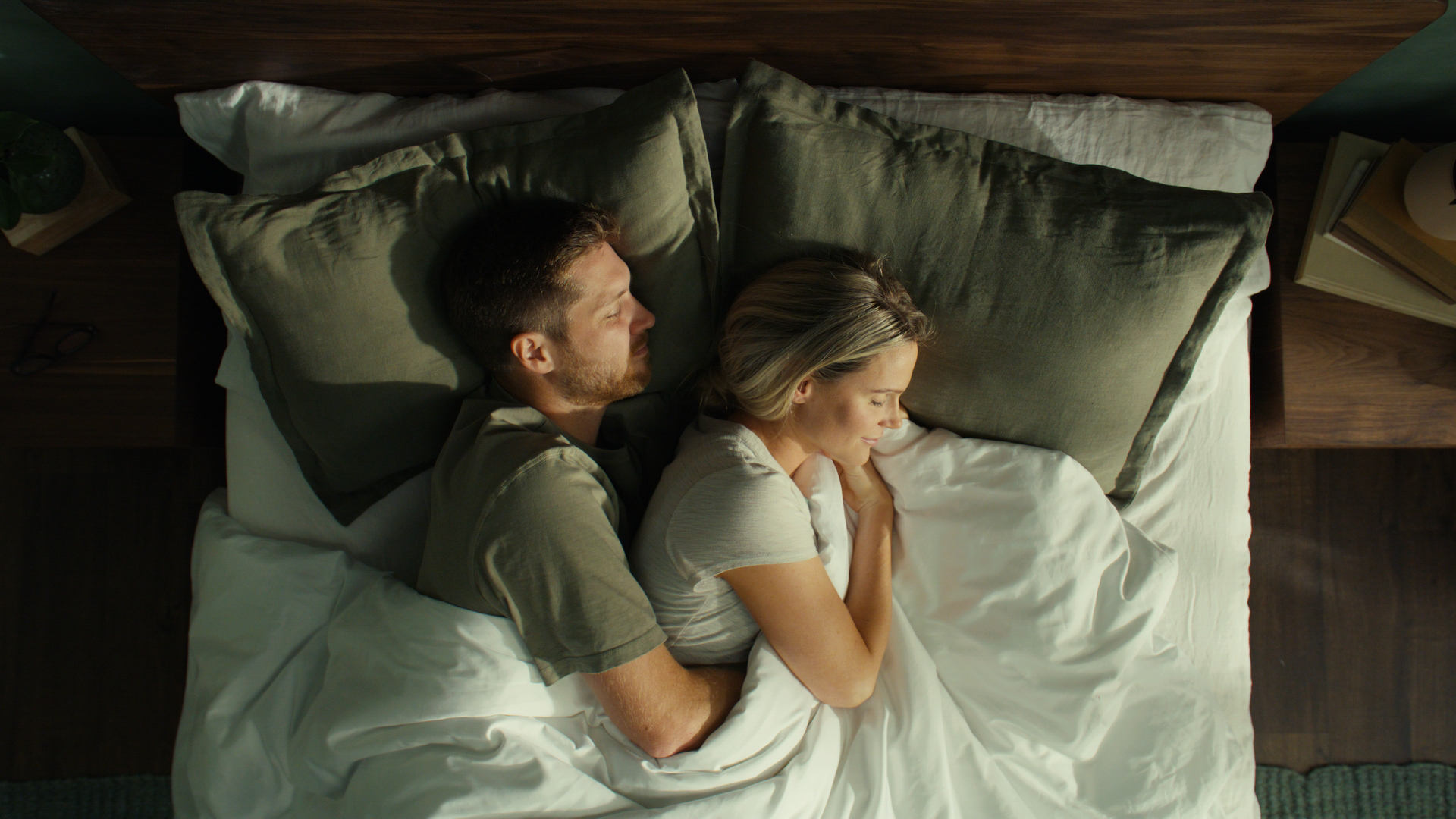
From flickering candles to chunky knit blankets, comfort isn’t just aesthetic, it’s biological. Our brains are comfort maximalists, hardwired to seek out warmth, softness, and stability. Why? Because comfort literally shifts our chemistry. Studies show soothing touch—like hugs or even self-hugs—reduces cortisol (the stress hormone) while boosting oxytocin, the so-called “love hormone” that promotes calm, bonding, and trust. Hearing a loved one’s voice can even trigger similar stress-buffering effects.That instinct to seek refuge and connection isn’t just sentimental, it’s survival. Psychologists call it “tend-and-befriend,” the human urge to restore safety through closeness, routine, and soothing environments.
Comfort, then, isn’t indulgence. It’s an evolutionary need.
Read More: The Joy of Doing Nothing: Reclaiming Rest in a Productivity-Focused World
It All Starts in the Primal Brain
Long before “comfort” meant spa days or cashmere throws, it meant staying alive. For our ancestors, safety depended on firelight, shelter, and community. Neuroscience shows that today, our amygdala, the brain’s built-in alarm system, is still constantly scanning for signs of danger or security, like your ancestors may have done in the jungle with predators nearby.
When it perceives safety, the amygdala quiets down, stress hormones lower, and the parasympathetic nervous system (aka “rest and digest”) switches on. That’s why something as simple as locking a door, dimming a lamp, or wrapping up in a blanket can cue the body to exhale: you’re protected, you can let your guard down.
Modern Triggers for Ancient Needs
The same instincts that once kept us alive now explain why certain modern comfort cues are so powerful:
- Soft textiles: Once furs and hides, now natural fiber sheets or a wool blanket are the tactile proof that we’re covered.
- Temperature: The hearth once meant survival. Now, a down duvet at night signals the environment is warm and safe for rest.
- Lighting: Firelight calmed our ancestors; dimmable lamps and candles echo that primal dusk cue.
- Scent: Smoke and herbs once marked bonfires and community. Today, lavender or sandalwood tells your nervous system you’ve arrived at “home.”
- Decluttered space: A clear line of sight once meant spotting predators; now, a tidy room calms the vigilance loop and quiets mental clutter.
In short, our modern “comfort hacks” are simply primal cues dressed up for contemporary life. When we light a candle, slip into soft bedding, or clear a space, we’re essentially whispering to the ancient part of our brains: You’re safe to rest now.
Why Stress Makes Us Reach for Cozy
Life today is full of micro-stresses from emails and deadlines to news fatigue and the daily scroll. When the outside world feels unpredictable, our brains crave predictability indoors. Psychologists call this perceived control, and research shows it’s strongly tied to lower stress and better well-being.
That’s why home rituals matter so much. Folding laundry, brewing tea, or even making the bed aren’t just chores. They’re anchors that tell your body you’re in charge, and in this familiar space, you can relax.
The Cozy Economy
With all of this in mind, it’s no surprise that comfort is trending. Weighted blankets, nap dresses, “bed rotting,” the everything-shower…these viral rituals aren’t frivolous; they’re coping mechanisms pretending to be a lifestyle. Each one gives the nervous system a cue to slow down, ground, or reconnect.
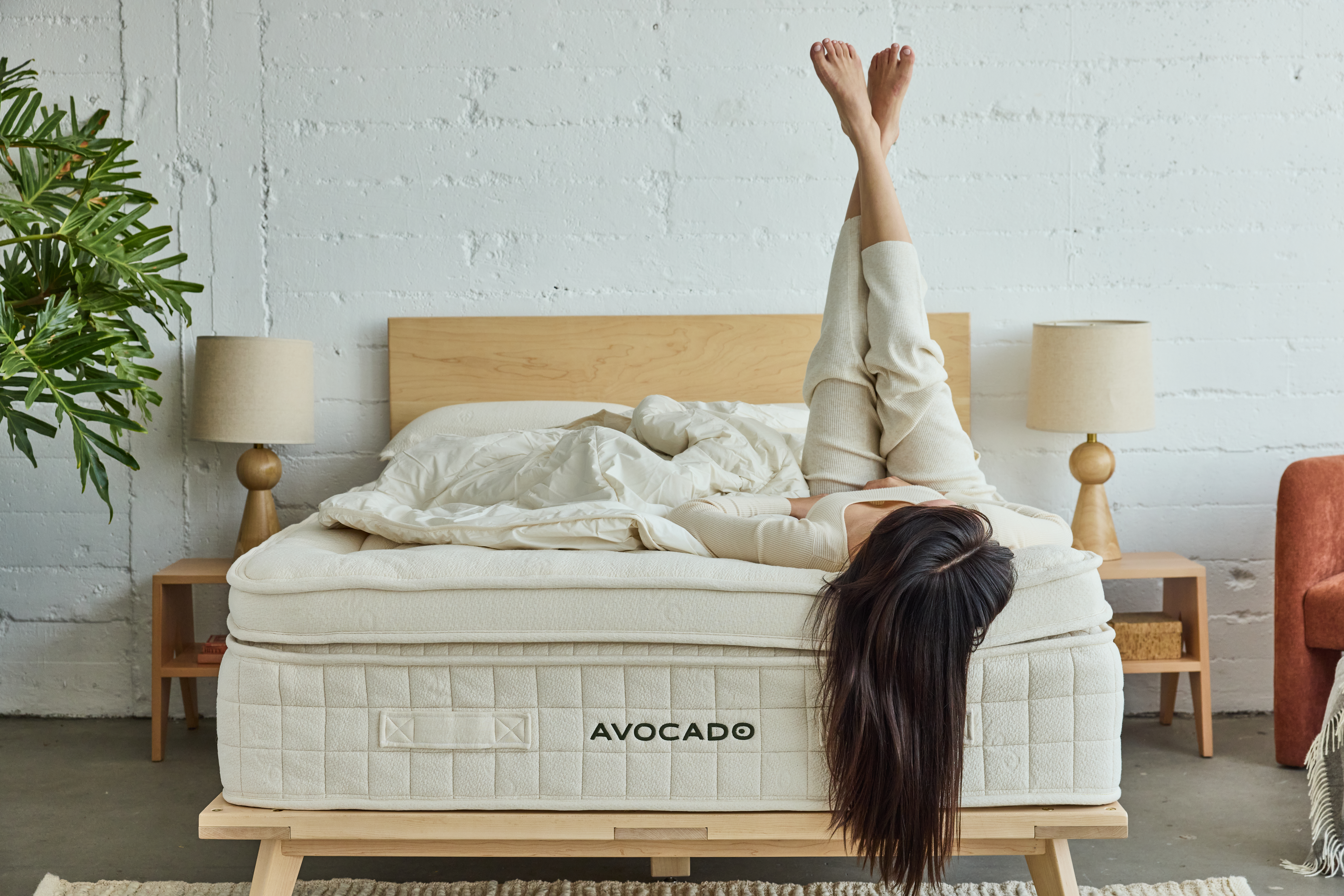
Comfort sells because it’s more than aesthetic; it’s self-regulation. But the lesson isn’t to buy every trend; it’s to notice what genuinely restores you. Maybe it’s an organic mattress that helps you sleep cooler, maybe it’s cooking at home, maybe it’s putting your phone on the other side of the room.
The cozy economy proves we’re all just hacking the same primal system, looking for safety, softness, and a little sanctuary in what, to our brains, feels like a dangerous world.

Read More: The Avocado Lookbook – Wabi Sabi Bedroom
Comfort Across Cultures
Every culture has its cozy rituals that tap into our need for connection:
- Hygge (Denmark): Soft light, warm drinks, and feeling “snug” with loved ones.
- Wabi-sabi (Japan): Embracing imperfection and simplicity in our spaces.
- La sobremesa (Spain): Lingering at the table after meals to savor presence and conversation.
These traditions are simply different cultural languages for the same need to feel rooted, sheltered, and at ease.
Home as a Mirror of You
Feeling comfortable is also about feeling a sense of belonging. Environmental psychologists note that the home is an extension of identity: the colors, textures, and objects you choose signal safety because they reflect you. Personal mementos, family photos, or even your bookshelf act as what researchers call “symbolic self-completion”—visual reminders that you belong here, that this space is yours. Studies show this link between place and identity boosts well-being and resilience. So, when you surround yourself with cues that feel authentic—whether it’s organic bedding, a favorite art print, or a lived-in sofa, you’re not just decorating, you’re reinforcing psychological safety.
Community and Shared Comfort
Comfort isn’t always solitary. Neuroscience shows that oxytocin, the hormone tied to calm and bonding, is released not just by a warm blanket but by warm company. Meals shared at home, a familiar laugh in the living room, or a guest bed made up with care all extend comfort outward. In fact, researchers suggest that “social safety” is just as vital to our brains as physical shelter. A truly cozy home doesn’t just soothe you, it invites others to feel safe, welcome, and cared for.
The Future of Feeling at Home
Tomorrow’s comforts are evolving alongside technology and sustainability. Smart thermostats, circadian lighting systems, and air purifiers promise to optimize our homes in ways our primal brains couldn’t have imagined, but the underlying need is the same: safety, rest, and predictability. At the same time, sustainability is also redefining what “cozy” means. Choosing organic bedding, toxin-free mattresses, or responsibly sourced furniture isn’t just an environmental choice; it’s psychological reassurance. When our values align with our surroundings, we rest easier knowing our comfort doesn’t come at the planet’s expense.
The Takeaway: Safety Over Stuff
Comfort is already within you, wired into billions of years of evolution. And, our homes are more than buildings. They’re the sum of rituals, textures, scents, and heartbeats. In weaving intention into that environment—whether through linen sheets, the glow of a candle, or nightly rituals, you become the curator of your comfort.
What’s more, when you create a space that meets both your primal needs and your modern ones, you’re not just decorating, you’re signaling to your nervous system: you belong here, you’re safe here, you can rest here. That’s the psychology of comfort in action. That’s what really makes a house feel like home.
Read more: The Witching Hour Is Real: What Happens in Your Body Between 3–4 a.m.
Have feedback on our story? Email [email protected] to let us know what you think!
Shop Pillows
The Essential Organic Pillow Collection
Gentle, breathable, non-toxic support.