

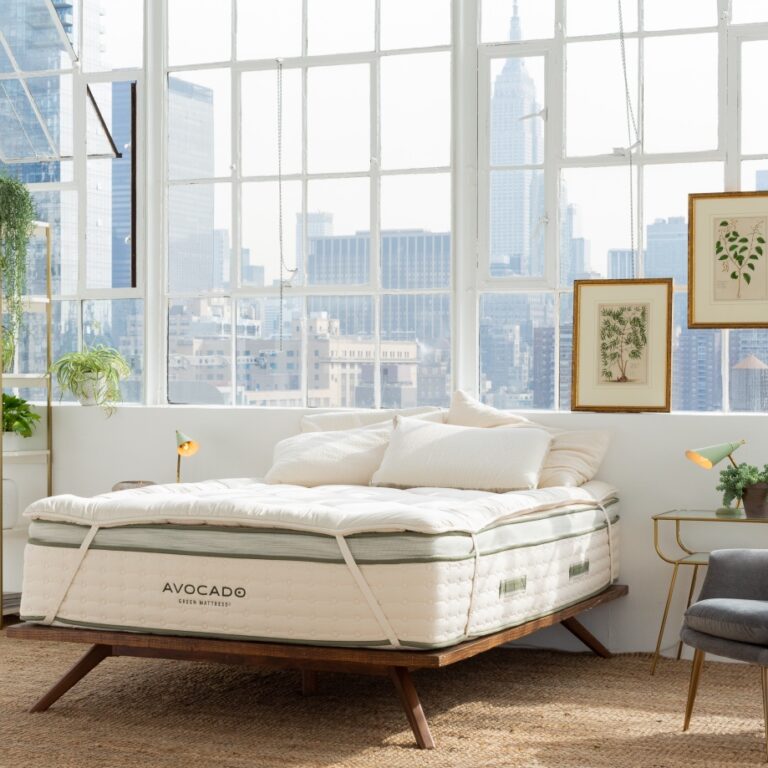



We use the phrase well-made all the time.
A well-made couch. A well-made jacket. A well-made mattress.
It’s usually meant as a compliment, shorthand for something that feels solid, reliable, worth the investment. But when you stop and think about it, it’s not always clear what that actually means.
I’ve definitely had moments where I’ve bought something that felt “high quality” at first. Maybe it had a solid bit of wait to it. Or the materials felt particularly luxurious (expensive), and then, a few months later, I realized that the heft and first-day feel wasn’t exactly translating to quality.
These items, which aren’t exactly broken, are just not aging well.
Which is a special kind of disappointment.
Because in reality, quality isn’t just about how something is made. It’s about how it holds up.
And that’s where the life span of a product comes in.
What Is a Product Life Span?
At its simplest, a product’s life span is how long it remains functional and in use.
But behind that simple definition is a much broader framework. Researchers often describe products in terms of a lifecycle, which includes multiple stages:
- Design
- Material sourcing
- Production
- Distribution
- Use and eventual disposal or reuse
Life cycle assessments (LCAs) evaluate the environmental impact of a product across all stages, rather than focusing on a single moment, like manufacturing or disposal.
Which shifts the way we think about quality.
Instead of asking, is this well-made?
We start asking: How was this designed to live? And for how long?

Read more: A Mattress’s Life: How It’s Made, Used, and Reused
The Design Stage: Where Longevity Begins
Long before a product reaches a store shelf, its lifespan is already being shaped.
Through design decisions that determine:
- What materials are used
- How components are assembled
- Whether parts can be repaired or replaced
- And how the product is expected to perform over time
Research shows that product longevity is heavily influenced by these design decisions, including durability, repairability, and material selection.
I didn’t really think about this until I tried to fix my very off-brand computer mouse. It wasn’t even a complicated repair, just something small. But it became very clear, very quickly, that the product was never meant to be taken apart in the first place.
Which, in hindsight, told me more about its “quality” than anything I noticed when I bought it.
In other words, quality isn’t just something you see. It’s something you discover over time, through use, wear, and the small moments that reveal how something actually holds up.
Materials and Construction: What “Well-Made” Really Means
When people describe something as high quality, they’re often talking about materials and construction, even if they don’t realize it.
Materials affect:
- Durability
- Breathability
- Temperature regulation
- How a product ages
Construction affects:
- Whether something holds its shape
- How it responds to repeated use
- How easily it breaks down over time
For example, natural materials tend to behave differently from synthetic ones, often allowing for better airflow and adapting more readily to temperature changes.
But materials alone don’t determine quality. How those materials are assembled matters just as much. Seams, joins, layering, and structural support all influence how a product performs after weeks, months, or years of use.
A product can be made from good materials and still fail if the construction isn’t designed to support them properly.
Which is why “well-made” is rarely about a single feature. It’s about how everything works together.
And in some cases, it’s about choosing materials designed to be lived with. This means things that allow for airflow, maintain their structure, and continue to support daily use over time.

Read more: Why Natural Materials Sleep Cooler Than Synthetics
The Product in Use
Most of a product’s life isn’t spent on a shelf or in a box; it’s spent being used. And that’s usually when you start to notice whether it was actually well-made or not.
Does it hold up to repeated wear?
Does it maintain its structure?
Does it adapt to how it’s actually used, not just how it was intended to be used?
Studies on product lifespans show that durability and continued functionality are huge indicators of quality over time.
I’ve started to notice that the things I consider “well-made” now aren’t the ones that impressed me right away. They’re the ones I don’t really think about anymore. The ones that just…keep working.
Which feels like a small thing, but it has changed how I evaluate products entirely.
When Products Are Designed Not to Last
If quality is defined by how long something stays in use, there’s an uncomfortable counterpoint to consider:
What happens when products aren’t designed to last in the first place?
Planned obsolescence refers to the practice of intentionally designing products with a limited useful life, often to encourage more frequent replacement.
It sounds extreme when stated outright, but in practice, it isn’t always obvious.
Sometimes it’s a device that’s difficult to repair.
Or it’s a component that wears out faster than the rest of the product.
Or it’s a design that prioritizes appearance or cost over long-term durability.
In many industries, shortening product lifespans has been used as a strategy to increase consumption and drive repeat purchasing.
I don’t think most people are consciously thinking about this when they buy something.
But you do start to notice it over time.
That feeling when something stops working just a little earlier than it should.
Or when fixing it feels harder than replacing it. Or when the cost of repair is just close enough to the cost of a new version that the decision feels almost predetermined.
Research on product lifespans and environmental impact shows that shorter use phases are directly associated with increased resource consumption and waste.
And over time, that reshapes how we think about quality.
If we stop expecting things to last, then longevity stops being the baseline. It becomes more of a bonus.
Which is a strange shift, when you think about it.
Because in a system like that, a “well-made” product isn’t just one that feels good at the start.
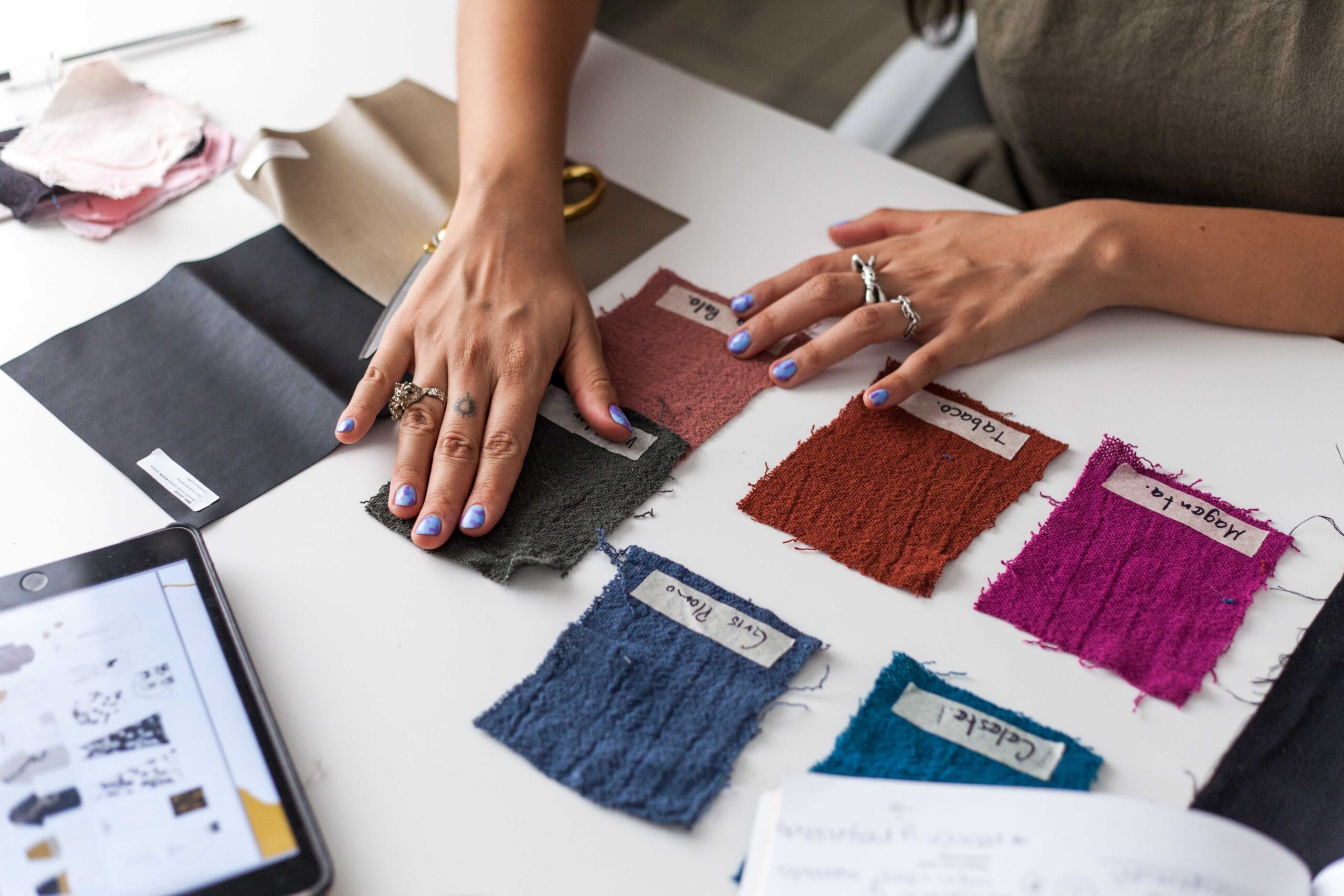
Read more: Tiny Habits, Big Difference: 5 Eco-Friendly Changes That Stick
The End of Life: What Happens Next
Eventually, every product reaches the end of its usable life. But what happens at that point is just as important as everything that came before it.
Some products can be repaired, repurposed, or recycled. Others can’t.
Research shows that disposal systems, including recycling and composting, are often limited, meaning many products ultimately end up in landfills regardless of their intended design.
Which also means that even well-intentioned products don’t always end up where we expect them to.
A longer-lasting product reduces how often that moment happens in the first place.
Which, in many cases, is one of the most meaningful forms of sustainability.
How to Recognize Quality as a Consumer
If quality is something that unfolds over time, how do you evaluate it at the moment?
There’s no perfect formula, but there are a few indicators that can help:
- Material transparency
- Construction details
- Repairability
- Intended lifespan
- Brand philosophy
And sometimes, it’s about asking a slightly different question: How long is this designed to stay in my life?
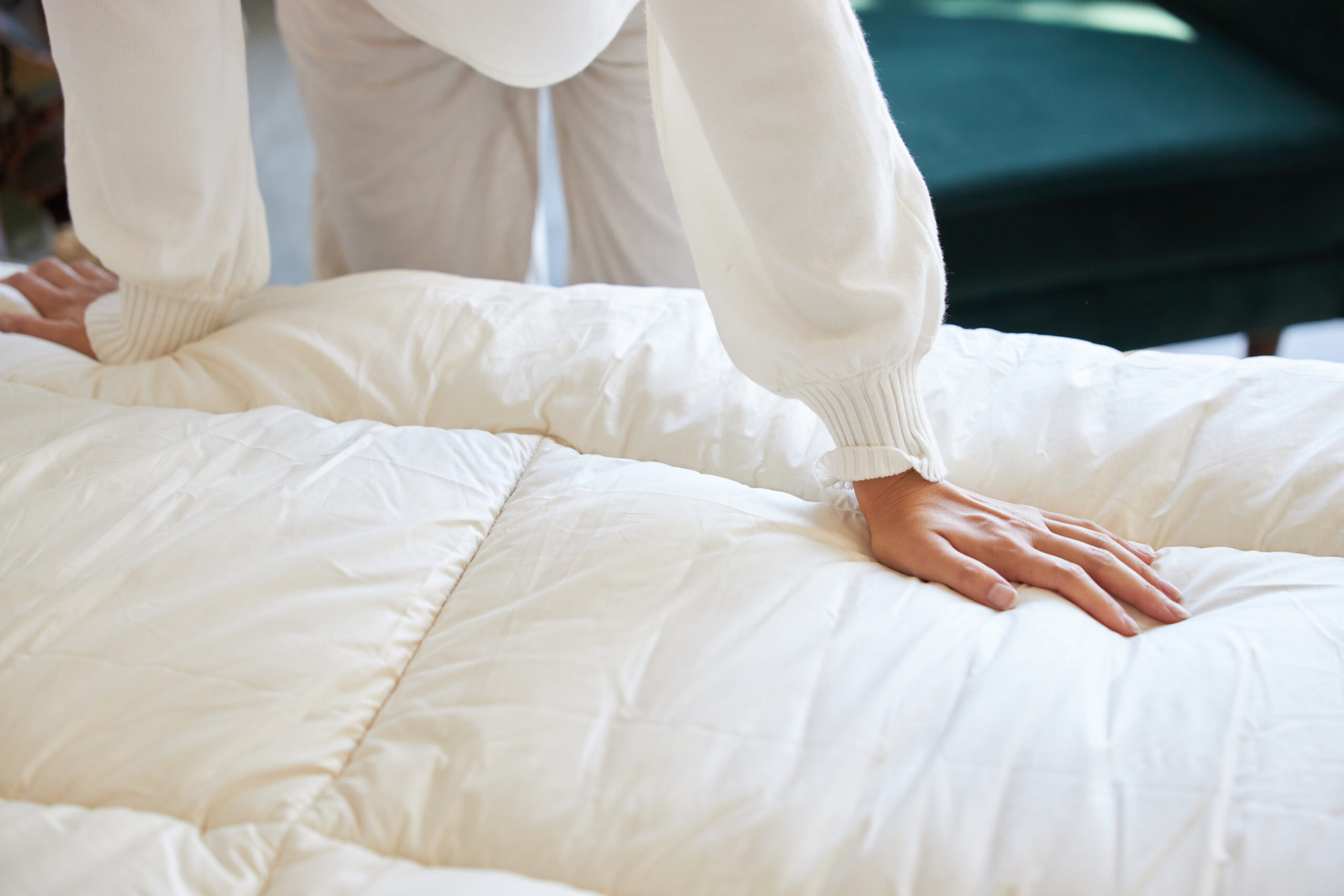
Read more: Mattress Firmness Decoded: What’s Right For Your Sleep Style?
Rethinking What “Well-Made” Means
When we describe something as well-made, we’re often responding to how it feels in the moment. But real quality tends to reveal itself more slowly. It shows up in how something ages.
How it holds its shape. How it continues to function over time.
Longer product lifespans are consistently associated with lower environmental impact, due to reduced production and replacement cycles.
Which suggests that quality isn’t just about craftsmanship or aesthetics.
It’s about time.
About how long something stays useful. How well it adapts to real life. And how often it needs to be replaced.
Because a well-made product isn’t just one that looks good at the start. It’s one that continues to make sense, long after that first impression fades.
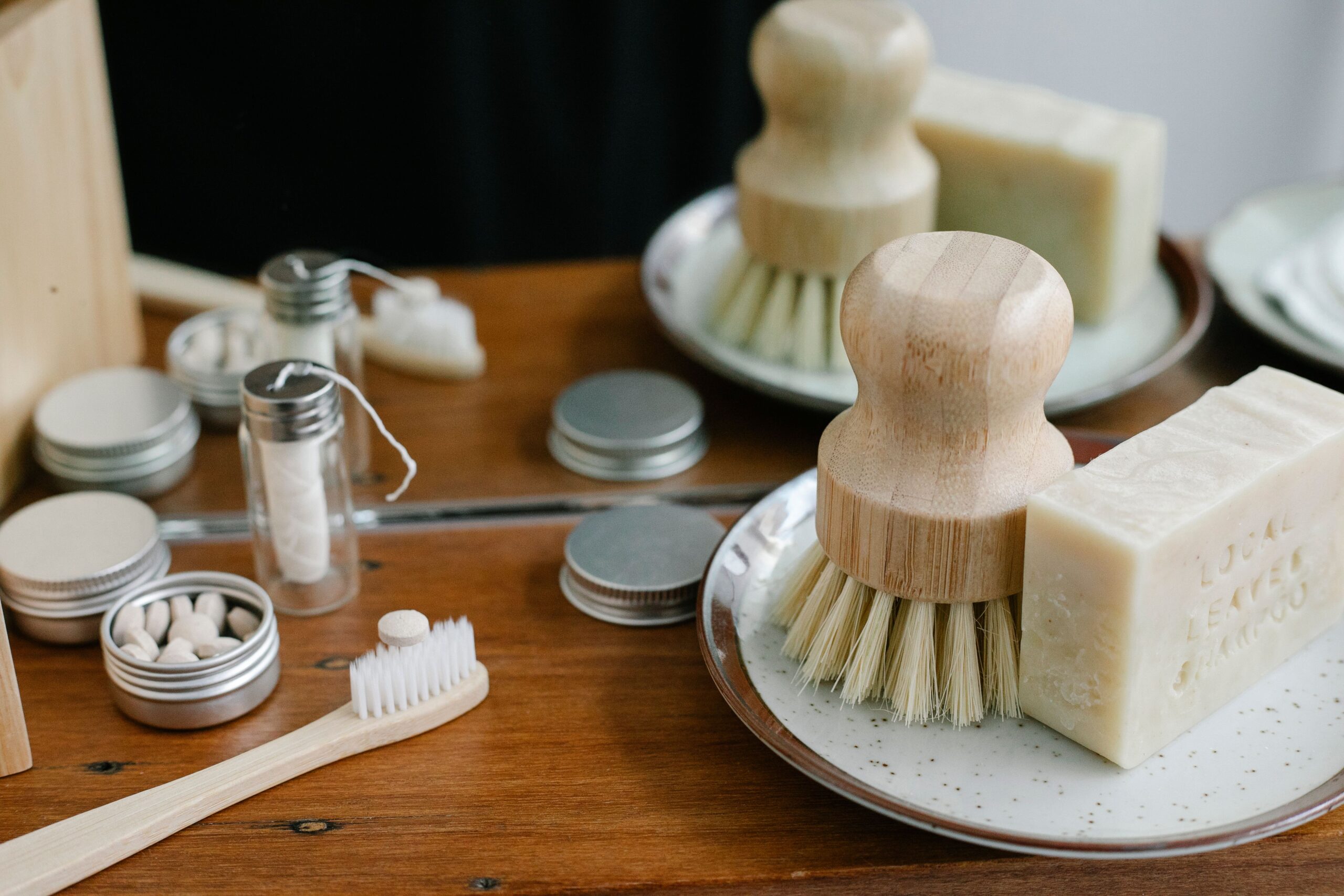
Read more: Get To Know the Five R’s Of Sustainability
Have feedback on our story? Email [email protected] to let us know what you think!

Shop Pillows
The Essential Organic Pillow Collection
Gentle, breathable, non-toxic support.