







Sleep is often the first thing to get sacrificed when life feels overwhelming. Whether it’s juggling a demanding career, caring for children, or simply trying to keep up with the pace of modern life, too many of us treat sleep as optional—something we can “catch up on later.” But the truth is, sleep is not a luxury. It’s a biological necessity. And insufficient sleep, along with untreated sleep disorders, can have profound consequences for your health, your productivity, your emotional stability, and, quite honestly, your ability to be your fabulous best self.
As a busy mom of two, a career woman, and a doctor, I’ve learned this the hard way. For years, I thought I could push through fatigue with caffeine, determination, and sheer willpower. But I soon realized that when sleep suffers, everything suffers. Energy, patience, focus, and even motivation dwindle. Eventually, I had to reframe sleep not as a “bonus” but as a cornerstone of my health and well-being.
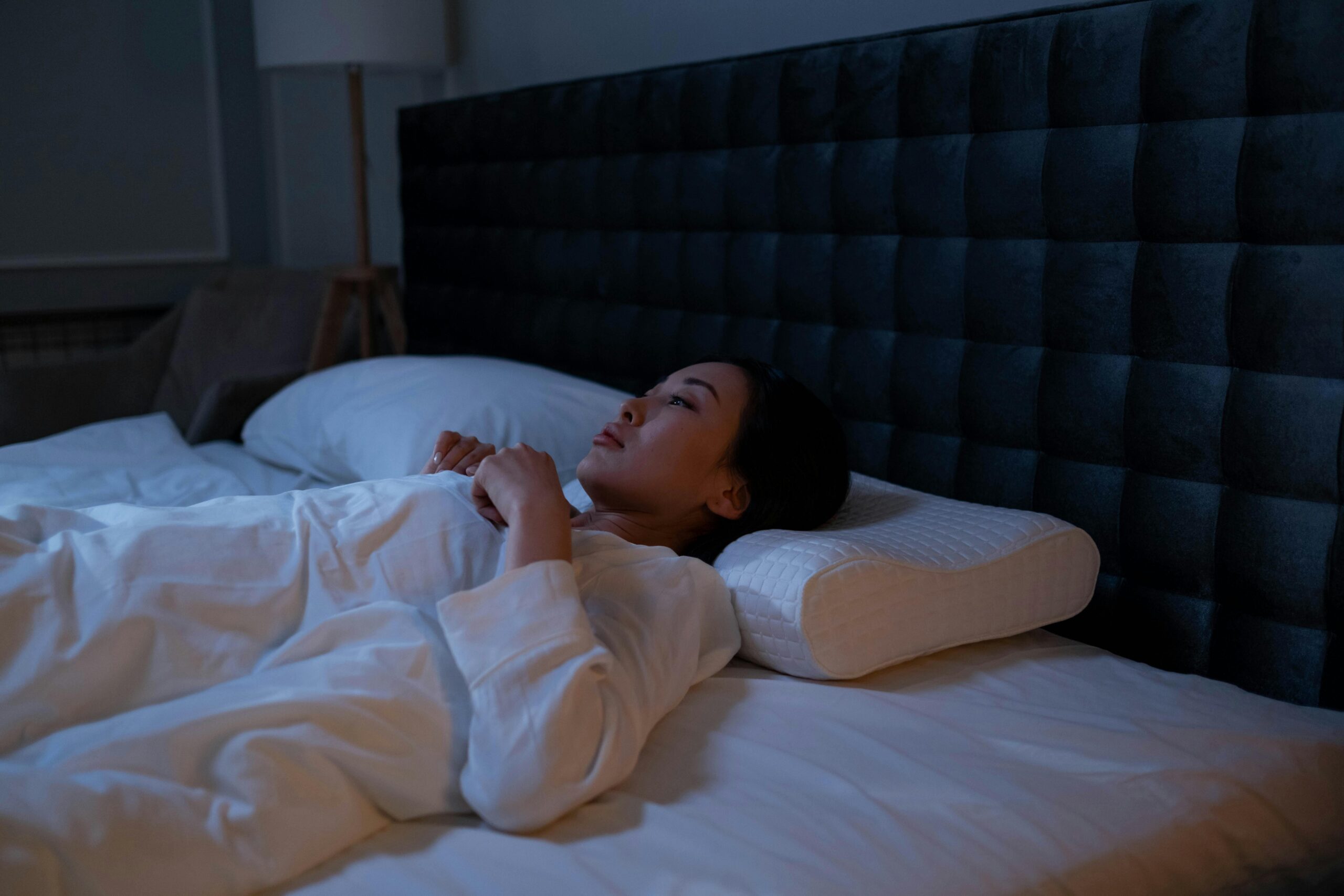
Read more: Optimize Your Sleep: Choosing the Right Pillow for Comfort and Support
Why Sleep Matters So Much
Sleep is the time when our bodies perform essential repair and restoration processes. It’s when the brain clears out toxins, stores memories, and resets its systems for the next day. Muscles recover, hormones rebalance, and the immune system gets a boost. Without sufficient sleep, it’s like trying to run a high-performance engine on dirty fuel—it may keep going, but eventually it breaks down.
Research consistently shows that poor sleep isn’t just about feeling groggy. It’s linked to increased risks of obesity, diabetes, cardiovascular disease, depression, and even cognitive decline later in life. Functionally, it impacts reaction times, decision-making, and mood stability. Sleep deprivation doesn’t just make us tired—it makes us less resilient, less sharp, and less capable.
Quantity and Quality Matter
Many people assume that sleep is just about how many hours you log, but quality is equally important. Fragmented or restless sleep can leave you just as drained as a shorter night of solid rest. Think of it this way: six hours of deep, restorative sleep may be more beneficial than eight hours of tossing and turning.
Quantity and quality work hand in hand. Adults generally need seven to nine hours of sleep per night, but the real key is how restorative that time is. Are you waking refreshed? Do you stay asleep throughout the night? Do you feel energized enough to function optimally the next day? These are the measures that matter.
Did You Know?
Here’s a surprising insight from sleep research:
- Short sleep duration throughout midlife, experienced by about 14% of participants, was associated with an increased risk for cardiovascular disease events later in life.
- Women with both persistent insomnia symptoms and short sleep duration had the highest risk of cardiovascular disease events—with a 70% to 75% increased risk.
These findings highlight that the risks of poor sleep are not just about feeling tired today—they’re about increasing the likelihood of serious health problems tomorrow.
Why Women Need to Pay Extra Attention
Sleep challenges affect everyone, but women often experience them differently and more frequently. Hormonal changes during pregnancy, postpartum recovery, perimenopause, and menopause can all disrupt sleep. Add in the demands of family, careers, and caregiving responsibilities, and it’s easy to see why sleep often falls to the bottom of the priority list.
Yet, it’s precisely because women carry so much responsibility—both physically and emotionally—that sleep must be seen as non-negotiable. Without it, stress feels heavier, patience wears thin, and long-term health takes a hit.

Read more: Deep Sleep Meditation
Dr. Shepherd’s Sleep Edit: 5 Products That Help Me Sleep Better—Naturally
Over the years, I’ve curated a collection of practices and products that have transformed the way I sleep. These aren’t quick fixes, but they create an environment where restorative sleep becomes more attainable. Here’s my Sleep Edit:
- Hormone Replacement Therapy (HRT) with Estrogen and Progesterone – Hormonal changes during perimenopause and menopause can disrupt sleep. For many women, carefully prescribed HRT can help balance hormones, improve sleep quality, and reduce night sweats and hot flashes.
- CBD Gummies – A gentle, plant-based option that helps calm the nervous system and ease stress before bedtime.
- Magnesium Supplement – A natural relaxer that supports muscle function, nervous system health, and restful sleep.

- Avocado Green Mattress – Certified organic, breathable, and non-toxic, this mattress has been a game-changer for comfort and overall sleep quality. It’s truly one of the best investments I’ve made for my health.
- High-Quality Sleepwear – Breathable, moisture-wicking sleepwear helps regulate body temperature and keeps me comfortable through the night.
Together, these tools form the foundation of my sleep routine, creating consistency and calm for deeper rest.
Practical Tips for Better Sleep
If sleep has been elusive, you’re not alone. Many people struggle, but small adjustments can make a big difference. Here are a few simple but effective steps:
- Keep a consistent schedule. Going to bed and waking up at the same time every day helps regulate your body’s internal clock.
- Create a wind-down ritual. Whether it’s a warm shower, gentle stretching, or reading a book, having a calming routine signals your brain it’s time for rest.
- Limit caffeine and alcohol. Both can interfere with the quality of your sleep, even if you manage to fall asleep.
- Optimize your sleep environment. Cool, dark, and quiet rooms promote better sleep.
- Seek help if needed. If insomnia, sleep apnea, or other issues persist, talk to a healthcare provider. Sleep disorders are treatable, and ignoring them can have long-term consequences.
The Bigger Picture
Getting a good night’s sleep is important at all stages of life, but it becomes particularly crucial as we age. Quality sleep helps preserve mental health, emotional resilience, and physical vitality. It also plays a role in reducing the risk of cognitive decline and maintaining overall well-being.
Sleep is not about achieving perfection. There will always be nights when stress, children, or work interfere. But the goal isn’t flawlessness—it’s consistency and prioritization. By making sleep a non-negotiable part of your wellness routine, you give yourself the foundation to perform, care, and thrive in every area of life.
So, the next time you think of cutting back on sleep to get “just one more thing done,” remind yourself: sleep isn’t stealing time. It’s investing in the energy, health, and presence you need to live fully and fabulously.
Read more: Transform Your Day & Boost Productivity with the 6-Step Miracle Morning Routine
Have feedback on our story? Email [email protected] to let us know what you think!

Shop Pillows
The Essential Organic Pillow Collection
Gentle, breathable, non-toxic support.