






Every Sunday, when my weekly screen time notification pops up on my iPhone, I’m almost afraid to look. The alert feels less like a helpful update and more like a proverbial tsk-tsk. After all, it’s hard to remember a time before social media, when our phones weren’t extensions of our arms, when “tech neck” wasn’t a thing, and when boredom was something we sat with instead of instantly scrolling away.
How did we fill the hours back then? I can vaguely recall what it was like: lingering over a paperback, pressing photos, ticket stubs, and stamps into scrapbooks, and writing thoughts in my diary. They weren’t wasted getting lost in someone else’s 10-step skincare routine, I definitely don’t need.
The antidote to our always-online world? Analog living. From shooting on film cameras and listening to music on vinyl records to taking up crossword puzzles and knitting, Gen Z and millennial women are reaching for tactile hobbies and screen-free rituals to reclaim their time, attention, and sense of self. Even the data reflects the shift—recently, Google Trends shows that searches for “analog hobbies” have increased 160 percent.
Keep reading as experts explain what analog living really means, its benefits, and how to build more of it into modern daily life.

Read more: From Herbs To Air Purifiers: 7 Natural Remedies To Tame Spring Allergies
What Is Analog Living?
When nearly everything lives online—our conversations, work, entertainment, and errands—and promises convenience and efficiency, opting out can feel almost impossible. But an analog way of living nudges us to step away from devices and be more present in the moment. “Analog living involves spending as much of every day as possible in real life, experiencing, doing activities, and using screens the least possible,” says Kaila Hattis, LMFT, a therapist and founder of Pacific Coast Therapy.
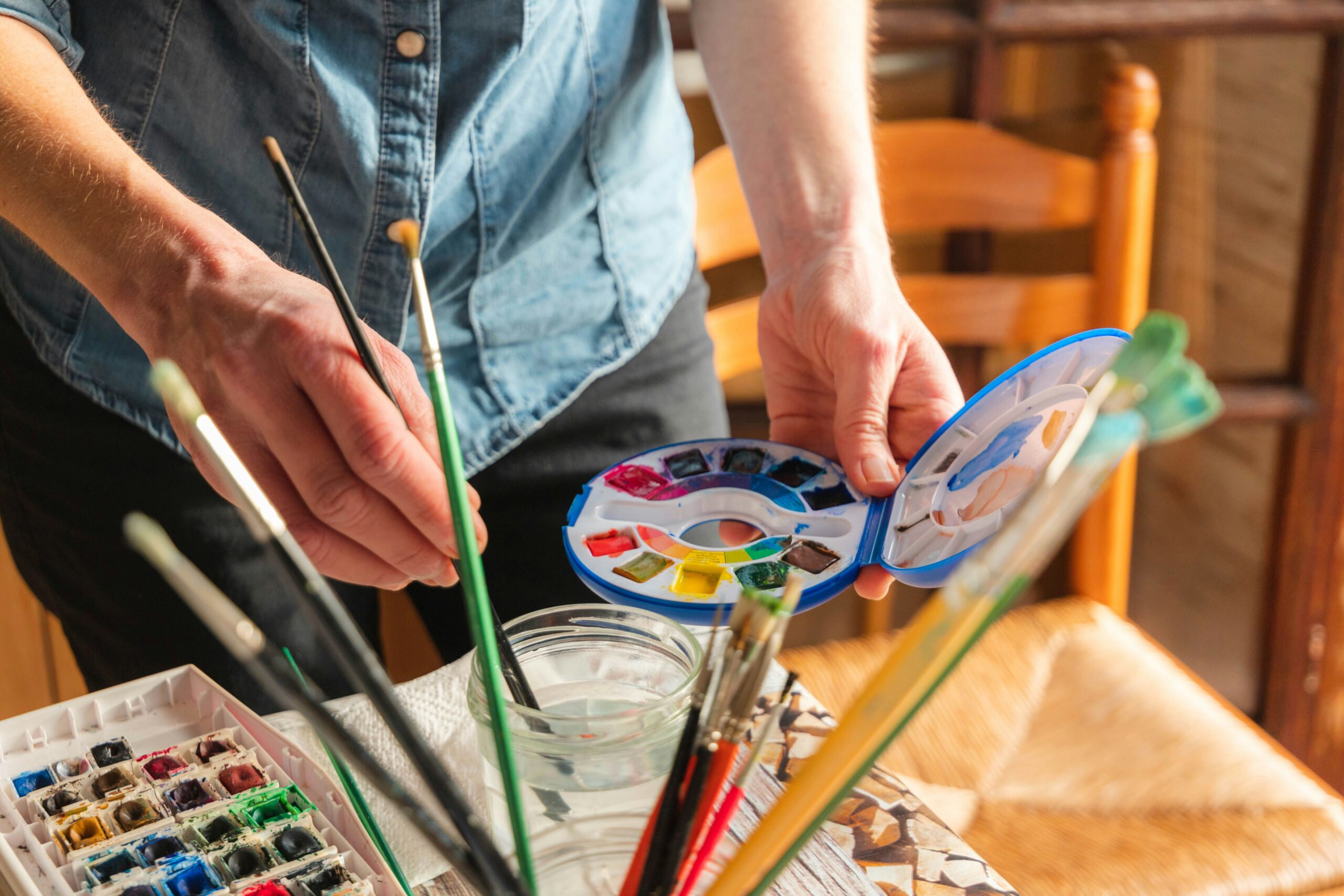
People are longing for a slower, more intentional way of life, turning to tangible, physical media—what’s been coined “grandma hobbies,” or more simply, “analog hobbies.” Think knitting, crocheting, needlepoint, embroidery, sewing, journaling, painting—essentially any activity that keeps your hands busy and provides entertainment off-screen.
The analog-living trend has inspired “analog bags”—totes filled with creative tools for hands-on side quests you can grab whenever the urge to scroll strikes. Inside, you might find crosswords, a sketchbook and pens, coloring books and colored pencils, a needlepoint project, books, magazines, or newspapers.
For millennials, the analog lifestyle is as much about nostalgia as it is about reconnecting with childlike wonder and creativity—whether that means snapping Polaroids, piecing together puzzles, or getting transported to another world in the latest library find. Among Gen Z, the novelty of analog activities is appealing and exciting enough. They’re swapping group chats for handwritten notes on stationery, Pinterest boards for old-school scrapbooks, and takeout apps for the slow, satisfying ritual of cooking a meal from scratch. Why? Simply because it feels good.
Why Analog Living Is More Than a Digital Detox
A digital detox might look like taking a break from social media for a week or putting your phone in another room after 5 p.m. While these resets can give your mind a chance to come up for air, they’re often temporary—brief respites from old habits that eventually return. Harris says analog living reverses that approach. Instead of starting with a goal of reducing screen time, you first build habits that keep you offline—replacing digital distractions with tactile, sensory experiences that engage body and mind: reading a physical book, cooking from scratch, writing letters, developing film, or working on a puzzle. As these analog rituals take root, screen time automatically decreases as a result.
“The intention is different,” Hatti says. “A digital detox addresses the symptom [our overreliance on devices] while analog living addresses the conditions that led to digital burnout in the first place.” Over time, these little shifts do more than offer a screen-free escape—they reshape how we spend our valuable time, where we place our attention, and how present we feel in everyday routines.
Read more: What Infant Sleep Can Teach Us About Human Rest
What Analog Living Does to Your Brain and Body
With constant notifications and the pull of algorithmic feeds, our nervous systems often spend hours in a state of low-grade “fight-or-flight,” Hattis points out. “Cortisol stays high, and your parasympathetic system is not in a position to calm you down when your brain is jumping from different apps and notifications,” she says. But engaging in a single analog task, like writing with a pen, cooking a meal, or taking a quiet walk, gives your brain a much-needed break and a chance to reset. Hattis explains that during these acts, the cortex (the brain’s outermost layer responsible for reasoning, emotion, thought, memory, language, and consciousness) can dial down its activity for roughly 20 minutes. The brain can then shift to a more restorative, “rest-and-digest” mode.
The benefits of tactile practices go beyond momentary calm. Hattis notes that sleep improves when you avoid screens 60 to 90 minutes before bed, since blue light suppresses melatonin just when the body needs it most. After roughly 30 days of consistent analog habits, many people report feeling more grounded in everyday life. Emotional connection can also deepen, often strengthening relationships within a couple of weeks, as the brain is no longer continuously dividing attention across multiple digital inputs at once. By allowing the body to slow down and giving the mind space to focus on one task at a time, analog living supports both a stronger sense of presence and mental clarity.
Simple Ways to Bring Analog Living Into Everyday Life
Adopting an analog lifestyle doesn’t ask that you disconnect altogether—we still have work to do and some nights call for Postmates and your favorite comfort meal. But there’s striking a healthier balance between going full analog and staying connected to the modern digital world: making room for presence. Intentional pauses invite us to engage our senses and let real-life experiences linger a little longer.
Hattis suggests starting with small rituals that allow your nervous system to slow down throughout the day:
- Start the morning with pen and paper. Before reaching for your phone, spend 10 minutes journaling. No prompts or editing required—just write whatever comes to mind. Hattis says the first input of the day sets the tone for how calm (or overstimulated) your nervous system feels later on. “It’s the greatest payoff for your time,” she adds.
- Swap nighttime scrolling for a physical book. Keep a print book on your nightstand, and aim to read 15 to 20 pages before bed. Unlike scrolling, which feeds the brain a steady stream of new information and the fear of missing out that keeps you hooked, Harris says reading encourages sustained focus and provides a faster, yet gentler way to wind down before sleep.
- Cook a meal from memory or a recipe card. Once a week, try preparing dinner without following instructions from a screen. Cooking engages the senses—smelling aromas, feeling textures, tasting as you go—creating a full-body experience that naturally anchors you in the present moment within minutes, one you can’t get with a screen, Hattis says.
- Take a quiet walk after dinner. A 20-minute walk without music or podcasts may feel unusual at first, but for good reason: “Silence allows the brain to process the day without additional stimulation,” Hattis says. “Many people find it’s the most difficult habit to begin, but one they ultimately end up protecting the most.”
- Rediscover simple analog pastimes. Puzzles, crosswords, film photography, gardening, or writing letters to family and friends can all serve as small reminders to slow down and focus on the here and now. These tactile activities require your full attention in a way screens rarely do, cultivating calm that carries into the rest of the day.
In the age of the infinite scroll, analog living brings something rare: the opportunity to slow down, focus on one thing at a time, and reconnect with what’s in real life. Whether it’s writing in a journal, reading a paperback, or taking a quiet evening walk, these small practices remind us that not every part of the day needs to be optimized, shared, or documented. Sometimes, the best and most meaningful moments happen when we create with our hands and let ourselves be fully present.

Read more: Bedtime Mocktail Series: Evening Exhale Mocktail
Have feedback on our story? Email [email protected] to let us know what you think!

Shop Pillows
The Essential Organic Pillow Collection
Gentle, breathable, non-toxic support.