



Where Celebration Meets Conscious Living
The holidays tend to bring out our extremes. We crave cozy nights in, yet somehow end up sprinting between events. We want to be thoughtful with our gifts, but the pressure to get it right can nudge us toward overconsumption. And somewhere between décor trends, shipping deadlines, and sales that seem to multiply overnight, sustainability can slip to the bottom of the list.
To help us find our footing, we sat down with sustainability educator and creator Sustainably Aimee, whose refreshingly realistic approach to mindful living has earned her a devoted community. In this Q&A, she shares what’s shifting in the world of sustainable holidays, where waste tends to hide, and how to create celebrations that feel joyful, not guilt-ridden.
Her take? Start small, stay curious, and let intention—not pressure—lead the way.
1. To start us off, how would you describe the “state of sustainability” this holiday season? What feels different from years past, and what’s on people’s minds right now?
Aimee: On the positive side, I think what has made this year different is that people are really seeing the importance of supporting small businesses. I’ve been seeing more content around shopping at small, local, and sustainable businesses, and it feels good that people recognize they need our support over big corporations. And that people can find meaningful gifts and things they need right in their cities—this makes all the difference.
On the other side, things are a lot more expensive now with changes in tariffs, etc., so I can tell people are going for accessible over sustainable and are being a lot more selective with their shopping and gifting. Brands are also “hopping on” sustainable trends without them actually being better for the environment, so it’s really important to do your research before clicking that purchase now button.
Read More: Companies That Care: Why Corporate Responsibility & Impact Reports Matter
2. What sustainability trends are you excited about this year—or even heading into next year? Anything that feels genuinely fresh or doable?
Aimee: I’m really enjoying seeing people learn the importance of ingredient transparency and who’s making their products. It doesn’t feel like a trend; health is so important for both us and the planet, so I’m glad people are starting to ask more questions when it comes to where their products come from and what is in them.
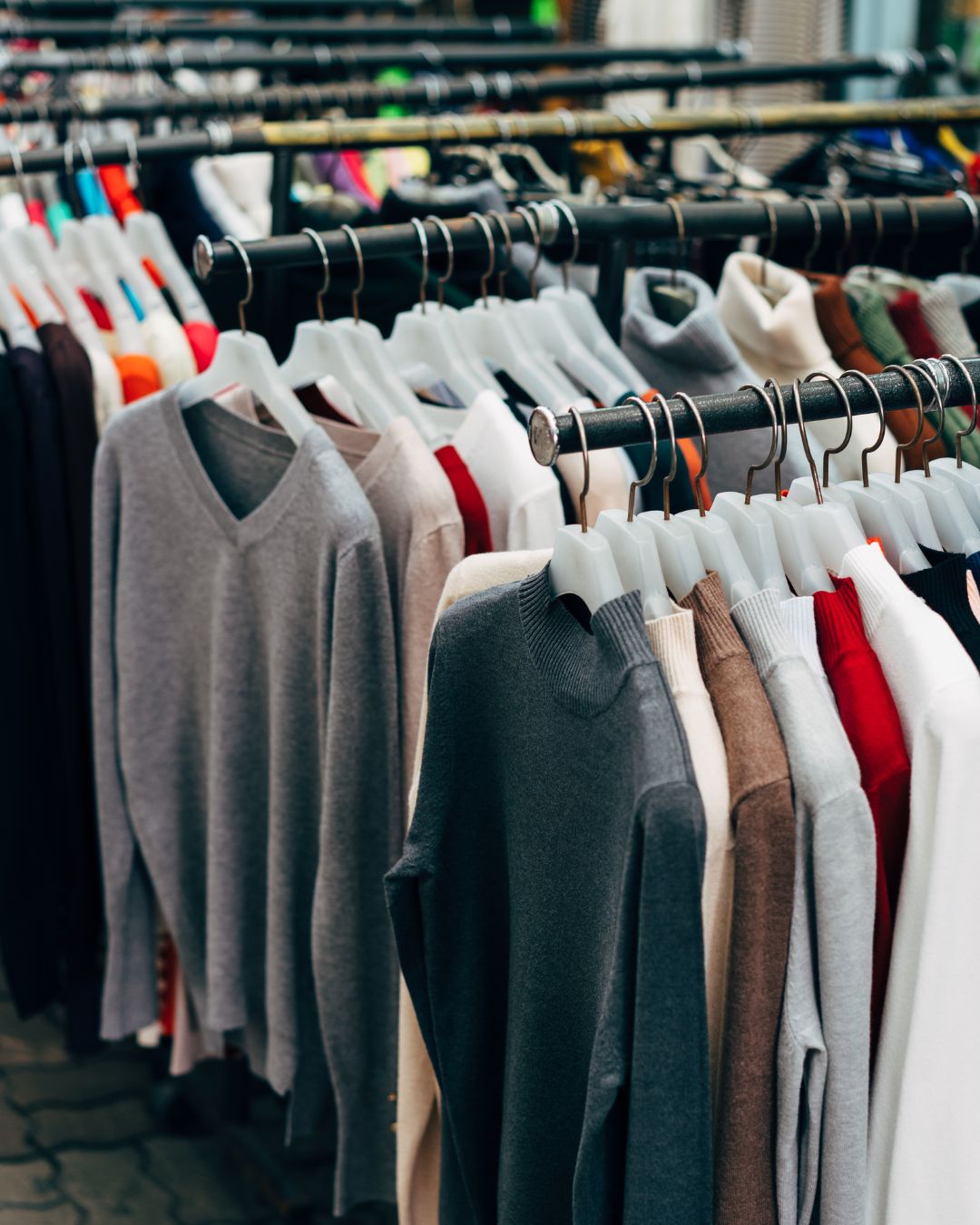
I’m also noticing people return to secondhand, thrifting, and vintage shopping. Not only for clothes but also for furniture and homewares. All of these actions help to keep more items out of landfills.
We’re also seeing brands and businesses be more transparent about giving back and supporting sustainable initiatives. They’re not just claiming to offset their emissions, but they’re actually doing things to make those goals achievable and sharing that progress with their audience. It’s transparency over progress, no matter the size.
Lastly, innovation in recycled waste and materials is really changing the way we view waste, too. Check out Going Green Media to see how businesses across the world are rethinking waste and materials.
3. On the flip side, what holiday eco-trends do people talk about but don’t actually do? Or help move the needle? Are there any you’d love to gently debunk?
Aimee: This might annoy people, but…returns. People think they can just buy something, and if it doesn’t fit or work, they can return it after the holidays. Depending on where they are returning the items from, they might as well end up in the trash because the package has been opened or used. So, it’s really, really important in my opinion to think before you shop.
Another is the aspect that living more sustainably is for crunchy, minimalist people, and really, that could not be further from the truth. Everyone can make better choices, no matter their approach.Lastly, people try to go all-in on ZERO waste when that shouldn’t be the goal; the goal should be less waste, because that’s so much more attainable.
4. For someone brand-new to sustainable living, what’s the easiest place to start during the holidays? What has the biggest impact with the least overwhelm?
Aimee: I would have to say switching to reusable materials when it comes to wrapping gifts. Gift wrapping paper is extremely wasteful because it’s usually coated in plastic and other harmful materials, and it all gets thrown away.
5. Holidays come with a lot of pressure—gifts, décor, travel, and hosting. Where do you see people unintentionally creating the most waste, and how can they shift that?
Aimee: I definitely see a lot of waste with decor. I see different trends (for example, Ralph Lauren Core this year) where people believe they need to go out and buy all-new decorations to be current, when in reality, they could use what they have and elevate it in a new way. Stores that carry trendy holiday decor know that it’s a short window for their products to sell, so they push the marketing hard to get consumers to have FOMO and to buy it. Then, another season comes around, the focus changes, and that kind of decor becomes obsolete the next year.
Read More: Tiny Habits, Big Difference: 5 Eco-Friendly Changes That Stick
6. Let’s talk gifting. What are your go-to low-waste or sustainable gift ideas that feel genuinely special? Any personal favorites or creative homemade ideas you love?
Aimee: Experiences. I believe gifting someone an experience is so much better than a gift that ends up collecting dust or one that doesn’t land in the way you intended. Doing something with a person you love is so much more meaningful, too. So, I always focus on gifting experiences.
7. What’s your philosophy on “underconsumption” and the push toward buying less during the holidays? Do you see this trend showing up in your community?
Aimee: I believe buying less doesn’t have to mean doing less. This season, I’m actually quite busy because I’ve gifted experiences to most of my loved ones.
Underconsumption is really just intentional consumption. It’s about choosing things that actually get used over things that get returned because you bought them on impulse.
People are gifting fewer items and focusing on quality over quantity. I’m hearing people say, “I really want to take so and so somewhere,” and that is the gift in itself. I’m seeing more places offering experiences for people to enjoy together, and it’s my favorite thing to see. The underconsumption trend isn’t about depriving you of things. It’s more about aligning yourself with what you actually care about—connection, coziness, shared meals, slowing down. And the funny part is, once you take the pressure off of buying all the things for everyone, the holidays feel so much lighter and less stressful.
8. Travel is a huge part of the season. Any advice for making holiday travel a little gentler on the planet and on ourselves?
Aimee: Yes! A few ways people can be more mindful when they travel include:
- Travel for longer periods of time, instead of just overnight trips, so you make the most of your destination, and the energy it took to get you there.
- Pack a carry-on rather than a checked bag (less weight and carbon emissions).
- Bring your own reusable water bottle. It seems obvious, but I still see so many people buying plastic water bottles at the airport. You waste not only plastic, but money, too, since they rarely get refilled.
9. We’d love to hear about a small sustainable habit you personally swear by during the holidays. Something simple you do every year that others could try.
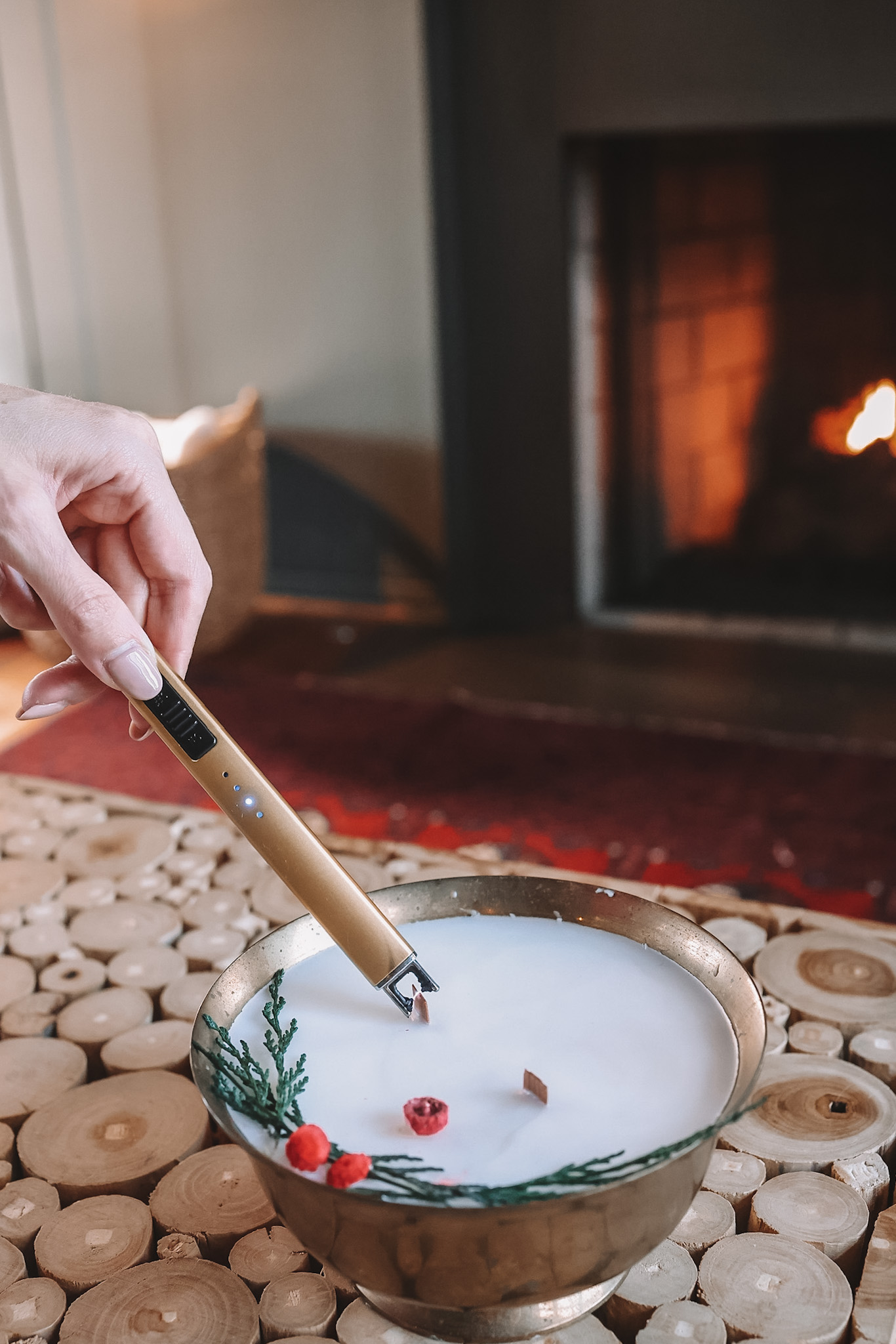
Aimee: I love lighting candles during the holidays. I always have my reusable lighter and refillable candles nearby. They’re not only less wasteful, but they give my space a cozy, joyful glow without having to worry about replacing matches, lighters, or candle vessels.
I support a local-to-me sustainable candle business that offers refills, and I can charge my lighter whenever I need to. It’s one of the best ways to reduce waste during the holidays!
I am also a HUGE fan of bringing my own leftover containers to parties and dinners. It encourages me to eat in more (save money from eating out), and supports less food waste. There is always too much food leftover (that’s a conversation for a different time), so if I’m encouraging people to take things with them, it works out better for everyone.
Read More: 8 Ways to Make the Holidays More Sustainable
10. Sustainability can sometimes feel serious or heavy. How do you keep it joyful, creative, and realistic, especially this time of year?
Aimee: I remind myself, and my community, that sustainability is a lifestyle. Especially during the holidays.
I like to keep these questions top of mind this time of year:
- Can I wrap gifts with leftover fabric? Or, gift experiences instead?
- Can I make a cute holiday outfit with clothes I already have, or borrow some from friends?
- If I’m hosting, can I do so in a way that feels special but not stressful?
The other big piece here is remaining realistic. December is not the month when everyone suddenly becomes zero-waste. It’s the opposite. It’s chaotic, it’s cozy, it’s cookie season, and a lot of events are happening. So I focus on the small wins: like using what I have, buying from local businesses, choosing reusable where I can, and letting go of the idea that it all needs to be perfect.
Bringing joy and fun into sustainability this time of year is what keeps people engaged! When it feels like permission rather than pressure, people actually want to stick with it. It becomes a positive lens, not “oh, the world is doomed,” which gets us nowhere.
So yes, sustainability can feel like a lot to take on. But in the day-to-day, especially this time of year? It can be playful, creative, and festive.
11. How do you balance wanting to be eco-friendly with wanting to celebrate fully…the cozy meals, pretty decorations, meaningful gifts? What does that look like in your home?
Aimee: I’m not perfect, and I don’t try to be. I find that you can still do a lot during the holidays and remain eco-friendly.
I like to thrift decorations, or if friends are getting rid of things, I ask if I can take them instead. I also go for more timeless colors and styles so that I’m not wasting decorations year after year.
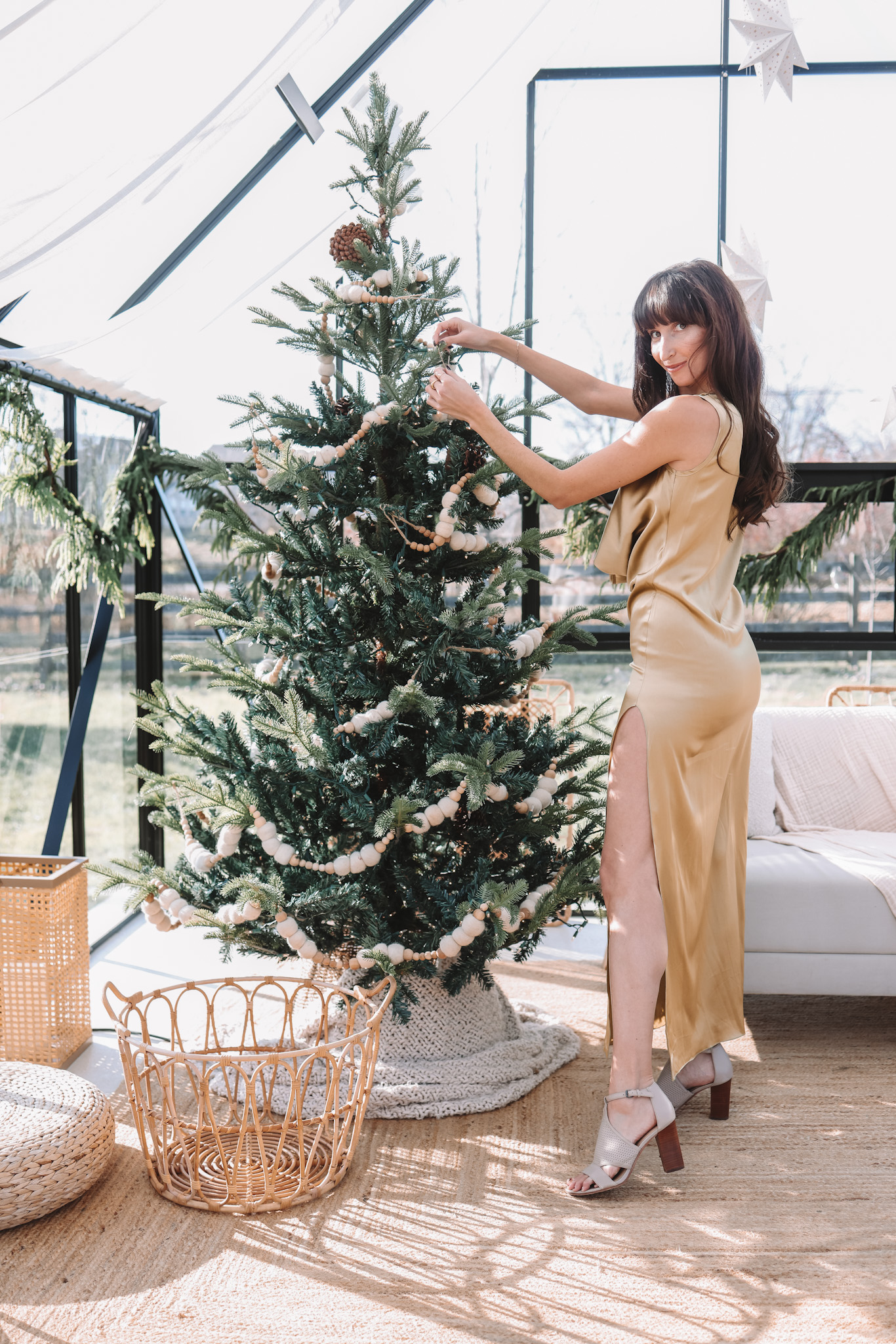
This is my first holiday in my new apartment, and I didn’t have a tree, so I invested in one I plan to keep for years, which is why I was okay with making that purchase.
Reusable candles are great (as I shared above), and doing experiences with friends are more important to me than gifting. I’m also not against shopping on Black Friday if it means supporting small businesses or brands committed to a positive environmental impact.
12. Are there any long-lasting or high-quality home items you consider worth investing in as part of a more sustainable lifestyle?
Aimee: Definitely. It’s so worth it to invest in better products for your home, like:
- Non-toxic cleaning supplies (I use Branch Basics)
- Capsule wardrobe pieces I can wear again and again
- Organic materials like cotton, linen, hemp, or Tencil (to name a few)
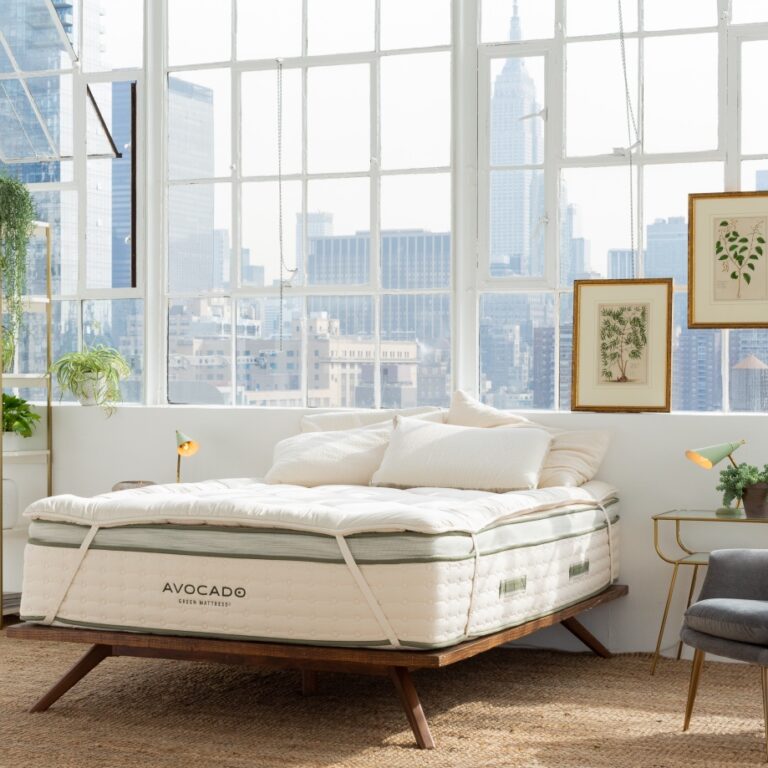
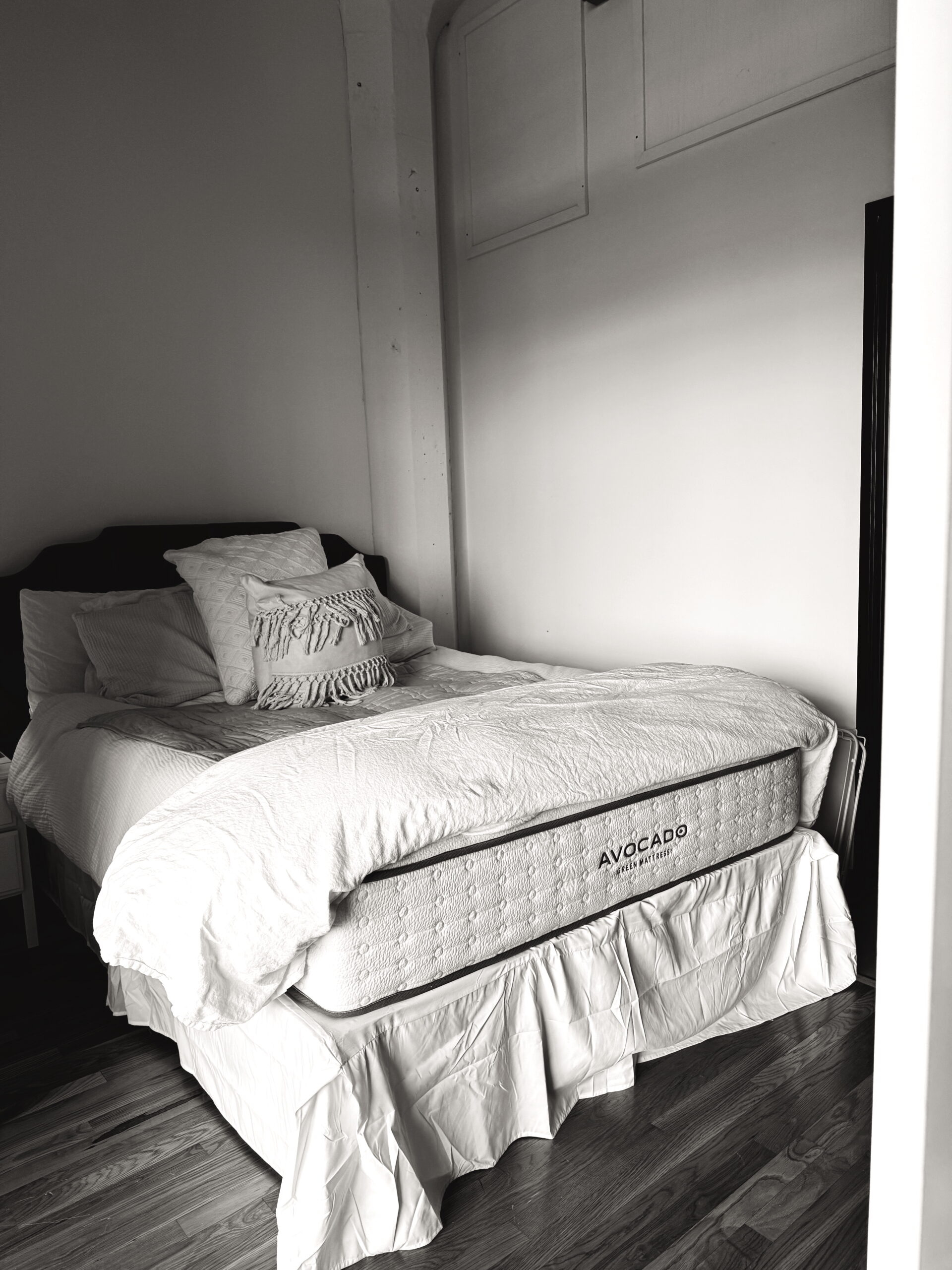
- And my Avocado mattress. I’ve had my mattress for 5 years, and it’s great. It’s so comfortable, and I love knowing I invested in high-quality materials that will last.
Those areas set the foundation, and they often ripple into your beauty products, food, etc.
13. What’s one mindset shift that could help people feel less pressure and more purpose this season? Something grounding or comforting you’d leave readers with.
Aimee: Becoming more sustainable doesn’t have to happen overnight or be in every area of your life this holiday season or beyond. It’s important to remember, baby steps lead to real change.
Progress over perfection, always.
A New Way to Do the Holidays (Without Losing the Magic)
The holidays have a way of reminding us what matters most, and as Aimee shows us, sustainability can fit right into that. A mindful season doesn’t have to be perfect, and it definitely doesn’t have to be minimalist. It can look like thrifted décor, a thoughtfully chosen experience, a refillable candle glowing on the counter, or simply rethinking one habit that makes your home or your gifting feel more aligned.
At its core, sustainable living isn’t about restriction. It’s about reconnecting…to joy, to community, to the things that last.
And if you carry even one small shift forward into the new year, consider it a celebration in itself.

Read more: Cozy Competition: The Trendiest Holiday Games Right Now
Have feedback on our story? Email [email protected] to let us know what you think!
Shop Pillows
The Essential Organic Pillow Collection
Gentle, breathable, non-toxic support.